Retail ecommerce SEO strategies that increase online store traffic are essential for businesses competing in today’s digital retail environment. Online shopping continues growing rapidly as consumers prefer the convenience of browsing and purchasing products from home. However, this growth has also created intense competition among ecommerce retailers. Therefore, companies must develop strong search visibility in order to attract potential customers researching products online. When ecommerce websites align their content with customer search behavior, they gain consistent organic traffic and improved product discovery.
Many retailers invest heavily in advertising campaigns to drive visitors to their websites. While paid advertising can generate short-term traffic, long-term growth requires sustainable strategies that continue producing results over time. Consequently, search optimization has become one of the most valuable marketing investments for ecommerce companies. Illumination Consulting helps retail brands strengthen online visibility through search optimization, ecommerce strategy, and digital marketing systems designed to increase website traffic and online sales.
Search optimization connects customer research behavior with product availability. When retailers appear in search results during the early stages of product discovery, they gain valuable opportunities to convert visitors into customers.
Understand How Online Shoppers Search for Products
Online shoppers rarely begin their purchasing journey by searching directly for specific product names. Instead, many customers research product categories, compare options, and explore solutions before making decisions. Therefore, ecommerce SEO strategies must align with these research behaviors.
Consumers often search for answers to questions about product features, benefits, or usage. Consequently, retailers that provide helpful information attract visitors earlier in the buying process.
Common search behaviors often include:
-
researching product categories
-
comparing product features
-
looking for buying guides
-
searching for solutions to specific needs
By targeting these search patterns, ecommerce websites attract highly engaged visitors.
Optimize Category Pages for Search
Category pages represent some of the most valuable assets within ecommerce SEO strategies. These pages group related products together and help customers navigate product catalogs efficiently. Therefore, optimizing category pages improves both user experience and search visibility.
Search engines often view category pages as authoritative resources when they provide clear product groupings and helpful descriptions. Consequently, optimized category pages can rank well for broader product-related searches.
Effective category page optimization includes:
-
clear product category descriptions
-
keyword-focused headings
-
organized product listings
-
internal links to related categories
These elements help both search engines and visitors understand the product offerings.
Improve Product Page Optimization
Product pages play a crucial role in ecommerce SEO because they represent the final stage of the purchasing journey. Customers visiting these pages often want detailed information before making decisions. Therefore, well-optimized product pages increase both search visibility and conversion rates.
Product pages should include clear descriptions, high-quality images, and relevant product information. When pages provide detailed explanations, customers feel more confident completing purchases.
Important product page elements include:
-
descriptive product titles
-
clear explanations of benefits
-
detailed product specifications
-
high-quality product images
These elements help customers evaluate products effectively.
Publish Ecommerce Educational Content
Educational content plays an important role in attracting organic search traffic. Many online shoppers research product categories before selecting specific items. Therefore, blog articles and buying guides help ecommerce websites capture informational searches.
Content marketing allows retailers to answer common customer questions while introducing relevant products. Consequently, educational content becomes an important driver of ecommerce traffic.
Examples of helpful educational content include:
-
product comparison guides
-
tutorials explaining product usage
-
buying guides for beginners
-
industry trend discussions
These resources provide value to customers while supporting search optimization.
Target Long-Tail Product Searches
Long-tail search queries represent highly specific searches that often indicate strong purchasing intent. Although these searches may have lower search volumes individually, they frequently lead to higher conversion rates. Therefore, targeting long-tail keywords helps ecommerce retailers attract motivated buyers.
Blog content and detailed product descriptions often capture long-tail searches effectively. Consequently, websites gain additional opportunities to appear in search results.
Examples of long-tail product searches include:
-
best products for specific needs
-
comparisons between similar products
-
detailed feature-based searches
-
niche product category searches
These queries attract customers close to purchasing decisions.
Improve Internal Linking Structure
Internal linking plays a significant role in ecommerce SEO. When websites connect related pages together, search engines understand how products and content relate to each other. Therefore, strong internal linking improves overall website visibility.
Internal links also guide visitors through product catalogs and educational resources. Consequently, visitors spend more time exploring the website.
Effective internal linking strategies include:
-
linking blog articles to product pages
-
connecting related product categories
-
guiding visitors to recommended items
-
linking comparison guides to product listings
These connections improve both user experience and search performance.
Encourage Customer Reviews
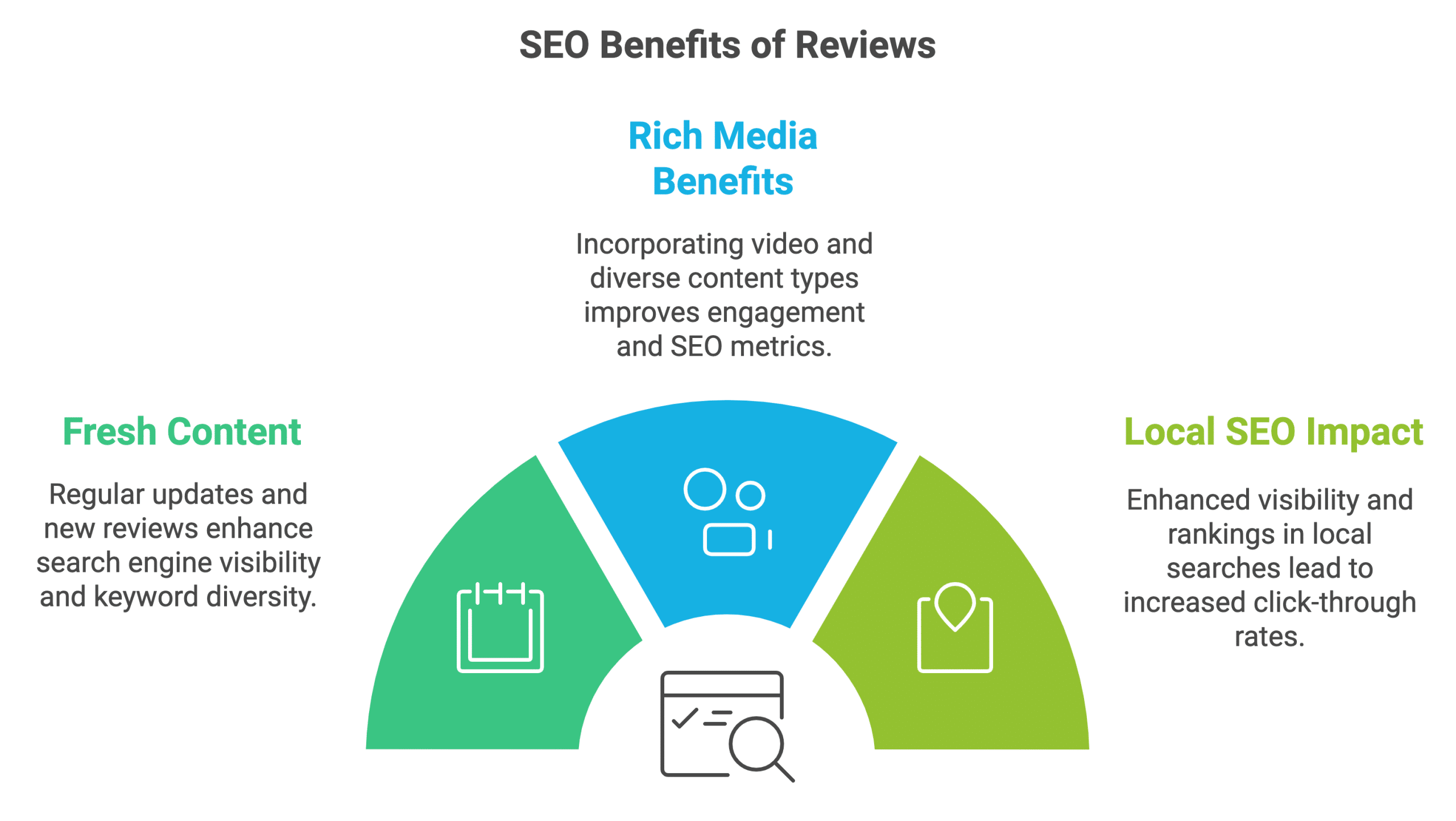
Customer reviews provide valuable insights for shoppers evaluating products. Many customers rely on reviews when deciding which products to purchase. Therefore, encouraging customer feedback helps build trust.
Reviews also add user-generated content to product pages, which search engines recognize as valuable information. Consequently, active review sections support search optimization.
Retailers can encourage reviews by:
-
sending follow-up emails after purchases
-
offering incentives for feedback
-
responding to customer comments
These actions strengthen credibility and engagement.
Optimize Website Performance
Website performance significantly influences both search rankings and user experience. Slow-loading websites often cause visitors to leave before exploring products. Therefore, optimizing website speed helps retain potential customers.
Search engines also prioritize websites that load quickly and function smoothly across devices. Consequently, performance optimization improves overall visibility.
Performance improvements often involve:
-
compressing large images
-
optimizing code and scripts
-
improving hosting infrastructure
-
implementing responsive design
These technical improvements support better website functionality.
Monitor Ecommerce SEO Performance
SEO strategies require continuous monitoring to identify opportunities for improvement. Ecommerce businesses should track performance metrics regularly to understand which strategies generate the most traffic and revenue.
Analytics tools provide insights into how visitors interact with ecommerce websites. Consequently, businesses can refine their strategies based on real data.
Important ecommerce SEO metrics include:
-
organic search traffic
-
product page engagement
-
keyword ranking improvements
-
ecommerce conversion rates
These insights guide long-term optimization.
Long-Term Benefits of Retail Ecommerce SEO
Retail ecommerce SEO strategies that increase online store traffic create lasting marketing advantages. While advertising campaigns generate temporary visibility, search optimization builds sustainable traffic sources that grow over time. Therefore, ecommerce SEO represents a valuable long-term investment.
Long-term benefits include:
-
consistent organic traffic
-
improved product discovery
-
stronger brand credibility
-
increased ecommerce revenue
These advantages support scalable online retail growth.
Key Takeaways
Retail ecommerce SEO strategies that increase online store traffic help businesses attract customers researching products online. By optimizing category pages, publishing educational content, and improving website structure, retailers strengthen digital visibility.
Successful strategies typically include:
-
category and product page optimization
-
educational content marketing
-
internal linking improvements
-
ongoing performance analysis
Together, these efforts help ecommerce retailers compete effectively in digital markets.
Q&A
| Question | Answer |
|---|---|
| Why is SEO important for ecommerce retailers? | SEO helps online stores appear in search results when customers research products online. |
| Do category pages matter for ecommerce SEO? | Yes. Category pages often rank for broader product searches and guide customers to product listings. |
| How long does ecommerce SEO take to produce results? | Most websites begin seeing improvements after several months of consistent optimization. |
How Illumination Consulting Helps Retail Brands Grow
Illumination Consulting helps ecommerce retailers improve digital visibility through search optimization, ecommerce website strategy, and digital marketing systems designed to increase online store traffic and product sales.