Retail ecommerce website design strategies that increase conversions and sales are essential for brands competing in today’s digital marketplace. Many retail businesses invest heavily in driving traffic through advertising and social media. However, without a conversion-focused website, that traffic often fails to generate meaningful revenue. Therefore, optimizing website design is one of the most effective ways to increase sales without increasing marketing spend. When design, user experience, and messaging align, ecommerce businesses can significantly improve performance. Many retail websites prioritize aesthetics over functionality. As a result, visitors become confused, frustrated, or disengaged. Consequently, conversion rates remain low despite strong traffic. Illumination Consulting helps retail brands build high-converting ecommerce websites through strategic design, user experience optimization, and performance-driven systems designed to increase sales and revenue.
Create a Clear and Compelling Homepage Experience
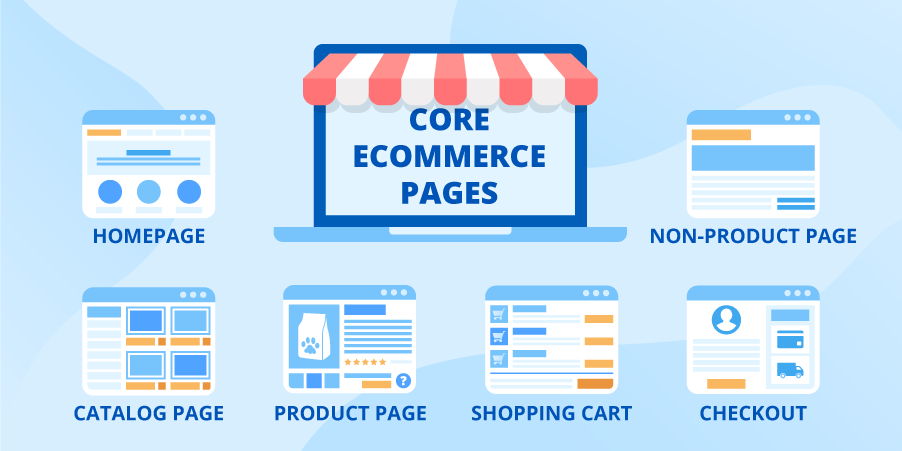
The homepage is often the first interaction a visitor has with a brand. It must quickly communicate value and guide users toward products. Therefore, a clear and structured homepage improves engagement and navigation. When visitors immediately understand what the brand offers, they are more likely to continue browsing. As a result, bounce rates decrease and conversions increase. A strong homepage sets the tone for the entire shopping experience. Consequently, clarity and simplicity are essential.
Key homepage elements include:
- clear value proposition and messaging
- featured products or collections
- strong visual hierarchy
- easy navigation to key categories
These elements create a strong first impression and encourage exploration.
Simplify Navigation and Product Discovery
Navigation plays a critical role in ecommerce success. If users cannot find products easily, they leave the site. Therefore, simplifying navigation improves the shopping experience. When categories are organized logically, customers can browse more efficiently. As a result, they are more likely to find products they want to purchase. Clear navigation also reduces friction in the buying process. Consequently, conversion rates improve.
Effective navigation strategies include:
- clear product categories and subcategories
- intuitive menu structure
- search functionality with filters
- internal linking between related products
These improvements help users find products quickly.
Optimize Product Pages for Conversions
Product pages are where purchasing decisions are made. Many ecommerce sites lose sales because their product pages lack clarity or persuasion. Therefore, optimizing product pages is essential for increasing conversions. When pages provide clear information and compelling visuals, customers feel more confident purchasing. As a result, sales increase significantly. Product pages should answer all key questions and reduce uncertainty. Consequently, they become powerful conversion tools.
Important product page elements include:
- detailed product descriptions
- high-quality images and videos
- clear pricing and availability
- strong calls to action
These features improve customer confidence and conversions.
Use High-Quality Visual Content
Visual content plays a major role in ecommerce decision-making. Customers cannot physically interact with products, so images must provide clarity and detail. Therefore, high-quality visuals improve engagement and trust. When customers can clearly see products, they feel more comfortable purchasing. As a result, conversion rates increase. Visual consistency also strengthens brand perception. Consequently, design quality directly impacts revenue.
Effective visual strategies include:
- multiple product images
- lifestyle photography
- close-up details
- consistent branding
These visuals enhance the shopping experience.
Improve Website Speed and Performance
Website speed has a direct impact on user experience and conversions. Slow-loading pages frustrate users and lead to higher bounce rates. Therefore, optimizing performance is critical for ecommerce success. When pages load quickly, customers stay longer and explore more products. As a result, engagement increases and more sales occur. Performance also influences search rankings. Consequently, speed improvements benefit both SEO and conversions.
Key performance improvements include:
- compressing images
- reducing unnecessary scripts
- using reliable hosting
- optimizing mobile performance
These changes improve overall usability.
Build Trust Through Social Proof
Trust is essential in ecommerce transactions. Customers want reassurance before making purchases. Therefore, incorporating social proof builds confidence and credibility. When customers see reviews and testimonials, they feel more secure in their decisions. As a result, conversion rates increase. Trust signals also reduce hesitation during checkout. Consequently, social proof becomes a key sales driver.
Effective trust-building elements include:
- customer reviews and ratings
- testimonials and feedback
- user-generated content
- trust badges and certifications
These elements strengthen credibility.
Streamline the Checkout Process
The checkout process is one of the most critical stages in ecommerce. Many businesses lose sales due to complicated or lengthy checkout systems. Therefore, simplifying checkout improves conversions. When the process is quick and easy, customers are more likely to complete purchases. As a result, cart abandonment decreases. A smooth checkout experience directly increases revenue. Consequently, optimization is essential.
Checkout improvements include:
- minimizing form fields
- offering guest checkout
- providing multiple payment options
- displaying clear pricing
These features reduce friction and increase completion rates.
Use Clear Calls to Action
Calls to action guide users through the buying process. Without clear direction, customers may hesitate or leave the site. Therefore, strong calls to action improve engagement and conversions. When messaging is direct and compelling, users are more likely to take action. As a result, sales increase. Consistent CTAs also improve usability. Consequently, customers move smoothly through the funnel.
Effective CTA strategies include:
- clear “add to cart” buttons
- visible purchase prompts
- urgency-driven messaging
- consistent placement across pages
These elements encourage action.
Leverage Data to Improve Performance
Data-driven optimization is essential for ecommerce growth. Businesses must analyze user behavior to identify opportunities. Therefore, tracking performance metrics helps refine strategies. When data is used effectively, conversion rates improve over time. As a result, businesses achieve better results without increasing traffic. Continuous improvement ensures long-term success. Consequently, analytics play a central role.
Important metrics include:
- conversion rates
- cart abandonment rates
- user behavior
- average order value
These insights guide optimization efforts.
Build Scalable Ecommerce Systems
Retail ecommerce website design strategies that increase conversions and sales must support scalability. As businesses grow, systems must handle increased demand. Therefore, building scalable processes ensures long-term success. When systems are optimized, businesses can expand without losing efficiency. As a result, growth becomes more manageable. Scalable systems also improve consistency. Consequently, they support sustained revenue growth.
Scalable system components include:
- standardized workflows
- automation tools
- performance tracking systems
- continuous optimization processes
These systems support expansion.
Long-Term Benefits of Conversion-Focused Design
Retail ecommerce website design strategies that increase conversions and sales provide long-term advantages. Instead of relying solely on traffic growth, businesses improve the value of existing visitors. Therefore, conversion-focused design increases profitability. When websites are optimized, revenue grows more efficiently. As a result, businesses achieve stronger returns on marketing investment. Long-term systems also improve brand perception. Consequently, design becomes a key growth driver.
Long-term benefits include:
- higher conversion rates
- increased customer trust
- improved marketing efficiency
- scalable revenue growth
These advantages support sustained success.
Key Takeaways
Retail ecommerce website design strategies that increase conversions and sales focus on improving user experience, trust, and purchase flow. Businesses that implement structured design strategies achieve better results.
Core takeaways include:
- simplify navigation and discovery
- optimize product pages
- improve website performance
- streamline checkout processes
These elements create a high-performing ecommerce system.
Q&A
| Question | Answer |
|---|---|
| Why is website design important for ecommerce? | It directly impacts user experience and conversion rates. |
| What is the most important design factor? | Clear navigation and optimized product pages are critical. |
| Can design improvements increase sales? | Yes, better design significantly improves conversion rates. |
How Illumination Consulting Helps Retail Brands Grow
Illumination Consulting helps retail brands increase conversions through ecommerce website design, SEO, and digital marketing systems designed to improve performance and drive long-term sales growth.