Website design strategies that help small businesses compete online have become increasingly important in a digital-first economy. Many small businesses operate in competitive markets where customers often compare several companies before making decisions. Therefore, a professional website plays a critical role in building credibility and attracting new customers. When website design combines strong visual presentation, clear messaging, and optimized user experience, businesses gain a significant competitive advantage.
Although some businesses rely primarily on social media platforms or third-party marketplaces, a well-designed website remains the central hub of digital marketing. Customers frequently visit company websites to evaluate professionalism, services, and trustworthiness. Consequently, businesses that maintain modern and informative websites attract more inquiries and sales opportunities. Illumination Consulting helps organizations strengthen their digital presence through website development, ecommerce platforms, and search visibility strategies that support long-term growth.
Successful website design requires more than attractive visuals. Businesses must also ensure that their websites guide visitors toward meaningful actions such as contacting the company or purchasing products.
Establish Immediate Credibility
Visitors typically form first impressions of websites within seconds. Therefore, professional visual presentation plays a major role in influencing customer perception. Clean layouts, modern typography, and cohesive branding signal professionalism and reliability.
Small businesses often compete against larger companies with established brand recognition. Consequently, a high-quality website helps level the playing field by presenting the business as credible and trustworthy.
Important credibility elements include:
-
consistent branding and colors
-
high-quality photography
-
professional typography
-
well-organized page layouts
These elements help visitors feel confident exploring the website further.
Communicate Value Clearly
Customers visiting a website want to understand quickly what a business offers and why it stands out from competitors. Therefore, clear messaging should appear prominently on the homepage and service pages.
Businesses should highlight their core services, unique advantages, and target customer solutions. When messaging remains simple and direct, visitors can immediately determine whether the company meets their needs.
Effective value communication often includes:
-
concise service descriptions
-
benefit-focused messaging
-
clear headlines and subheadings
-
explanations of how services solve problems
Clear messaging encourages visitors to continue exploring the website.
Optimize Navigation for User Experience
Website navigation determines how easily visitors can find the information they need. Therefore, intuitive navigation improves engagement and reduces frustration. Visitors should quickly locate service pages, contact information, and important resources.
Simple navigation menus guide users through the website logically. Additionally, well-organized content categories allow visitors to move between pages smoothly. Consequently, improved navigation increases the likelihood that visitors remain on the website longer.
Effective navigation features include:
-
clear top navigation menus
-
logical page hierarchies
-
visible contact links
-
search functionality for larger websites
These improvements enhance overall usability.
Design for Mobile Users
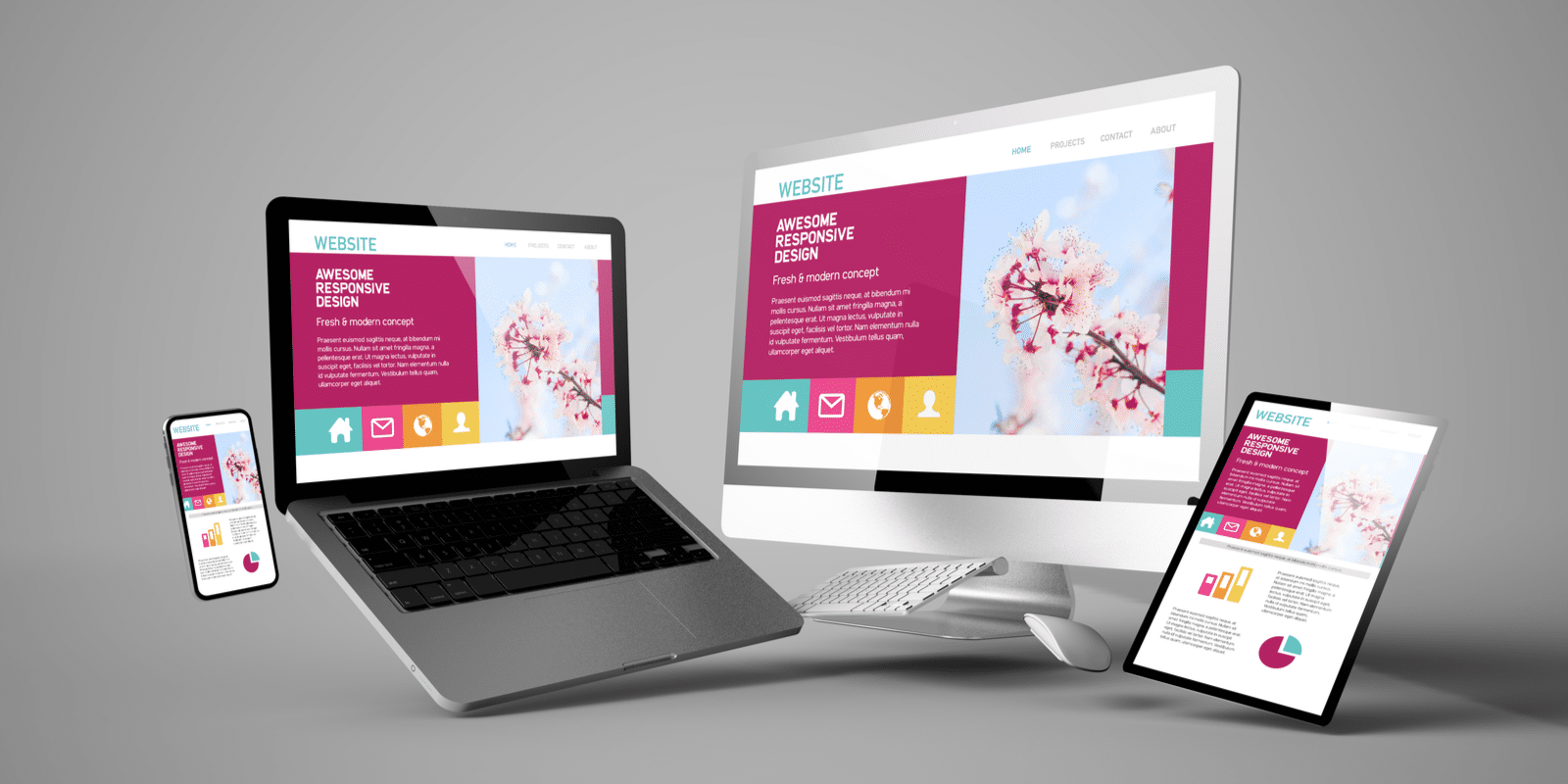
Mobile browsing now represents a large portion of internet activity. Many potential customers explore websites using smartphones or tablets. Therefore, responsive design ensures that websites function properly across all devices.
Mobile-friendly websites adjust layout and navigation automatically to fit smaller screens. Visitors should easily read text, view images, and complete forms without difficulty. Consequently, responsive design improves engagement and customer satisfaction.
Mobile optimization typically includes:
-
responsive page layouts
-
simplified navigation menus
-
touch-friendly buttons
-
fast-loading mobile pages
These elements support modern browsing habits.
Improve Website Speed
Page loading speed strongly influences user behavior. Visitors often leave websites that load slowly or fail to display properly. Therefore, improving website performance plays an important role in retaining visitors.
Search engines also evaluate page speed when determining rankings. Consequently, faster websites benefit both search visibility and user experience.
Performance improvements may involve:
-
compressing large images
-
optimizing website code
-
reducing unnecessary scripts
-
using reliable hosting infrastructure
These improvements enhance both usability and search performance.
Guide Visitors Toward Action
Effective websites guide visitors toward specific actions such as contacting the business, requesting quotes, or making purchases. Therefore, clear calls to action should appear throughout the website.
Buttons and links that encourage engagement help visitors take the next step in their decision process. When websites provide clear guidance, conversion rates improve significantly.
Examples of effective calls to action include:
-
request a consultation
-
contact our team
-
explore our services
-
schedule an appointment
Strategic placement of these prompts increases engagement.
Showcase Customer Testimonials
Customer testimonials play an important role in building trust. Potential clients often want reassurance that a business has delivered positive results for others. Therefore, displaying testimonials prominently improves credibility.
Testimonials may appear on homepage sections, service pages, or dedicated review pages. Including detailed feedback or case examples strengthens their impact. Consequently, visitors feel more confident selecting the business.
Common testimonial formats include:
-
written customer reviews
-
case study summaries
-
before-and-after project examples
-
client success stories
These elements reinforce the company’s reputation.
Integrate Educational Content
Educational content helps businesses demonstrate expertise while improving search visibility. Blog articles, guides, and informational resources attract visitors searching for solutions online. Therefore, websites that include helpful content often rank higher in search engines.
Content marketing also allows businesses to answer common questions from customers. When visitors find valuable information, they are more likely to trust the company. Consequently, content marketing strengthens both SEO performance and brand authority.
Common content topics may include:
-
industry insights
-
problem-solving guides
-
service explanations
-
frequently asked questions
These resources support customer education.
Maintain Consistent Branding
Brand consistency ensures that businesses present a unified identity across all digital platforms. Website design should align with branding used in marketing materials, social media, and packaging.
Consistent branding helps customers recognize the company and associate it with quality. Additionally, cohesive branding strengthens professionalism and credibility. Consequently, businesses that maintain consistent visual identities appear more established.
Branding consistency typically involves:
-
consistent logo usage
-
unified color palettes
-
matching typography
-
cohesive visual styles
These elements reinforce brand recognition.
Long-Term Benefits of Strategic Website Design
Businesses that invest in professional website design experience long-term advantages in digital marketing. Rather than relying solely on external platforms, they maintain full control over their online presence.
Strategic website design supports several important outcomes:
-
increased customer inquiries
-
stronger online credibility
-
improved search visibility
-
higher conversion rates
Over time, these benefits contribute to sustainable business growth.
Key Takeaways
Website design strategies that help small businesses compete online focus on building credibility, improving user experience, and guiding visitors toward meaningful actions.
Successful websites typically include:
-
professional visual presentation
-
clear messaging and navigation
-
mobile-friendly design
-
fast page loading speeds
Together, these features create powerful digital marketing foundations.
Q&A
| Question | Answer |
|---|---|
| Why is website design important for small businesses? | A professional website builds credibility and helps attract potential customers searching online. |
| Can a website improve marketing results? | Yes. Well-designed websites convert visitors into inquiries and support search visibility. |
| How often should businesses update their websites? | Websites should be updated regularly to improve performance, security, and content relevance. |
How Illumination Consulting Helps Businesses Build Strong Websites
Illumination Consulting helps small businesses develop professional websites that support long-term digital marketing success. By combining modern website development with search optimization and marketing strategy, businesses can create online platforms that attract visitors, build trust, and convert prospects into customers.