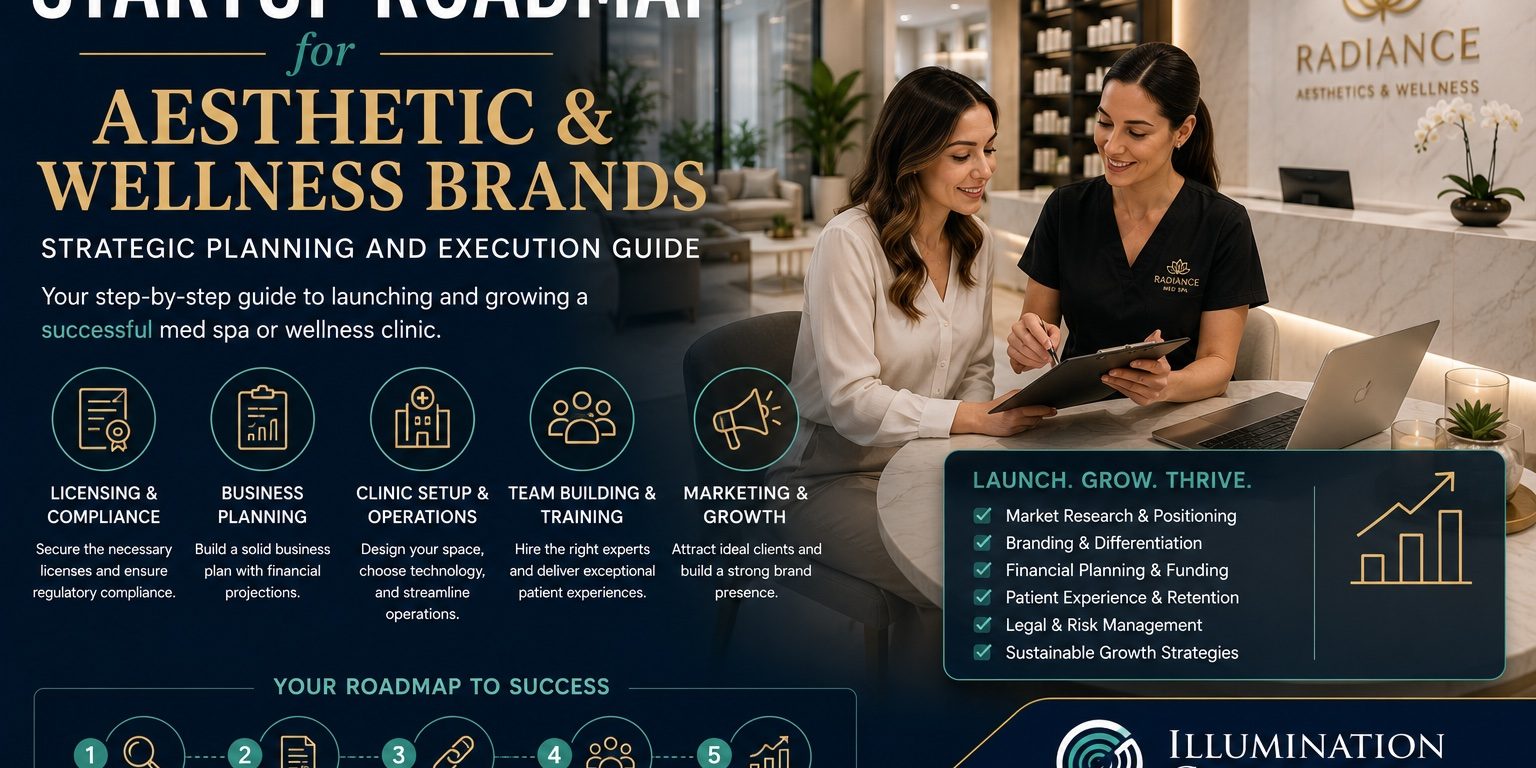
Starting an aesthetic and wellness brand, particularly a medical spa, requires thorough planning and detailed understanding of various components involved in business success. This guide offers a comprehensive roadmap for aspiring med spa entrepreneurs, covering the essential elements of business planning, regulatory compliance, and technology integration. Entrepreneurs often grapple with aligning their business models with market demands and regulatory expectations, leading to costly missteps. This article will provide insights into developing a strategic business plan, navigating licensing and regulatory requirements, selecting treatment technologies, crafting effective marketing strategies, and establishing operational practices that promote longevity and success. Each section delves into crucial aspects, ensuring a holistic approach to launching a thriving med spa.
How to Develop a Strategic Med Spa Business Plan for Sustainable Growth?
A strategic business plan is foundational for the success of a med spa, guiding the execution of business objectives and resource management. This plan serves as a roadmap, facilitating the alignment of financial goals with wellness trends and market demands. A comprehensive business plan not only outlines the operational and financial goals but also provides insights into how to remain agile in a competitive landscape.
Which Core Components Should Med Spa Business Plans Include?
Essential components of a med spa business plan involve several key sections that address market analysis, operational strategies, and financial projections. The following elements are critical:
- Market Analysis: Understanding target demographics, competition, and current industry trends to identify growth opportunities.
- Financial Planning: Develop projections that include startup costs, revenue streams, and break-even analysis to ensure fiscal responsibility.
- Operational Strategies: Outline procedures for service delivery, staffing, and customer satisfaction management to maintain a high-quality patient experience.
Effectively incorporating these elements prepares entrepreneurs to make informed decisions and adapt to changing market conditions.
How to Align Financial Forecasting with Wellness Industry Trends?
Financial forecasting is crucial in the wellness industry to ensure sustainability and growth. By adopting tools like SWOT analysis and break-even calculations, med spas can predict financial outcomes based on current trends, consumer behavior, and healthcare advancements. Regularly updating financial forecasts according to market changes allows med spa owners to adapt their strategies and maximize profitability.
What Are the Essential Licensing and Regulatory Requirements for Aesthetic Clinics?
Navigating the landscape of licensing and regulatory compliance is a critical aspect of launching a medical spa. Failure to adhere to these standards can result in penalties and jeopardize business viability.
Which Local and State Med Spa Licensing Authorities Govern Startup Compliance?

Each region has specific authorities that regulate med spa operations. For compliance, entrepreneurs must engage with the following entities:
- State Medical Boards: Oversee regulations concerning health care practices.
- Department of Health: Ensures that health facilities maintain industry standards.
Understanding these authorities and their requirements is vital for maintaining compliance and promoting a culture of safety and efficacy within the clinic.
How to Create a Licensing and Compliance Checklist for Wellness Clinic Startups?
Creating a licensing checklist streamlines the process of acquiring necessary certifications and permits. A comprehensive checklist should include:
- Business Licenses: Register the business with appropriate local and state agencies.
- Facility Permits: Ensure the physical location meets health and safety codes.
- Medical Licenses for Practitioners: Verify that all medical staff hold valid and up-to-date licenses.
Implementing this checklist not only ensures regulatory compliance but also promotes trust among clients.
Which Cutting-Edge Treatment Technologies Should Wellness Clinics Integrate?
Integrating advanced treatment technologies is essential for maintaining competitive advantages in the aesthetic sector. These technologies enhance treatment outcomes, ensuring customer satisfaction and repeat business.
What Are the Most Effective Aesthetic Treatments: Laser Therapy, Injectables, and Facials?
Several aesthetic treatments stand out due to their effectiveness and popularity:
- Laser Therapy: Provides skin resurfacing, hair removal, and acne treatment through advanced laser systems.
- Injectables: Include options like Botox and dermal fillers for visible anti-aging improvements.
- Facials: Treat various skin concerns, utilizing innovative techniques and products for rejuvenation.
By offering these treatments, clinics can cater to a broad clientele while ensuring high satisfaction levels.
How to Select and Implement Advanced Equipment for Clinic Efficiency?
Choosing the right equipment for aesthetic treatments ensures operational efficiency and client safety. Consider the following factors:
- Quality and Certification: Ensure all equipment meets industry standards and has necessary certifications.
- Operator Training: Adequately train staff on equipment operation to maximize potential and minimize risks.
- Maintenance and Support: Implement a thorough maintenance schedule for equipment durability and reliability.
New technologies can substantially elevate treatment offerings, fostering an environment of innovation.
How to Design a Results-Driven Marketing Strategy for Med Spa Customer Acquisition?
Marketing strategies play a critical role in attracting and retaining clients for med spas. Developing a robust marketing plan involves understanding target demographics and leveraging various channels effectively.
Which Digital Marketing Channels Are Most Effective for Wellness Brands?

Different digital marketing channels can effectively enhance the visibility of wellness brands:
- Social Media Marketing: Engaging potential clients via platforms like Instagram and Facebook to showcase services and client testimonials.
- Content Marketing: Creating informative blog posts that provide insights into treatments and wellness trends to establish authority and attract organic traffic.
- Email Marketing: Utilizing newsletters to keep clients informed about promotions, new services, and health tips.
Emphasizing a mix of these strategies helps clinics reach a wider audience and maintain engagement.
How to Utilize Semantically Structured Content and FAQs for Enhanced Online Presence?
A well-structured website enhances the user experience and supports SEO efforts. Incorporating semantically rich content within website pages and effectively answered FAQs can significantly improve search rankings.
- FAQs: Address common inquiries related to services, treatment protocols, and client concerns, which can enhance trust and authority.
- Semantic Markup: Implement structured data to help search engines better understand content relevance.
These practices lead to improved online visibility and can enhance the clinic’s reputation as a trusted health provider.
What Operational Best Practices Ensure the Successful Launch and Management of Aesthetic Startups?
Operational effectiveness is paramount in ensuring that med spas not only launch successfully but continue to thrive in competitive markets. Employing best practices allows for streamlined operations and client satisfaction.
How to Develop a Comprehensive Staff Hiring and Training Program for Wellness Clinics?
Recruiting qualified staff and providing comprehensive training significantly impacts the success of med spas. Essential elements of an effective program include:
- Competency-Based Evaluations: Assessing applicants based on both technical skills and customer service abilities.
- Continuous Education: Offering ongoing training programs to keep staff updated on best practices and technological advancements.
- Performance Management: Establishing measures that promote accountability and continual improvement.
These practices ensure that teams are well-prepared to provide exceptional service.
Which Financial and KPI Monitoring Systems Optimize Med Spa Performance?
Utilizing effective financial monitoring systems and KPIs allows med spas to assess their performance accurately over time. Key performance indicators such as patient retention rates, revenue per treatment, and operational costs should be monitored regularly.
- Financial Software: Adopting reliable financial management software that integrates billing and performance tracking can streamline operations and improve decision-making.
- Regular Performance Reviews: Scheduling assessments helps in identifying strengths and areas for improvement.
By implementing these systems, med spas can enhance their operational strategies and drive long-term success.