The beauty and skincare industry thrives on visual appeal, trust, and connection. In today’s digital-first world, a brand’s website functions as the heart of its business. Whether selling skincare products, beauty tools, or spa services, design plays a critical role in attracting visitors and converting them into loyal customers. A skincare website must balance aesthetics, performance, and storytelling to stand out in a competitive market. Therefore, understanding the best practices for skincare website design and beauty online stores is essential for building credibility, increasing conversions, and driving long-term growth. Find out here about the best practices for skin care website design and beauty online stores by industry experts. Get assistance here through retail website design services or skin care marketing.
Understanding What Makes Beauty Websites Successful
A successful skincare website goes beyond displaying products. It creates a digital experience that mirrors the feeling of walking into a high-end spa or beauty boutique. Design, layout, and content must reflect the brand’s values and connect emotionally with customers. Consumers today expect ease, education, and personalization. Therefore, every visual element, color choice, and message must align with the brand’s personality while guiding users naturally toward purchase decisions.
The Connection between Design and Consumer Trust
Beauty products are intimate purchases that rely on trust. Customers want to feel confident that they are buying safe, high-quality, and effective products. A polished, well-organized website communicates professionalism and reliability. Moreover, clear product details, customer reviews, and transparent brand information establish credibility. Therefore, great design goes hand in hand with trust-building.
Core Best Practices for Skincare Website Design
Designing a skincare or beauty e-commerce website requires blending creativity with strategy. The website must look beautiful, load quickly, and perform flawlessly on all devices. The following best practices help create digital storefronts that attract attention and drive sales.
1. Build a Clean, Modern, and Intuitive Layout
A minimalist layout ensures clarity and enhances navigation. Skincare customers often compare ingredients, benefits, and results, so information must be easy to find. Therefore, prioritize white space, consistent branding, and logical organization. Each page should flow smoothly toward the shopping cart without distraction. Moreover, avoid clutter and focus on a balanced mix of text and imagery.
2. Showcase Products with High-Quality Imagery and Video
Visuals dominate the beauty industry. Customers want to see textures, packaging, and real-life results. Therefore, invest in professional photography and short product videos that demonstrate application or before-and-after transformations. High-resolution imagery builds confidence, while consistent backgrounds and lighting enhance professionalism. Furthermore, 360-degree product views or video tutorials create immersive shopping experiences that mimic in-person testing.
3. Prioritize Mobile-First Design
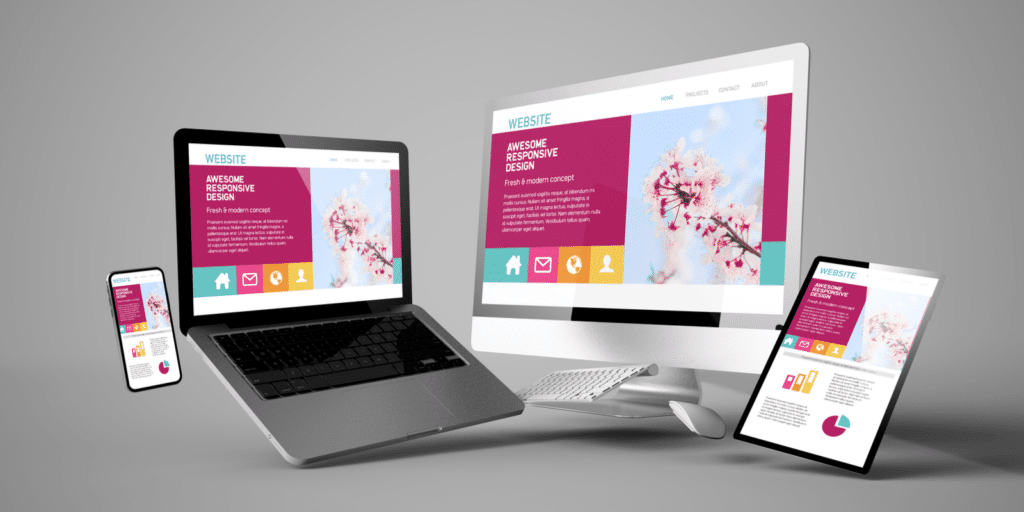
More than 70% of beauty shoppers browse and buy using mobile devices. A mobile-optimized website ensures fast load times, easy navigation, and effortless checkout. Therefore, design responsively from the beginning, ensuring that images, text, and buttons adjust seamlessly to smaller screens. Simplify the shopping cart and payment process to reduce abandonment rates.
4. Integrate Storytelling into the Brand Experience
Beauty customers connect emotionally with brands that share authentic stories. Use website design to communicate brand purpose, values, and passion for skincare. Include a well-designed About page that introduces founders, explains formulations, and highlights ethical commitments such as cruelty-free or eco-friendly practices. Moreover, storytelling builds deeper engagement and differentiates a brand from competitors.
5. Use Color Psychology Strategically
Color influences perception and emotion. For skincare and beauty brands, color palettes should reflect the target audience and brand tone. Soft neutrals evoke calmness and purity, while bold hues express energy and innovation. Therefore, maintain consistent color use across the website to reinforce identity. Additionally, use contrasting accent colors for call-to-action buttons to draw attention naturally.
6. Optimize Website Speed and Performance
Even the most elegant design fails if the site loads slowly. Every second of delay increases bounce rates and reduces conversions. Therefore, compress images, use optimized code, and rely on fast hosting. Implement caching and a content delivery network to ensure global accessibility. Fast performance enhances both SEO and customer satisfaction.
7. Include Clear and Compelling Calls-to-Action
Calls-to-action guide users toward conversion. Use concise, action-oriented language such as “Shop Now,” “Add to Cart,” or “Discover Your Routine.” CTAs should stand out visually without overwhelming the layout. Moreover, position them strategically across product pages, banners, and blog content to encourage engagement.
Best Practices for Beauty Online Stores
While design attracts attention, functionality drives sales. A beauty e-commerce website must deliver smooth navigation, secure transactions, and enjoyable user experiences. The following best practices help online stores maximize performance and profitability.
1. Streamline the Shopping Experience
Complicated navigation frustrates buyers. Therefore, structure menus by product type, skin concern, or collection. Include filtering tools for ingredients, pricing, and customer ratings. Shoppers should reach a product in three clicks or fewer. Additionally, maintain a persistent search bar that recognizes predictive text and suggests relevant items.
2. Highlight Reviews, Testimonials, and Results
Social proof strongly influences skincare purchases. Display verified customer reviews, ratings, and user-generated photos to reinforce authenticity. Moreover, feature success stories and testimonials that demonstrate visible results. This transparency builds trust and confidence in the brand.
3. Offer Product Education and Guidance
Skincare can be complex. Customers often seek advice on ingredients, routines, or compatibility with specific skin types. Therefore, integrate educational resources such as ingredient glossaries, routine builders, and comparison charts. Furthermore, use blog content and quizzes to engage users and recommend tailored solutions. Educational tools increase credibility and reduce hesitation before purchase.
4. Simplify Checkout and Offer Multiple Payment Options
A seamless checkout process prevents cart abandonment. Reduce unnecessary steps, allow guest checkout, and display progress indicators. Offer popular payment methods, including digital wallets and Buy Now, Pay Later options. Moreover, reassure customers with visible security badges and clear return policies.
5. Focus on Retention through Memberships and Loyalty Programs
Acquiring customers costs more than retaining them. Loyalty programs encourage repeat purchases and brand advocacy. Therefore, offer points, discounts, or exclusive access for members. Implement personalized recommendations and subscription services for replenishable products. Retention systems transform single sales into lasting relationships.
6. Optimize for SEO and AI-Driven Discovery
AI has reshaped online visibility. Search engines now prioritize high-quality content, semantic keywords, and user experience signals. Therefore, optimize product descriptions, meta tags, and images with relevant keywords. Use structured data to enhance search listings and integrate AI chatbots to assist customers in real time. Additionally, voice and visual search optimization ensures your products remain discoverable across platforms.
7. Integrate Social Commerce and Influencer Marketing
Social media continues to drive beauty product discovery. Connect your store to platforms like Instagram and TikTok, allowing users to shop directly through tagged posts. Moreover, collaborate with influencers to showcase authentic product usage. Social proof and engagement convert followers into paying customers.
Essential Design Elements for Skincare E-Commerce
Several visual and structural components define successful beauty websites. Incorporating these elements creates a polished and conversion-focused online store.
Consistent Branding and Typography
Typography affects readability and perception. Use modern, easy-to-read fonts that align with brand aesthetics. Maintain consistent logo placement and font hierarchy throughout the site to reinforce identity.
Product Pages with Emotional Impact
Every product page should combine beauty with utility. Include detailed descriptions, benefits, ingredients, and application tips. Furthermore, feature before-and-after visuals or customer photos to reinforce authenticity.
Interactive and Immersive Features
Modern users expect engagement. Incorporate virtual try-ons, skin quizzes, or 3D product previews to personalize shopping. These interactive experiences reduce uncertainty and increase purchase confidence.
Email Capture and Retargeting Integration
Design pop-ups or embedded forms that offer discounts or skincare guides in exchange for email subscriptions. Retarget visitors with personalized emails reminding them of viewed or abandoned products.
Maintaining and Updating the Website
Design alone is not enough. Ongoing website maintenance ensures continued performance and growth. Regularly update content, review analytics, and test new features. Track conversion rates, customer feedback, and traffic sources to identify opportunities for improvement. Furthermore, perform monthly technical audits to ensure smooth functionality and top search engine performance.
The success of a skincare website or beauty online store depends on balancing artistry with technology. A stunning design creates first impressions, but user experience, trust, and seamless functionality sustain long-term growth. By focusing on mobile optimization, storytelling, education, and personalization, beauty brands can build digital experiences that captivate audiences and convert interest into loyalty. In a marketplace shaped by competition and innovation, adopting these best practices ensures your skincare website not only attracts visitors but transforms them into passionate advocates of your brand. Find out here about the best practices for skin care website design and beauty online stores by industry experts. Get assistance here through retail website design services or skin care marketing.