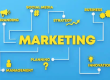
Running a successful skin care business today is nothing like it was a decade ago. Back then, you could rely on local store placement, in-person recommendations, and occasional magazine features to keep your brand alive. Now, the beauty landscape has completely shifted to the digital world. Customers discover products through Instagram Reels, TikTok tutorials, online reviews, and Google searches. If your brand isn’t visible in these spaces, you’re missing out on more than just a few sales—you’re missing out on your future audience.
For me, digital marketing for skin care business growth has never been about just “being online.” It’s about creating a carefully planned digital ecosystem that works 24/7 to attract, educate, and convert customers. Over the years, I’ve seen that the brands thriving in today’s competitive beauty industry are those that fully embrace a digital-first mindset. They don’t treat their website, SEO, or social media as afterthoughts—they make them the heart of their business strategy.
Why Digital Marketing Is Crucial for Skin Care Businesses
When I first started consulting for skin care entrepreneurs, I noticed a common belief: that a great product would naturally sell itself. While it’s true that quality matters, it’s not enough in such a crowded market. Even the most innovative anti-aging cream or gentle cleanser can disappear into obscurity if customers don’t know it exists. That’s the harsh reality.
Digital marketing bridges the gap between your product and the people who need it most. In the skin care industry, customers are not just buying a product; they’re buying trust, transformation, and a personal connection with the brand. That trust is built online through consistent messaging, high-quality visuals, and authentic interactions.
The competitive landscape is intense—established beauty giants have massive advertising budgets, while new indie brands pop up almost daily with fresh, trendy offerings. Without a strong online presence powered by skin care SEO, engaging social media for skincare campaigns, and even influencer marketing skincare strategies, it’s nearly impossible to stand out.
The truth is, your potential customers are already online researching products, reading reviews, and watching tutorials. If your brand isn’t part of that conversation, you’re giving your competitors the advantage. At Illumination Consulting, we make sure your brand’s voice is not only part of the conversation but leading it.
Building a Skin Care Brand Online: The Core Pillars
Over time, I’ve refined my approach to digital marketing for beauty brands into five main pillars. These are the non-negotiables I focus on whenever I’m building a marketing strategy for a client.
1. Skin Care SEO: Be Found Where It Matters
Skin care SEO is your ticket to getting discovered without spending a fortune on ads. Think about the last time you searched for a beauty product—maybe “best vitamin C serum” or “organic face moisturiser.” If your skin care brand doesn’t show up in those search results, you’re invisible to thousands of potential buyers.
When I build an SEO strategy for a skin care client, I start with deep keyword research to uncover exactly what the target audience is searching for. This goes beyond generic beauty terms—I dig into niche topics like “skincare routine for sensitive skin” or “best acne treatment for teens.” These keywords become the backbone of product descriptions, blog posts, and even social media captions.
But SEO isn’t just about keywords. It’s about on-page optimisation—making sure every product page is structured correctly, every image is compressed for speed, and every heading speaks directly to what the customer is looking for. I also focus heavily on content clusters—interconnected articles and guides that position the brand as a trusted authority in skin care.
And then there’s the technical side. Google rewards websites that load fast, are mobile-friendly, and use structured data to help search engines understand the content. I’ve seen organic traffic for clients double simply by fixing these technical issues.
2. Social Media for Skincare: Build a Loyal Community
Social media is where your skin care brand’s personality shines. Platforms like Instagram and TikTok have transformed the way beauty products are marketed. Customers want more than just a sales pitch—they want to connect, engage, and feel part of your journey.
When I create social media for skincare strategies, I focus first on choosing the right platforms. Instagram and TikTok are perfect for short, visual content like product demos, tutorials, and transformations. Pinterest is an incredible long-term traffic driver for beauty inspiration boards, while Facebook is still valuable for building communities and running targeted ads.
I also pay close attention to branding consistency. Every photo, video, and caption should feel like it’s coming from the same voice and visual identity. This consistency makes your brand instantly recognisable in a crowded feed.
Engagement is key—answering questions in comments, responding to DMs quickly, hosting polls, and showing behind-the-scenes content all help build relationships. I’ve had clients see huge boosts in loyalty simply by adding weekly “skin care tip” livestreams where followers can ask questions in real-time.
Influencer Marketing Skincare: Leverage Trusted Voices
Influencers have become a powerful force in the beauty industry. They already have an audience that trusts their opinion, and that trust can be transferred to your brand through collaboration.
When I run influencer marketing skincare campaigns, I don’t just chase big names. In fact, I often prefer working with micro-influencers—people with smaller but highly engaged audiences. These influencers often have a more personal relationship with their followers, which makes their recommendations feel authentic.
Authenticity is everything. Customers can tell when an influencer is genuinely excited about a product versus when they’re just reading a script. That’s why I work closely with influencers to co-create content—letting them test products, share their honest experiences, and show real results.
The key is to set clear goals for each partnership. Whether it’s generating sales, increasing brand awareness, or driving website traffic, having a measurable objective allows me to track performance and refine future campaigns.
4. Skin Care Website Design: Your Digital Storefront
Your skin care website design is your 24/7 sales machine. If it’s outdated, slow, or confusing, you’re losing customers before they even add products to their cart.
I believe a skin care website should be as beautiful as it is functional. That means high-quality images, elegant typography, and a colour palette that matches your brand identity. Navigation should be simple—categories, search bars, and filters make it easy for customers to find exactly what they want.
But beauty isn’t enough. A website also needs to load quickly, especially on mobile devices where most beauty shoppers browse. Every second of delay can cost you sales. Adding customer reviews and before-and-after photos boosts credibility, while an optimised checkout process reduces cart abandonment.
5. Content Marketing for Skincare: Educate, Inspire, Sell
Content marketing for skincare is the long-term growth engine of a brand. By creating educational, entertaining, and inspiring content, you build trust and position yourself as an expert.
For my clients, this often means creating a library of educational blog posts that answer questions customers are already asking. Video tutorials show how to use products effectively, while seasonal skin care guides address different needs throughout the year.
I also encourage brands to incorporate user-generated content—photos, testimonials, and reviews from real customers. This type of content not only builds trust but also provides authentic marketing material that resonates with future buyers.
Integrating Your Digital Marketing Channels
The real power of digital marketing comes from integration. For example, a blog post optimised for skin care SEO can bring in organic traffic, which you can retarget with social media for skincare ads. An influencer campaign can drive followers to a beautifully designed skin care website, where your content marketing for skincare continues the conversation and closes the sale.
When all these pieces work together, they create a customer journey that feels seamless and natural—from discovery to purchase to long-term loyalty.
Measuring Digital Marketing Success in Skin Care
I never run a campaign without tracking performance. I monitor website traffic, conversion rates, social engagement, and email marketing metrics. These numbers tell me what’s working and where I need to adjust.
For example, if I see high website traffic but low conversions, I know it’s time to review product pages and checkout flow. If engagement is dropping on social media, I’ll test new content formats or posting times.
Avoiding Common Digital Marketing Mistakes in Skin Care
I’ve seen brands make simple mistakes that cost them growth: ignoring mobile optimisation, relying solely on one channel, neglecting consistent branding, or failing to test campaigns. Avoiding these pitfalls can save time, money, and frustration.
The Future of Digital Marketing for Skin Care
Looking ahead, I believe the future lies in hyper-personalised experiences—AI-powered recommendations, augmented reality skin analysis, and virtual consultations. Brands that adapt early will stand out in a market that’s only getting more competitive.
Final Thoughts
I’ve learned that success in the skin care industry isn’t just about having a great product—it’s about making sure the right people see it, trust it, and choose it over the competition. By combining skin care SEO, social media for skincare, influencer marketing skincare, a stunning skin care website design, and effective content marketing for skincare, you can create a strategy that delivers consistent growth. If you’re ready to build that kind of momentum for your brand, contact us today to get started.
Frequently Asked Questions
What is the most effective digital marketing strategy for a skin care business?
A balanced mix of SEO, social media engagement, influencer partnerships, and content creation works best.
How important is SEO for skin care brands?
SEO is crucial it ensures customers find you when searching for beauty solutions online.
Should I invest in influencer marketing for skincare?
Yes, but choose influencers whose audience aligns with your target market.
How often should I post on social media for my skin care brand?
Consistency is key aim for 3–5 times per week with a mix of educational, entertaining, and promotional content.
Can content marketing increase skin care sales?
Absolutely. By educating and inspiring your audience, you build trust and encourage them to buy.