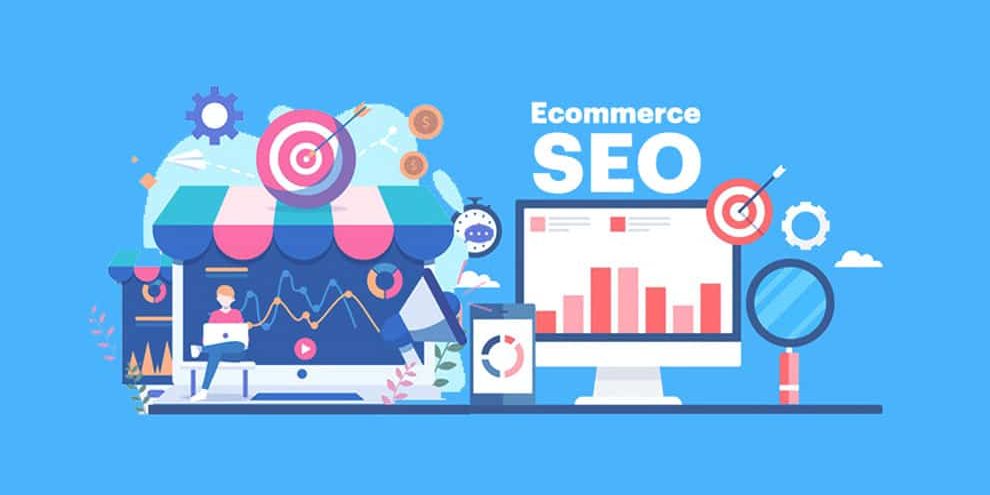
Search engine optimization remains one of the most powerful growth drivers for retail businesses. In 2026, competition online has reached historic levels, and visibility determines survival. Online retail brands that dominate search results gain consistent traffic, lower advertising costs, and higher customer trust. Because of this, SEO is no longer optional—it is essential for sustainable profitability. Business consultants specializing in retail strategy emphasize that SEO connects every part of digital marketing: branding, content, product discovery, and conversion. The brands that integrate it strategically outperform those that treat it as a technical afterthought. Find out here how SEO impacts online retail brands and sales. Get the facts on generating online sales and growing your online store here.
Modern SEO involves more than keywords. It reflects how consumers discover products, evaluate credibility, and make purchasing decisions. Retail consultants help brands understand how organic visibility impacts both immediate sales and long-term brand value. As search algorithms evolve toward intent, expertise, and user experience, retailers must optimize holistically. SEO drives growth by making discovery effortless, purchase decisions confident, and brand loyalty lasting.
The Strategic Importance of SEO for Retail
SEO affects every stage of the retail funnel. First, it ensures potential customers find a brand when they search for relevant products or solutions. Then, it shapes perception by placing the brand in trusted organic positions. Finally, it supports post-purchase engagement through educational content and helpful resources. Because of this, SEO directly influences traffic, trust, and repeat purchases.
Retail consultants guide companies through understanding search intent—the reason behind each query. Shoppers might search to compare, learn, or buy. SEO strategy must match these intents with targeted pages. For instance, blogs answer questions, category pages capture comparisons, and product pages close sales. When executed properly, each page plays a role in converting visitors into customers.
Consultants also stress that SEO builds equity over time. Unlike paid ads, which stop when budgets end, organic rankings deliver consistent exposure. Therefore, SEO investment creates compounding returns. Brands that focus on optimization now dominate visibility later, reducing long-term dependency on paid traffic.
The Connection Between SEO and Online Sales Performance
Search visibility correlates directly with revenue. Studies consistently show that most users click one of the top three organic results. Therefore, ranking position heavily determines sales volume. Business consultants use analytics to calculate revenue impact by keyword position. Even moving a single ranking from position five to two can generate thousands in additional monthly sales.
Additionally, SEO improves conversion quality. Organic visitors arrive with clear intent, meaning they are further along the buying journey. These visitors spend more time on site, view more products, and purchase more frequently. Consultants measure these behaviors and refine pages to strengthen performance.
Because SEO aligns with customer behavior, it also enhances return on marketing investment. Paid media remains valuable, but it becomes significantly more efficient when combined with strong organic presence. Consultants often advise a balanced approach—using paid campaigns to test demand while SEO builds sustainable visibility.
Technical SEO: The Foundation of Retail Performance
Technical SEO ensures that search engines can access, understand, and rank a website properly. Consultants audit architecture, speed, mobile responsiveness, and indexation. A single technical issue can block hundreds of potential visitors. Therefore, technical optimization forms the base of all marketing success.
Site structure plays a critical role. Retail consultants organize navigation and internal linking to guide both users and search engines logically. Category hierarchies should reflect buying intent, not internal organization. For example, “Women’s Summer Dresses” ranks higher when grouped under clear parent categories like “Women’s Fashion” rather than buried under generic tags.
Website speed directly impacts sales. Studies reveal that a one-second delay can reduce conversion by 7%. Consultants optimize load times through image compression, caching, and code cleanup. Moreover, they monitor mobile usability, ensuring that pages display correctly on every device. In 2026, mobile-first indexing remains Google’s standard, so flawless responsiveness is non-negotiable.
Structured data markup further enhances visibility. Consultants implement schema to help search engines display rich results, including ratings, prices, and availability. These elements increase click-through rates and customer trust instantly.
Content Strategy: Fuel for SEO and Brand Authority
Content marketing remains the cornerstone of SEO. Consultants develop editorial strategies that position retailers as trusted authorities within their category. Each article, guide, or video educates the audience while targeting high-intent keywords.
Retail brands benefit when content aligns with customer needs. For example, an online beauty retailer might create articles explaining skincare routines, ingredient benefits, or product comparisons. These posts attract visitors early in their buying journey and guide them toward purchase.
Additionally, consultants emphasize consistency. Publishing schedules improve both engagement and ranking signals. Search engines reward websites that update regularly and maintain topical relevance.
Visual content now carries equal importance. Consultants incorporate optimized imagery, infographics, and videos to increase dwell time. By combining written and visual storytelling, brands enhance experience while improving SEO metrics like time-on-site.
Keyword Research and Intent Matching
Keyword research remains at the heart of retail SEO. However, the methodology has evolved. Instead of chasing volume alone, consultants now prioritize intent and profitability. They identify which terms indicate strong purchase motivation versus those that signal general curiosity.
Consultants classify keywords into informational, navigational, and transactional categories. This segmentation ensures that each keyword maps to the correct page type. Informational keywords inspire blog posts, while transactional keywords guide product listings and landing pages.
Moreover, consultants analyze competitor data and gap opportunities. By identifying keywords competitors rank for—but the client does not—brands gain immediate paths to growth. Advanced tools and AI models predict emerging keyword trends months ahead, giving proactive brands early advantage.
On-Page Optimization and Conversion Focus
Consultants ensure every page communicates clearly with both users and algorithms. On-page optimization covers meta tags, headers, internal links, and content hierarchy. Title tags must attract clicks, while meta descriptions must build curiosity.
Beyond technical precision, consultants focus on conversion elements. They ensure calls-to-action are visible, forms simple, and trust signals—such as reviews and guarantees—prominent. Optimized pages balance clarity and persuasion, leading to higher engagement and more completed transactions.
User experience also influences SEO directly. Search engines now measure interaction signals such as dwell time, click-through rate, and bounce rate. Consultants continuously test layouts, color schemes, and content placement to find the most effective combinations.
Link Building and Digital PR
Backlinks remain one of the strongest ranking factors. However, quality matters more than quantity. Consultants develop ethical link-building campaigns focused on authority, relevance, and trust.
They secure backlinks from reputable media outlets, industry associations, and complementary businesses. These endorsements not only boost rankings but also enhance brand reputation. Additionally, consultants manage digital PR campaigns that showcase expertise through guest articles and interviews.
Partnership marketing further amplifies authority. For example, collaborations between fashion retailers and sustainability blogs produce high-quality backlinks while reaching aligned audiences.
Local SEO and Store Visibility
For retailers with physical locations, local SEO provides powerful growth opportunities. Consultants optimize Google Business Profiles, ensure NAP (name, address, phone) consistency, and manage review generation.
Local visibility connects digital presence with in-person sales. When clients search “near me,” optimized listings drive foot traffic and brand familiarity. Consultants implement geo-targeted content and structured data that highlight service areas and store hours.
Additionally, local SEO strengthens credibility. Reviews and local mentions reinforce authenticity and trust, making customers more comfortable purchasing both online and offline.
Analytics and Performance Measurement
Measurement transforms SEO from art into science. Consultants establish dashboards that track rankings, organic traffic, conversion rates, and revenue attribution. This transparency helps brands understand exactly how optimization influences financial outcomes.
They also analyze secondary metrics such as engagement time and repeat visitor rates. These indicators reveal how content resonates with audiences. Based on insights, consultants refine strategy continuously.
Predictive analytics now play a greater role. AI-driven models forecast how algorithm changes or content updates affect rankings. With this foresight, consultants adapt faster and maintain stability during volatility.
SEO and User Experience Integration
In 2026, SEO and UX share a unified purpose—serving the customer better. Consultants ensure websites feel intuitive, responsive, and rewarding. Navigation clarity improves retention, while personalized recommendations boost sales.
Retailers must make browsing effortless. Consultants design site maps, filters, and sorting options that reflect real shopper preferences. For example, allowing users to filter by “sustainable materials” or “best-selling products” enhances relevance and satisfaction.
Moreover, accessibility matters. Consultants audit sites to ensure compliance with accessibility standards, benefiting both users and rankings. Inclusive design expands audience reach and builds goodwill.
The Role of Consulting in SEO Execution
Business consultants deliver more than tactics. They create structure and accountability. Without experienced guidance, SEO efforts often remain inconsistent or disconnected from broader business goals.
Consultants define key performance indicators, assign responsibility, and manage execution timelines. They ensure marketing, IT, and content teams collaborate effectively. By bridging departments, consultants prevent common delays and misalignment.
Additionally, consultants provide objectivity. Internal teams may overlook performance gaps due to familiarity. Consultants bring fresh perspective and cross-industry knowledge that identifies new opportunities.
Building Brand Trust Through SEO
SEO strengthens not only traffic but also credibility. Appearing consistently in top results signals reliability. Consultants guide brands in crafting messaging that emphasizes transparency, quality, and expertise.
Educational content builds trust faster than promotional slogans. When shoppers find helpful answers from a brand, they remember it as credible. Over time, this authority translates into loyalty and referrals.
Moreover, strong SEO protects reputation. Consultants monitor search results for negative mentions and manage reputation recovery campaigns. By maintaining positive brand visibility, they safeguard long-term equity.
The Future of Retail SEO Beyond 2026
As technology evolves, SEO becomes more predictive, conversational, and AI-assisted. Consultants prepare brands to adapt to emerging voice search, visual recognition, and personalized search ecosystems.
Voice search optimization focuses on natural language and question-based queries. Consultants craft content that mirrors human speech patterns and provides concise answers.
Visual search integration gains momentum, especially for fashion and lifestyle retailers. Consultants ensure images carry descriptive metadata and appear in image-based discovery platforms.
Additionally, personalization will continue deepening. Search engines increasingly tailor results to individual users. Consultants align SEO strategies with this shift, using data responsibly to anticipate intent.
Building Long-Term Competitive Advantage
SEO excellence builds cumulative advantage. Consultants treat it as an ongoing system rather than a campaign. Through continuous refinement, brands maintain momentum while competitors struggle to catch up.
Moreover, SEO supports every other marketing initiative. Paid ads perform better when supported by optimized landing pages. Social media engagement improves when linked to authoritative blog content. Public relations gains weight when the brand dominates search visibility.
In 2026, retailers that treat SEO as a strategic discipline—not a technical chore—lead their markets. Business consultants make that transformation possible by uniting creativity, data, and disciplined execution. Find out here how SEO impacts online retail brands and sales. Get the facts on generating online sales and growing your online store here.