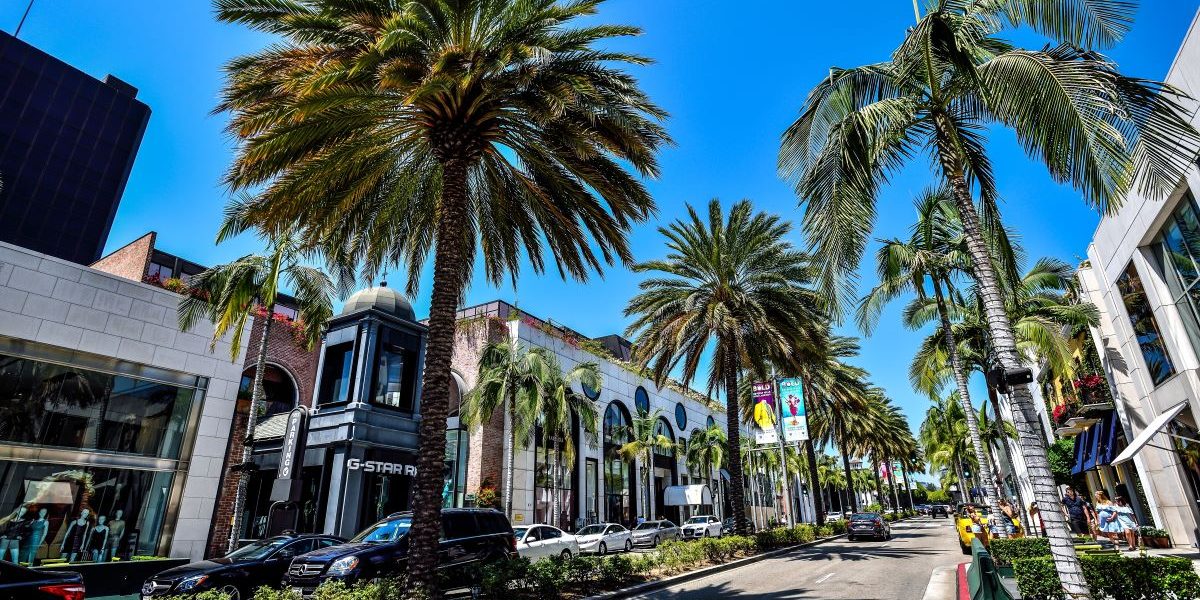
Growing a retail business in Los Angeles takes more than just passion. Although the city offers a huge market, competition is fierce. Therefore, retailers must build strong foundations, embrace strategy, and constantly adapt to stay ahead. The good news is that with the right steps, success becomes possible for nearly any store. Looking to find out how to grow a retail business in Los Angeles successfully? Get help here from industry experts. Grow your retail brand through retail marketing services. Talk to a business consultant about your brand.
Know Your Target Market
First, identify your ideal customer. Los Angeles is a city of micro-markets. For instance, the customer in Silver Lake is different from one in Beverly Hills. Therefore, use customer data and demographic tools to understand buying habits. Because local culture drives demand, customize your merchandise to match.
Additionally, consider seasonal behaviors. Tourism increases during holidays and events. During these times, foot traffic rises in shopping districts. That means planning your inventory and promotions accordingly can bring in more sales. Knowing your audience always helps you position your brand better.
Build a Recognizable Brand
Your brand identity matters greatly. Shoppers in Los Angeles often make decisions based on emotion, lifestyle, and aesthetics. For this reason, you must create a brand experience that speaks to their values. Use consistent colors, signage, and messaging both online and offline.
Moreover, invest in a brand story that inspires. Many local customers shop with purpose. Whether it’s sustainability, luxury, or community support, your brand should reflect it. In this environment, authenticity wins. If your story feels real, people will share it. Sharing increases exposure and builds loyalty.
Focus on Visual Merchandising
In retail, visual presentation attracts attention. Especially in image-conscious Los Angeles, storefronts must feel inviting. Make sure your displays are clean, well-lit, and interesting. Because shoppers tend to scan rather than browse deeply, displays must make an immediate impression.
Create themes for seasons, holidays, or promotions. Use signage with clear calls to action. Additionally, rotate products to maintain freshness. If shoppers keep seeing the same layout, excitement fades. For small spaces, less clutter creates more focus. This leads to a better experience and often better sales.
Embrace Omnichannel Sales
Selling in person is no longer enough. You must sell online, too. An omnichannel approach ensures you reach buyers wherever they prefer to shop. Today’s consumers browse online before walking into a store. Therefore, your website must be optimized and mobile-friendly.
Social media integration supports awareness and traffic. For example, Instagram shops let users buy with fewer clicks. Because time matters to customers, convenience boosts sales. Use digital tools to sync inventory, enable store pickups, and offer customer service online. These extras increase retention and drive repeat visits.
Prioritize Local SEO and Digital Marketing
People search “near me” every day. That is why local SEO is essential. Make sure your Google Business profile is current. Use accurate business descriptions, correct hours, and positive reviews. Since most shoppers read reviews before visiting, reputation directly affects foot traffic.
Next, launch digital ads that target specific neighborhoods. Use paid ads to attract locals during sales or new arrivals. In addition, build an email list and share updates regularly. Emails that include personal offers or local events often convert better. Local marketing builds trust and engagement quickly.
Offer Excellent Customer Service
Customer service creates long-term value. Although prices can attract, service builds loyalty. Train your team to greet each visitor warmly. Teach product knowledge, but also emphasize listening. Many shoppers return because they felt seen or heard. That emotional connection adds tremendous business value.
Offer simple returns and easy exchanges. Shoppers who feel confident tend to spend more. Additionally, thank loyal customers often. Even a quick message or free sample can deepen their connection. Loyalty grows when customers feel appreciated.
Monitor Data to Improve
Growth comes from knowing what works. That’s why data analysis is essential. Use your point-of-sale system and website analytics to track performance. Review sales by category, time of day, or customer segment. These insights reveal which items drive revenue and which don’t.
Additionally, track conversion rates, inventory turnover, and return rates. Make decisions using facts, not guesses. For example, slow-moving inventory might need to be discounted. Or your top-selling product may deserve better placement. Because every decision matters, data keeps your strategy focused.
Collaborate and Build Community
Los Angeles thrives on networking and collaboration. Partner with local influencers or community groups to host events. In-store workshops, pop-ups, or shopping nights bring new traffic. If your store supports causes or creative artists, highlight those stories. This gives people a reason to share your brand.
Likewise, support other local businesses. When you collaborate on promotions, both businesses grow. These partnerships often cost less than traditional advertising but build more trust. Strong communities grow stronger together.
Utilize Professional Consulting
At times, outside help can accelerate growth. Business consultants help retailers fine-tune their strategy. With fresh perspective, consultants identify gaps in operations, marketing, or technology. They often recommend small changes that produce big results.
Retail consultants also bring industry knowledge. Because they track trends and performance benchmarks, they guide decisions that save money and time. If your retail growth has stalled or you’re overwhelmed, consulting support is an investment in long-term success.
Expand Mindfully
Once your store performs well, it can be tempting to expand. However, expanding too quickly leads to challenges. Before opening a new location or adding more inventory, analyze demand. Ensure your processes are strong and scalable.
Furthermore, consider testing new ideas online first. Selling a new product on your eCommerce store before stocking it in-store reduces risk. Similarly, pilot programs or pop-ups let you experiment with new neighborhoods. Growing mindfully keeps your brand focused and financially healthy.
Offer Loyalty Programs
Repeat customers are your most valuable asset. Loyalty programs encourage them to return. Offer points, discounts, or exclusive access to members. These incentives boost purchase frequency and average order size.
Make joining easy. Promote loyalty programs on receipts, email campaigns, and at the counter. Additionally, personalize rewards when possible. If a shopper buys skincare regularly, offer them a special skincare gift. When rewards feel personal, they matter more. And when customers feel seen, they return more often.
Stay Ahead of Trends
In Los Angeles, retail trends change quickly. Stay informed about what’s next. Attend trade shows, follow fashion weeks, and subscribe to retail news. Watch competitors and international leaders. When you spot a growing trend early, you can respond faster than large retailers.
For example, sustainability continues to grow in popularity. Many shoppers prefer eco-friendly products and packaging. Likewise, AI tools help personalize shopping. If your business adopts these ideas early, you gain a competitive edge.
Looking to find out how to grow a retail business in Los Angeles successfully? Get help here from industry experts. Grow your retail brand through retail marketing services.