Retail websites often serve as the first interaction between a business and its customers. Because impressions form quickly, design directly influences trust and sales. However, many retail websites underperform due to outdated layouts, confusing navigation, or poor usability. Therefore, redesigning retail websites with proven best practices becomes essential for achieving stronger results. By focusing on design, performance, and user experience, businesses can convert more visitors and increase long-term profitability. Find out more here on redesigning retail websites for better results best practices. Why guess? Work with experts here for better results.
Why Website Redesign Matters for Retail
A retail website is more than a digital catalog. It functions as a sales engine, brand ambassador, and customer service tool. When design falls short, customers leave before making purchases. Because competition online is intense, retailers cannot afford ineffective digital experiences.
Shifting Consumer Expectations
Online shoppers expect speed, simplicity, and convenience. Because technology evolves rapidly, a design that worked five years ago may fail today. Therefore, redesigning websites ensures alignment with modern consumer demands.
The Impact on Conversions
Website usability directly affects conversions. Slow load times, broken links, and unclear product information reduce sales. However, redesigning improves performance and creates experiences that encourage customers to complete transactions.
Best Practices for Retail Website Redesign
Several proven practices consistently improve results. Retailers who apply these methods see stronger engagement and higher conversions.
Prioritize Mobile Optimization
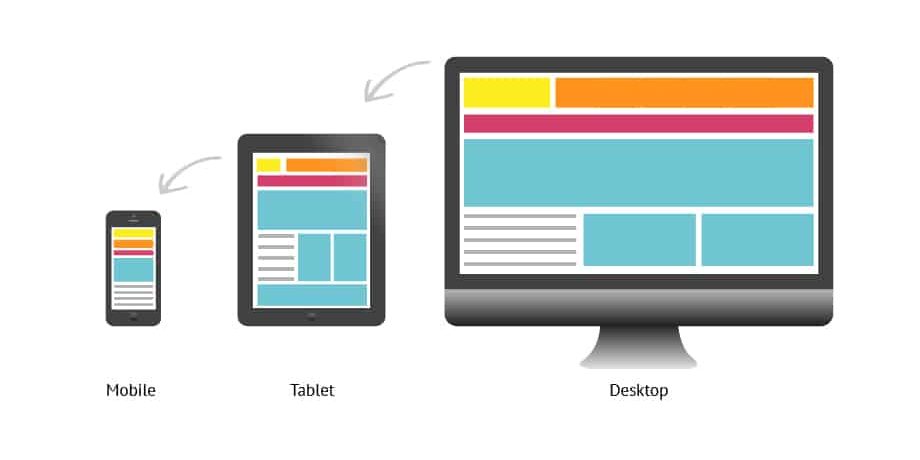
Most online shopping now happens on mobile devices. Therefore, websites must load quickly and display clearly on small screens. Responsive design ensures smooth browsing across devices, which increases both trust and conversions.
Simplify Navigation
Clear navigation helps customers find products easily. Confusing menus frustrate visitors, leading to lost sales. Retail websites should feature intuitive categories, visible search bars, and logical filters. Because simplicity encourages exploration, sales opportunities increase.
Focus on Page Speed
Slow-loading pages drive visitors away. Every extra second reduces conversions. Therefore, retailers should optimize images, streamline code, and use reliable hosting. Faster performance improves both user experience and search rankings.
Strengthen Product Presentation
Product pages must replace in-person experiences. High-quality images, detailed descriptions, and video demonstrations help customers make decisions. Because strong content increases confidence, conversion rates improve.
Create a Seamless Checkout Process
Checkout is often where sales collapse. Complex forms, limited payment methods, or mandatory account creation cause cart abandonment. Therefore, simplifying checkout is vital. Options like guest checkout, digital wallets, and one-click payments reduce barriers.
Integrate Social Proof
Customer reviews and testimonials build trust. Because shoppers value peer opinions, displaying ratings improves confidence. Featuring user-generated photos also demonstrates authenticity and drives engagement.
Ensure Consistent Branding
A cohesive look across colors, fonts, and messaging strengthens brand recognition. When branding feels inconsistent, trust decreases. Therefore, redesigns must align visuals with brand identity.
Optimize for SEO
Visibility drives sales. During redesign, integrating keywords, structured data, and optimized metadata increases search rankings. Because SEO attracts organic traffic, long-term results improve.
Include Personalization
Modern consumers expect personalized experiences. Product recommendations based on browsing history encourage additional purchases. Email integration and targeted promotions also strengthen loyalty.
The Role of Analytics in Redesign
Redesign decisions must rely on data, not assumptions. Analytics highlight where users drop off, which pages convert, and what improvements matter most. Therefore, reviewing heatmaps, bounce rates, and cart abandonment data before redesign ensures the right focus.
Avoiding Common Redesign Mistakes
While redesigning improves results, poor execution can harm performance. Avoiding common mistakes saves time and money.
Overcomplicating Design
Flashy graphics or excessive animations distract rather than help. Simplicity consistently delivers better usability and conversions.
Ignoring Customer Feedback
Customers often highlight pain points in reviews or surveys. Ignoring this feedback results in repeating the same mistakes.
Neglecting Testing
Launching without testing risks usability issues. A/B testing different layouts, buttons, or checkout flows ensures final designs perform well.
Why Consulting Support Improves Results
Although businesses can manage redesigns alone, consultants accelerate success. Their expertise identifies problems quickly, applies proven practices, and monitors results. Because consultants provide structured guidance, retailers reduce risk and maximize returns.
Building a Website That Delivers
Retail websites must do more than look attractive. They must deliver results through usability, speed, and trust-building features. By applying best practices such as mobile optimization, streamlined navigation, and strong product presentation, retailers create digital platforms that convert visitors into loyal customers. Therefore, redesigning websites strategically transforms underperforming sites into powerful engines for retail success. Find out more here on redesigning retail websites for better results best practices. Why guess? Work with experts here for better results.