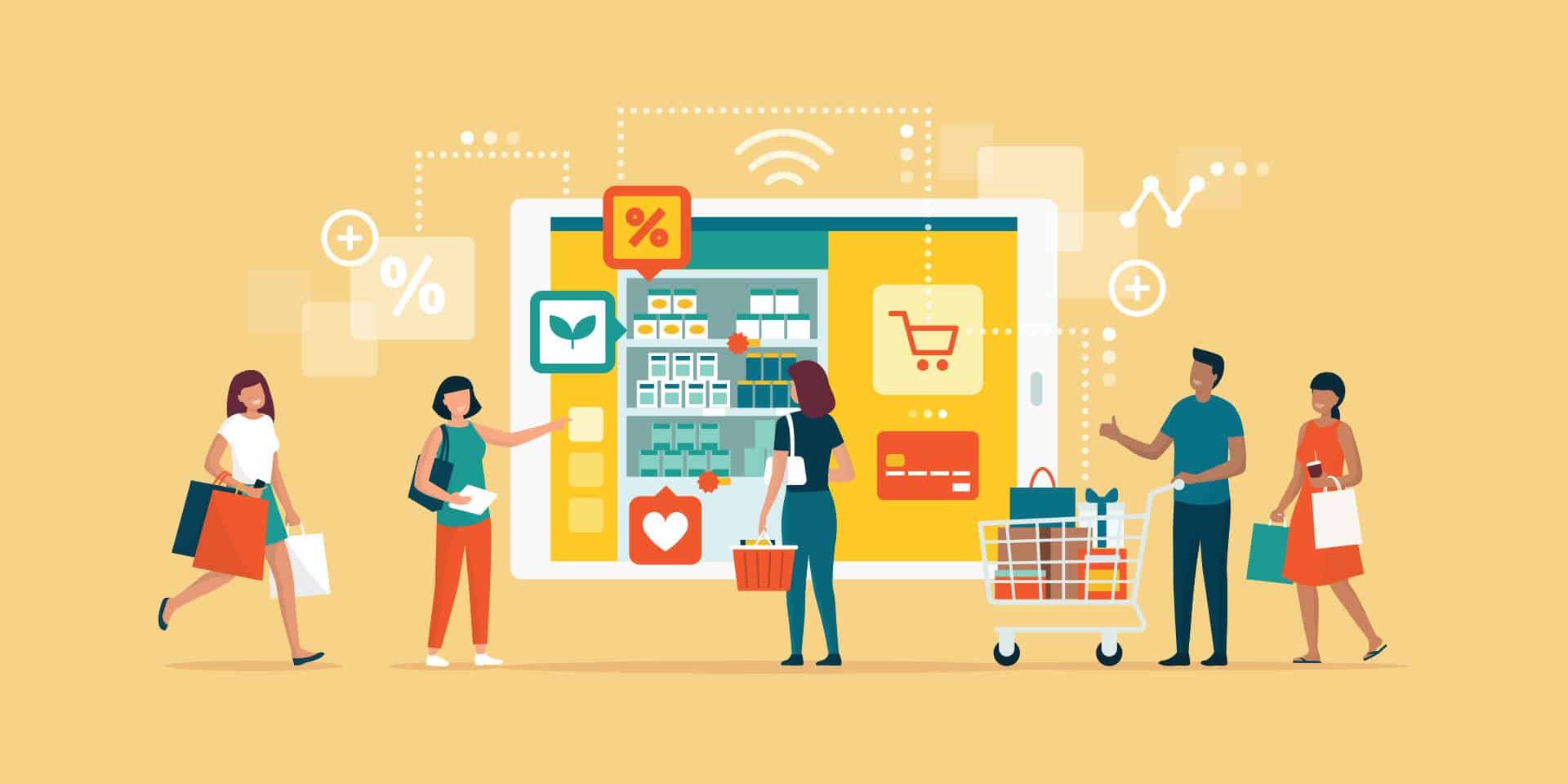
Retail marketing strategies that increase in-store and online sales are essential in a market where consumers research digitally before making purchasing decisions. Because retail competition continues to intensify, visibility alone no longer guarantees revenue. Therefore, retailers must integrate digital marketing, local SEO, paid advertising, and conversion optimization into a unified growth strategy. When marketing channels align intentionally, retail businesses increase both foot traffic and ecommerce revenue.
Although many retailers focus on promotions and seasonal campaigns, fragmented marketing limits results. In many cases, retailers run paid ads without optimizing their website, invest in social media without improving search visibility, or launch discounts without tracking performance. Consequently, marketing spend increases while margins shrink. Illumination Consulting supports retail businesses through Search Engine Optimization, Paid Advertising, Retail Marketing, and Website Design services that create measurable sales growth. When strategy replaces randomness, retail marketing becomes predictable and scalable.
Understanding Modern Retail Consumer Behavior
Retail purchasing decisions rarely begin in-store. Instead, consumers search online before visiting physical locations. Therefore, retail marketing strategies must prioritize digital visibility. When retailers rank for relevant search terms, they capture high-intent buyers.
Moreover, consumer expectations emphasize convenience and clarity. Shoppers expect accurate store hours, product availability, and pricing transparency. As a result, digital presence directly influences foot traffic. Consequently, retailers who optimize online experiences increase in-store visits.
Modern retail marketing strengthens sales by:
-
Capturing online search demand
-
Influencing purchase decisions
-
Supporting omnichannel engagement
Digital visibility drives physical sales.
Leveraging Local SEO to Increase Store Traffic
Local SEO remains critical for retail businesses, particularly in competitive markets like Los Angeles. Therefore, retailers must optimize Google Business Profiles, local listings, and geo-targeted keywords. When customers search for nearby stores, visibility determines traffic.
Additionally, local reviews impact purchasing behavior. Encouraging satisfied customers to leave reviews strengthens credibility and rankings. As review volume grows, trust increases. Consequently, local SEO directly supports in-store revenue.
Local SEO improves retail performance by:
-
Increasing map visibility
-
Driving nearby traffic
-
Strengthening reputation
Local authority attracts ready buyers.
Integrating Ecommerce With Physical Store Strategy
Retail marketing must bridge physical and digital experiences. Therefore, ecommerce platforms should complement in-store offerings. When inventory visibility, pickup options, and promotions align across channels, customer convenience improves.
Moreover, integrated systems reduce friction. Consulting strategies connect ecommerce tracking with store promotions, enabling better insights. As alignment improves, conversion rates increase. Consequently, omnichannel integration strengthens total revenue.
Ecommerce integration supports sales by:
-
Improving customer convenience
-
Supporting cross-channel promotions
-
Increasing average order value
Alignment enhances customer experience.
Using Paid Advertising to Amplify Promotions
Paid advertising accelerates retail visibility. Therefore, retailers should use targeted ad campaigns to promote sales, new arrivals, and seasonal collections. When campaigns align with landing pages, results improve.
Additionally, audience targeting increases efficiency. Platforms allow retailers to reach shoppers based on location, interest, and behavior. As targeting sharpens, cost per acquisition decreases. Consequently, paid ads support profitable growth.
Paid advertising improves retail sales by:
-
Driving immediate traffic
-
Increasing brand awareness
-
Scaling high-performing campaigns
Strategic ads support consistent revenue.
Optimizing Retail Website Design for Conversions
Website performance directly impacts sales. Therefore, retailers must optimize website design for usability and clarity. When navigation feels intuitive and product pages provide sufficient detail, conversions improve.
Moreover, mobile optimization is critical. Since many consumers browse on smartphones, responsive design influences purchasing decisions. As page speed and usability improve, bounce rates decrease. Consequently, website optimization multiplies marketing effectiveness.
Website optimization strengthens retail marketing by:
-
Improving user experience
-
Increasing conversion rates
-
Supporting search rankings
Design drives engagement.
Strengthening Product Page Content and SEO
Product visibility depends on optimization. Therefore, retailers should enhance product descriptions with relevant keywords and detailed information. When search engines understand product relevance, rankings improve.
Additionally, informative content reduces hesitation. Consulting strategies include adding benefits, specifications, and customer testimonials. As clarity improves, purchasing confidence increases. Consequently, well-optimized product pages generate higher sales.
Product optimization supports growth by:
-
Improving search visibility
-
Increasing engagement
-
Enhancing credibility
Detailed content converts visitors.
Utilizing Social Media to Support Retail Engagement
Social media reinforces retail marketing efforts. Therefore, retailers should showcase new arrivals, styling ideas, and in-store experiences consistently. When content feels engaging, brand loyalty strengthens.
Moreover, social platforms support direct promotions. Consulting strategies integrate paid and organic campaigns to increase reach. As engagement increases, store visits follow. Consequently, social media becomes a revenue driver.
Social media supports retail sales by:
-
Expanding reach
-
Building brand community
-
Supporting product discovery
Engagement builds loyalty.
Encouraging Customer Retention Through Email Marketing
Retention increases profitability. Therefore, retail marketing strategies must include email segmentation and loyalty campaigns. When customers receive personalized offers, repeat purchases increase.
Additionally, email supports event promotions and seasonal campaigns. Consulting strategies automate reminders and product recommendations. As retention improves, lifetime value grows. Consequently, marketing efficiency strengthens.
Email marketing improves retail growth by:
-
Encouraging repeat purchases
-
Supporting personalized offers
-
Increasing revenue stability
Retention supports scalability.
Leveraging Analytics to Refine Retail Marketing
Data improves marketing decisions. Therefore, retailers must analyze website traffic, ad performance, and in-store sales patterns. When data reveals trends, adjustments follow.
Moreover, analytics highlight high-performing products and campaigns. Consulting strategies use performance insights to refine targeting. As optimization improves, return on investment increases. Consequently, data-driven marketing strengthens profitability.
Analytics support retail growth by:
-
Identifying performance gaps
-
Reducing wasted spend
-
Supporting informed decisions
Measurement sustains improvement.
Competing Successfully in Los Angeles
Los Angeles retail markets remain highly competitive. Therefore, differentiation and visibility become essential. Retailers who invest in digital marketing outperform competitors relying solely on foot traffic.
Additionally, localized campaigns improve relevance. Consulting strategies incorporate geographic targeting and community engagement. As presence strengthens, trust builds. Consequently, retailers capture greater market share.
Strategic positioning improves retail performance by:
-
Strengthening brand authority
-
Increasing regional visibility
-
Supporting sustainable growth
Visibility drives competitive advantage.
Long-Term Benefits of Structured Retail Marketing
Short-term promotions produce temporary spikes. However, structured marketing systems generate consistent growth. Therefore, retail marketing strategies that increase in-store and online sales must integrate SEO, paid advertising, and conversion optimization.
Moreover, integration reduces inefficiency. When channels reinforce one another, performance compounds. Consequently, retail businesses build durable revenue systems rather than chasing isolated campaigns.
Integrated systems support growth by:
-
Increasing marketing efficiency
-
Strengthening brand authority
-
Supporting long-term profitability
Alignment produces sustainable results.
Q&A: Retail Marketing and Sales Growth
| Question | Answer |
|---|---|
| Why is digital marketing essential for retail? | Because consumers research online before purchasing. |
| Does local SEO help physical stores? | Yes, local SEO increases visibility and foot traffic. |
| What improves retail sales most effectively? | Integrated marketing and optimized website conversion. |
Retail Marketing Strategies That Increase In-Store and Online Sales
Retail success depends on visibility, alignment, and execution. By implementing retail marketing strategies that increase in-store and online sales, businesses create measurable and sustainable growth. Each marketing channel supports overall performance. When strategy drives execution, sales increase consistently.
Partner With Illumination Consulting for Retail Growth
Illumination Consulting provides expert retail marketing services such as Search Engine Optimization, Paid Advertising, Retail Marketing, and Website Design services designed to increase in-store and online sales. Our team builds integrated marketing systems that strengthen visibility and conversion performance. Contact Illumination Consulting to grow your retail business with clarity and confidence.