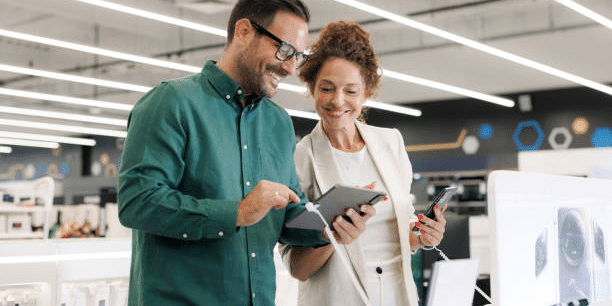
In today’s competitive retail landscape, businesses face constant pressure to attract, engage, and retain customers both in-store and online. The retail industry is no longer just about physical storefronts; it has evolved into a complex ecosystem that blends digital engagement, experiential shopping, and personalized customer journeys. Retailers that fail to adapt risk losing market share to competitors who embrace both technology and traditional sales tactics. By combining retail digital marketing techniques with effective in-store strategies, businesses can maximize sales, enhance brand loyalty, and build long-term relationships with their customers.
illuminationconsulting offers specialized insights and retail SEO services that help businesses navigate this evolving landscape. By leveraging data-driven strategies, retailers can make informed decisions that increase visibility, drive traffic, and ultimately improve revenue.
Understanding the 2025 Retail Landscape
Retail in 2025 is more dynamic and interconnected than ever before. Shoppers no longer see a sharp distinction between online and in-store experiences; instead, they expect seamless integration across all touchpoints. For example, a customer might research a product on their mobile device, read reviews, compare prices online, and then visit a local store to see the product firsthand before making a purchase. Retailers who fail to accommodate these behaviors risk missing out on significant revenue opportunities.
According to recent industry research, more than 70% of consumers research products online before visiting a physical store, highlighting the importance of an integrated marketing approach. Retailers must now focus not only on attracting foot traffic but also on maintaining an engaging digital presence that complements their physical operations.
Key Trends Shaping Retail in 2025
Retailers who understand and adapt to emerging trends will be best positioned for success. Some of the key trends for 2025 include:
- Omnichannel Experiences – Customers demand consistent messaging, pricing, and service across all channels, including e-commerce websites, mobile apps, social media, and brick-and-mortar stores. Brands that successfully implement omnichannel strategies often see increased loyalty and higher customer lifetime value.
- Personalization and AI – Advanced analytics and artificial intelligence enable retailers to deliver highly tailored experiences. Personalized email campaigns, product recommendations, and targeted promotions can significantly increase conversion rates and customer satisfaction.
- Sustainable and Ethical Retailing – Modern consumers, particularly in California, are more conscious of sustainability and ethical sourcing. Retailers that highlight eco-friendly practices or ethical supply chains can differentiate themselves and appeal to socially responsible shoppers.
- Enhanced Customer Experiences – Experiential retail, immersive technologies such as augmented reality (AR), and interactive in-store displays create memorable shopping experiences. These innovations can encourage customers to spend more time in-store and increase repeat visits.
Retail Digital Marketing Strategies
Retail digital marketing is essential for connecting with customers where they spend most of their time – online. In 2025, retailers can no longer rely solely on in-store promotions. A comprehensive digital strategy ensures that your brand is discoverable, trusted, and engaging across multiple channels.
1. Search Engine Optimization (SEO)
Investing in retail SEO services is one of the most effective ways to increase online visibility and drive sales. SEO helps ensure that your products, services, and brand appear prominently when potential customers search for relevant keywords.
- On-page SEO: Optimize your website with keyword-rich product descriptions, meta titles, and meta descriptions. High-quality content that addresses customer needs will rank better in search results.
- Local SEO: Many retailers benefit from optimizing for local search, including Google Business Profile management, citations, and ensuring consistent Name, Address, Phone (NAP) details. This is particularly relevant for businesses in California, where local competition is high.
- Content Marketing: Providing helpful resources like blog posts, buying guides, and tutorials builds authority and drives organic traffic. Informative content also supports other marketing channels, such as social media and email campaigns.
2. Social Media Marketing
Social media platforms are more than just engagement tools; they are critical sales channels. By creating visually appealing content and promoting it strategically, retailers can influence purchasing behavior, raise brand awareness, and drive online and in-store traffic.
Retailers can use social media to:
- Showcase new arrivals, seasonal collections, or exclusive in-store products
- Run targeted paid campaigns aimed at specific demographics, geographic areas, or interests
- Encourage user-generated content and reviews, which act as social proof to attract more customers
In California, social media platforms such as Instagram, TikTok, and Facebook remain highly effective for reaching millennial and Gen Z audiences who rely on these platforms for product discovery.
3. Email and SMS Marketing
Despite the growth of social media and new digital channels, email and SMS remain powerful tools for driving conversions. Personalized campaigns that reflect customer interests and past behavior are particularly effective.
Effective email and SMS marketing strategies include:
- Sending abandoned cart reminders to recover lost sales
- Offering exclusive discounts or loyalty rewards to subscribers
- Providing tailored product recommendations based on previous purchases
Retailers who implement these tactics can nurture relationships and maintain consistent engagement with their audience, ultimately boosting sales.
4. Influencer Partnerships
Influencer marketing continues to grow, especially for niche products and local markets. Partnering with influencers who align with your brand values can introduce your products to new audiences and enhance credibility.
Effective influencer partnerships involve:
- Selecting influencers whose audience matches your target demographic
- Collaborating on content that showcases product use, demonstrations, or tutorials
- Encouraging honest reviews to provide authenticity and social proof
By leveraging influencers, retailers can increase brand awareness and drive both online and in-store sales.
In-Store Marketing Strategies
While digital marketing drives traffic, in-store strategies remain essential for converting visits into purchases and creating memorable customer experiences.
1. Visual Merchandising
Visual merchandising is about more than just displaying products; it’s about storytelling and guiding customer behavior. Thoughtfully designed displays can highlight high-margin products, draw attention to promotions, and make navigation easier for shoppers.
Key elements include:
- Creating seasonal or themed displays that engage customers
- Using lighting, color, and signage to direct attention and highlight featured items
- Positioning products at eye level to increase visibility and likelihood of purchase
2. Experiential Retail
Experiential retail focuses on making the shopping experience engaging and memorable. Shoppers are more likely to return to stores that provide unique, interactive experiences. Examples include:
- Hosting in-store workshops or product demonstrations
- Implementing loyalty programs with interactive features, such as gamification or digital check-ins
- Offering personalized services, such as one-on-one consultations or customization options
Experiential retail is especially effective in California, where consumers value innovation, creativity, and personalization.
3. Staff Training and Engagement
The role of store staff extends beyond transactions. Knowledgeable, well-trained employees enhance the overall customer experience and drive higher conversion rates. Staff should be equipped to:
- Provide personalized recommendations based on customer preferences
- Upsell or cross-sell complementary products
- Create a welcoming, professional environment that encourages repeat visits
Combining Online and Offline Strategies
Integrating digital and in-store marketing ensures that customers have a seamless experience across all touchpoints. Businesses that align these strategies can maximize ROI and strengthen brand loyalty.
| Strategy | Online Implementation | In-Store Implementation |
| Personalization | AI-driven product recommendations | Personalized greetings & offers |
| Loyalty Programs | Mobile app tracking & rewards | In-store point-of-sale rewards |
| Promotions | Email & social media campaigns | Window displays & in-store events |
| Customer Feedback | Online surveys & reviews | On-site comment cards & staff feedback |
This integration allows retailers to create a cohesive customer journey, enhancing both online conversions and in-store purchases.
Measuring Retail Marketing Success
Tracking and analyzing key performance indicators (KPIs) ensures that marketing efforts are delivering results. Retailers should regularly monitor metrics to refine strategies and allocate resources efficiently.
Key KPIs include:
- Website Traffic – Track the number of visitors, page views, and the performance of product pages.
- Customer Retention – Monitor repeat purchases and loyalty program engagement to measure long-term success.
- Average Transaction Value (ATV) – Determine how marketing strategies influence the size of purchases.
- Social Media Engagement – Measure likes, comments, shares, and click-through rates to assess content effectiveness.
- In-Store Foot Traffic – Use POS data or digital check-ins to understand patterns and optimize store layouts or promotions.
Data-driven insights help retailers adjust campaigns, improve engagement, and maximize revenue potential.
Benefits of Using Professional Retail Marketing Services
Partnering with illuminationconsulting and leveraging their retail SEO services offers several advantages for retailers seeking to grow in 2025:
- Access to data-driven insights that inform marketing strategies
- Improved online visibility and search engine rankings
- Seamless integration of digital and in-store marketing efforts
- Guidance on trends, emerging technologies, and best practices
- Actionable recommendations for increasing sales, engagement, and customer satisfaction
By working with professional consultants, retailers can stay ahead of the competition, attract new audiences, and strengthen relationships with existing customers.
Conclusion
Retail marketing in 2025 requires a holistic approach that integrates online and offline strategies. By leveraging retail digital marketing, SEO services, and engaging in-store experiences, retailers can attract new customers, retain loyal shoppers, and drive higher revenue. Businesses that adopt these strategies will remain competitive and adapt to evolving consumer expectations.
For tailored support and professional guidance on retail marketing strategies, contact us at illuminationconsulting to discover how our services can help your business thrive.
Frequently Asked Questions (FAQs)
1. What is retail digital marketing?
Retail digital marketing refers to online strategies designed to promote products and services. This includes SEO, social media, email campaigns, and paid advertising, all aimed at increasing brand visibility, engagement, and sales.
2. How can SEO improve retail sales?
SEO helps products and services appear in relevant search results, driving organic traffic to websites. Optimized product pages, blogs, and local listings increase discoverability, customer trust, and ultimately, sales.
3. Why is omnichannel marketing important for retailers?
Omnichannel marketing ensures a consistent, integrated customer experience across all channels. Customers expect seamless interactions between websites, mobile apps, and in-store experiences, which drives loyalty and repeat purchases.
4. How can small retailers benefit from professional marketing services?
Retail marketing experts like illuminationconsulting provide insights, strategy, and implementation support. This enables small retailers to compete effectively, improve visibility, and maximize sales without extensive in-house resources.
5. What are some effective in-store marketing strategies for 2025?
Experiential retail, visual merchandising, personalized services, and well-trained staff create engaging shopping environments. Combined with digital initiatives, these strategies improve customer experience and increase sales.