Online retail has transformed the way consumers shop, yet competition among brands remains fierce. In 2026, customers expect personalized experiences, seamless journeys, and value beyond single transactions. Therefore, cross selling becomes one of the most powerful tactics for increasing revenue while enhancing customer satisfaction. By encouraging buyers to add complementary products, retailers increase order value and strengthen loyalty. However, effective cross selling requires strategic planning, data analysis, and consistent execution. This article explores in detail the top retail online cross selling tactics that boost sales while creating meaningful customer experiences. Find out more here on retail online cross selling tactics to boost sales. Get the facts from industry experts how to increase product sales through retail marketing or consulting services.
Understanding Cross Selling in Online Retail
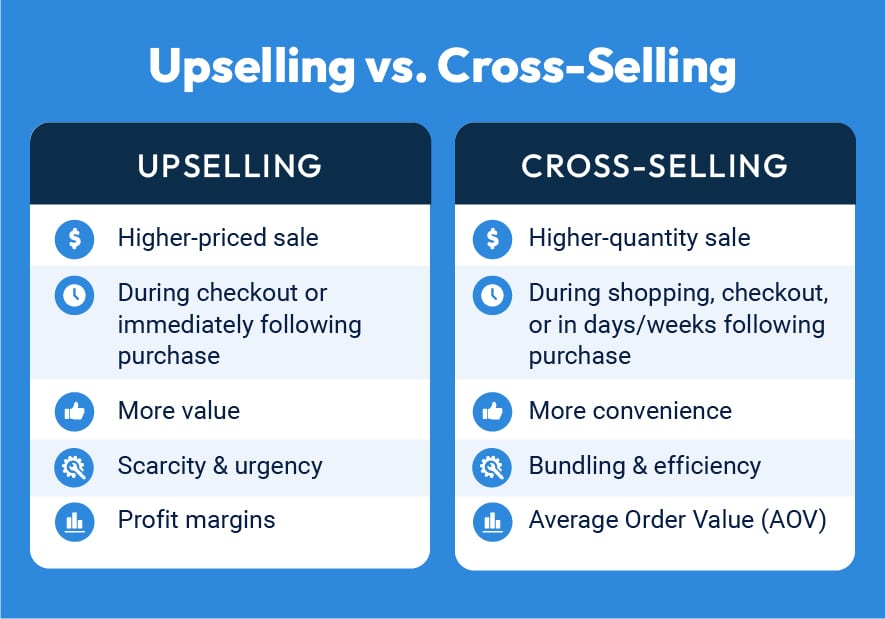
Cross selling refers to suggesting additional, complementary products during or after a purchase. Unlike upselling, which encourages upgrading to a higher-priced option, cross selling focuses on adding value with related items. For example, suggesting skincare serums with moisturizers or offering accessories with clothing illustrates effective cross selling. Furthermore, the tactic increases revenue without needing new customer acquisition, making it highly cost-efficient. Customers also benefit because they receive more complete solutions tailored to their needs. Therefore, cross selling represents a win-win strategy for both retailers and consumers.
Why Cross Selling Matters for Retailers
Retailers face rising acquisition costs, making it more important to maximize value from existing customers. Cross selling increases average order value, reduces cart abandonment, and improves overall profitability. Furthermore, customers who purchase complementary products often demonstrate higher satisfaction and loyalty. They feel understood when retailers anticipate their needs and suggest helpful products. Additionally, data shows that repeat customers generate significantly more revenue over time. Therefore, focusing on cross selling strategies ensures both short-term gains and long-term business sustainability.
Building Strong Product Bundles
Product bundling remains one of the most effective cross selling tactics. Retailers can group complementary products together at discounted prices, increasing perceived value. For example, a beauty retailer might create skincare kits combining cleansers, toners, and moisturizers. Furthermore, bundles simplify decision-making by presenting complete solutions. Retailers must design bundles carefully to avoid overwhelming customers with irrelevant products. Offering curated bundles tailored to different customer segments enhances engagement and conversions. Therefore, bundling delivers both higher sales and stronger customer satisfaction.
Personalizing Recommendations with Data
Personalization drives success in online cross selling. By analyzing customer behavior, preferences, and purchase history, retailers can recommend products that feel highly relevant. For instance, data may reveal that buyers of athletic shoes often purchase fitness trackers. Using this insight, retailers can suggest trackers at checkout. Furthermore, AI-powered recommendation engines enable dynamic, real-time suggestions. Personalized recommendations increase conversions because they align with actual customer interests. Therefore, retailers must invest in data collection, analytics, and machine learning tools to optimize cross selling opportunities.
Integrating Cross Selling into Checkout Processes
The checkout stage provides prime opportunities for cross selling. Customers are already committed to purchasing, so offering relevant add-ons feels natural. For example, suggesting protective cases for electronics or travel-size skincare products at checkout encourages additional spending. Furthermore, strategically placed recommendations during checkout increase visibility without disrupting the buying process. Clear calls-to-action such as “Complete Your Look” or “Add to Your Routine” guide customers effectively. Therefore, integrating cross selling into checkout flows maximizes order value while maintaining smooth experiences.
Using Email Marketing for Post-Purchase Cross Selling
Cross selling does not end at checkout. Email marketing provides powerful opportunities for post-purchase recommendations. For example, after purchasing a foundation, a beauty retailer can send an email suggesting primers or setting sprays. Furthermore, automated email sequences triggered by past purchases ensure consistent follow-ups. Personalized subject lines and visuals increase engagement and click-through rates. Additionally, time-sensitive offers encourage customers to act quickly. Therefore, post-purchase emails extend customer journeys, improve retention, and increase lifetime value significantly.
Enhancing Product Pages with Recommendations
Product pages represent critical decision points for customers. Therefore, retailers must include recommendation sections such as “Customers Also Bought” or “Frequently Bought Together.” These recommendations increase exposure to complementary products while guiding buyers naturally. Furthermore, integrating social proof such as reviews or ratings for suggested items builds trust. Visuals demonstrating how products complement each other increase effectiveness. Additionally, retailers can use dynamic recommendations based on browsing behavior for real-time personalization. As a result, product page cross selling improves engagement and boosts sales consistently.
Leveraging Social Media for Cross Selling
Social media platforms serve as effective channels for cross selling strategies. Retailers can showcase product combinations through posts, reels, and live sessions. For example, a fashion brand might demonstrate outfits paired with accessories. Furthermore, interactive content such as polls or style guides engages audiences while suggesting add-ons. Social commerce features on Instagram and TikTok allow direct purchasing of suggested bundles. Collaborating with influencers to highlight product combinations enhances credibility and reach. Therefore, social media-driven cross selling increases awareness and drives additional purchases effectively.
Implementing Subscription and Membership Models
Subscription models create recurring opportunities for cross selling. Retailers offering monthly skincare boxes, for instance, can include trial sizes of complementary products. Furthermore, membership programs with exclusive perks encourage customers to try new items. Personalized subscription services that adjust based on feedback enhance satisfaction. Additionally, offering discounts on complementary products to members incentivizes additional purchases. Therefore, subscription and membership models not only boost revenue but also create long-term customer loyalty.
Training Customer Support for Cross Selling
Customer support interactions provide valuable cross selling opportunities. Support representatives can recommend complementary products when addressing customer needs. For example, when assisting with skincare questions, agents might suggest additional treatments or tools. Furthermore, live chatbots can provide automated recommendations during conversations. However, these suggestions must feel helpful, not pushy. Training support teams in empathetic communication ensures effective execution. Therefore, integrating cross selling into customer support enhances experiences and increases sales simultaneously.
Offering Limited-Time Promotions
Scarcity and urgency motivate customers to act. Retailers can implement cross selling promotions with limited-time discounts or bundles. For instance, offering 20% off a cleanser when purchased with a moisturizer creates urgency. Furthermore, seasonal campaigns highlighting complementary products boost engagement. Adding countdown timers or limited availability notices amplifies urgency further. Therefore, time-sensitive cross selling promotions drive immediate sales while strengthening customer excitement. Find out more here on retail online cross selling tactics to boost sales. Get the facts from industry experts how to increase product sales.
Optimizing Mobile Experiences for Cross Selling
Mobile commerce continues to grow, and retailers must optimize cross selling for smartphones. Mobile-friendly layouts, quick add-to-cart buttons, and seamless navigation improve engagement. Furthermore, mobile push notifications can deliver personalized recommendations directly to users. Mobile checkout should include unobtrusive but visible cross selling options. Additionally, mobile-specific campaigns such as app-exclusive bundles enhance loyalty. Therefore, optimizing cross selling for mobile ensures retailers capture growing segments of on-the-go shoppers.
Expanding Cross Selling Through Marketplaces
Retailers selling on marketplaces like Amazon or eBay must leverage built-in cross selling tools. Features such as “Frequently Bought Together” and sponsored product placements increase visibility. Furthermore, optimizing product descriptions and keywords improves ranking for bundles. Advertising within marketplaces enhances exposure for complementary items. Additionally, managing reviews and ratings strengthens credibility for cross selling recommendations. Therefore, marketplaces provide valuable platforms for scaling cross selling strategies efficiently.
Incorporating Video Marketing
Video content enhances cross selling by visually demonstrating complementary products. Tutorials, unboxing videos, and product pair demonstrations resonate strongly with customers. For example, a beauty brand might create tutorials showing complete skincare routines. Furthermore, live shopping sessions combine entertainment with cross selling, encouraging impulse purchases. Sharing videos across websites, social media, and emails multiplies reach. Therefore, incorporating video marketing improves engagement, builds trust, and boosts online sales effectively.
Using AI for Dynamic Cross Selling
Artificial intelligence transforms cross selling by delivering real-time personalized recommendations. AI systems analyze browsing behavior, purchase history, and preferences to suggest relevant add-ons instantly. Furthermore, predictive analytics anticipate what customers are likely to buy next. Implementing AI-powered recommendation engines on websites, apps, and emails enhances conversions significantly. Additionally, AI tools continuously learn and improve over time, increasing effectiveness. Therefore, retailers that integrate AI into cross selling gain major competitive advantages.
Monitoring Analytics for Continuous Improvement
Analytics provide clarity on cross selling effectiveness. Retailers must track metrics such as conversion rates, average order value, and campaign ROI. Furthermore, analyzing which products perform best together informs future bundles. A/B testing for recommendation placements, visuals, or offers refines strategies. Additionally, customer feedback helps identify whether suggestions feel valuable or intrusive. Acting on insights ensures continuous improvement. Therefore, monitoring analytics ensures cross selling remains effective and profitable over time.
Staying Ahead of Trends
Retail trends evolve quickly, and cross selling strategies must adapt. Rising demand for sustainable products, personalized experiences, and wellness-focused items influences recommendations. Therefore, retailers must monitor consumer behavior and industry shifts actively. Adopting emerging technologies such as AR product try-ons enhances cross selling opportunities. Furthermore, experimenting with innovative formats like gamified bundles engages modern audiences. Staying agile ensures retailers maintain relevance and effectiveness in dynamic markets.
Final Thoughts on Retail Cross Selling
Retailers aiming to boost online sales must adopt strategic cross selling tactics. Strong product bundles, personalized recommendations, and optimized checkout flows increase conversions. Post-purchase emails, social media campaigns, and influencer partnerships extend reach. Membership models, loyalty programs, and AI-powered tools strengthen retention. Furthermore, monitoring analytics and staying ahead of trends ensures continuous improvement. By implementing these tactics consistently, retailers increase revenue, improve customer satisfaction, and thrive in competitive online markets. Find out more here on retail online cross selling tactics to boost sales. Get the facts from industry experts how to increase product sales through retail marketing or consulting services.