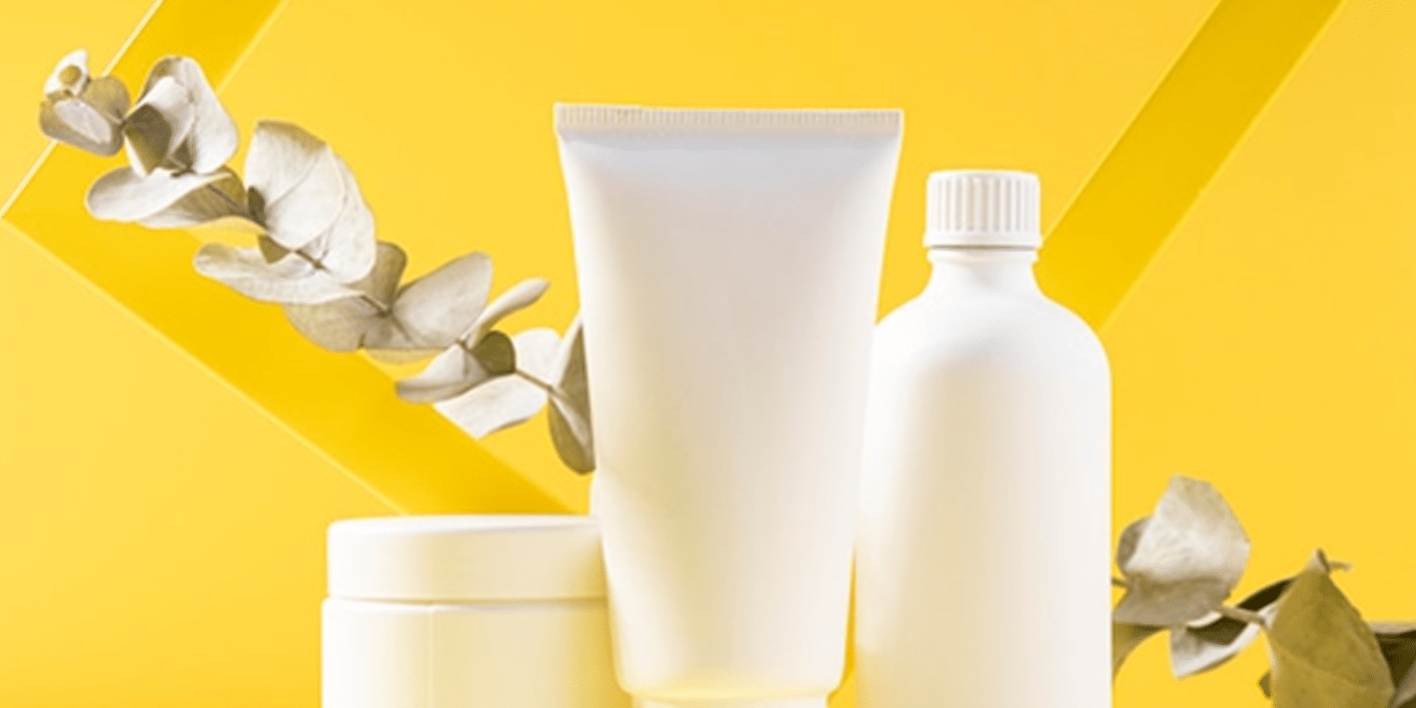
Skin care marketing strategies that increase online product sales determine whether a brand thrives in a competitive digital marketplace or struggles to gain visibility. Because the skin care industry continues to expand rapidly, new brands enter the market every month. Therefore, structured marketing strategy becomes essential. When skin care brands align SEO, paid advertising, content marketing, and conversion optimization, sales grow predictably rather than sporadically. Skin care marketing services are critical to creating momentum for skin care brands.
Although many skin care companies invest in product development and packaging, marketing execution often lacks coordination. In many cases, brands run social media ads without optimizing their website, publish content without targeting search intent, or launch email campaigns without segmentation. Consequently, traffic may increase, yet revenue remains inconsistent. Illumination Consulting helps skin care brands integrate Search Engine Optimization, Paid Advertising, Content Marketing, and Conversion Optimization into cohesive growth systems. When marketing channels align strategically, online sales increase steadily.
Understanding the Competitive Landscape in Skin Care
The skin care industry is saturated with both established and emerging brands. Therefore, differentiation must occur through visibility and positioning. When customers search for cleansers, serums, anti-aging solutions, or acne treatments, search engines and social platforms determine which brands appear first.
Moreover, consumer behavior favors research-driven purchases. Buyers read reviews, compare ingredients, and evaluate trust signals before purchasing. Consequently, marketing must provide both visibility and credibility. Brands that appear authoritative gain conversion advantages.
Strategic positioning improves online sales by:
-
Increasing brand recognition
-
Strengthening perceived authority
-
Supporting consumer confidence
Visibility drives trust.
Leveraging SEO to Capture High-Intent Buyers
SEO remains one of the most cost-effective channels for skin care growth. Therefore, brands must optimize product pages and blog content around high-intent keywords. When customers search for specific treatments or ingredient benefits, ranking organically captures demand without ongoing ad spend.
Additionally, long-tail keyword targeting improves conversion rates. For example, targeting “retinol serum for sensitive skin” attracts more qualified buyers than broad phrases. As targeting improves, traffic quality increases. Consequently, conversion performance improves.
SEO strengthens online sales by:
-
Driving organic traffic
-
Capturing purchase-ready searches
-
Building topical authority
Organic visibility compounds over time.
Creating Educational Content That Builds Authority
Education influences purchasing decisions. Therefore, content marketing plays a critical role in skin care marketing strategies that increase online product sales. When brands publish articles explaining ingredients, routines, and skin concerns, they position themselves as experts.
Moreover, educational content reduces hesitation. Consumers often fear irritation or ineffectiveness. As brands address concerns clearly, trust increases. Consequently, educational authority translates into higher conversions.
Educational content improves sales by:
-
Addressing buyer objections
-
Increasing dwell time
-
Supporting SEO depth
Authority builds credibility.
Using Paid Advertising Strategically
While SEO builds long-term growth, paid advertising accelerates visibility. Therefore, skin care brands should use paid ads strategically to promote high-margin products and seasonal campaigns. When ads align with landing pages, conversion improves.
Additionally, audience targeting increases efficiency. Platforms allow brands to reach consumers based on interest, behavior, and demographics. As targeting sharpens, cost per acquisition decreases. Consequently, paid advertising becomes profitable rather than experimental.
Paid advertising strengthens online sales by:
-
Driving immediate traffic
-
Testing new products
-
Scaling high-performing offers
Speed complements sustainability.
Optimizing Ecommerce Website Design for Conversions
Traffic without conversion limits growth. Therefore, ecommerce website optimization becomes essential. When product pages lack clarity, visitors hesitate. High-quality images, ingredient explanations, and benefit-driven copy increase trust.
Moreover, checkout optimization reduces abandonment. Simplified forms, transparent shipping details, and mobile-friendly design improve completion rates. As friction decreases, revenue increases. Consequently, conversion optimization multiplies marketing effectiveness.
Conversion optimization improves sales by:
-
Reducing bounce rates
-
Increasing average order value
-
Improving user experience
Design influences purchasing behavior.
Building Trust Through Social Proof and Reviews
Social proof significantly impacts skin care purchasing decisions. Therefore, brands must showcase reviews prominently. When buyers see authentic testimonials, skepticism decreases.
Additionally, user-generated content builds relatability. Featuring real customer results strengthens authenticity. As trust signals increase, conversion rates improve. Consequently, reputation becomes a competitive advantage.
Social proof strengthens online sales by:
-
Reducing buyer hesitation
-
Improving credibility
-
Increasing engagement
Trust drives purchasing confidence.
Leveraging Email Marketing for Retention and Upselling
Acquiring customers costs more than retaining them. Therefore, email marketing supports long-term growth. When brands segment customers by purchase behavior, messaging becomes more relevant.
Moreover, retention strategies increase lifetime value. Educational sequences, refill reminders, and product recommendations improve repeat purchases. As lifetime value increases, profitability strengthens. Consequently, email becomes a reliable revenue channel.
Email marketing improves online sales by:
-
Encouraging repeat purchases
-
Supporting product launches
-
Increasing average order value
Retention sustains growth.
Integrating Influencer and Social Media Marketing
Influencer partnerships accelerate trust. Therefore, strategic collaborations introduce products to engaged audiences. When influencers align with brand values, credibility increases.
Additionally, consistent social media engagement strengthens community. Educational posts, routine demonstrations, and live sessions improve interaction. As engagement increases, brand loyalty strengthens. Consequently, social visibility supports ecommerce growth.
Social marketing strengthens online sales by:
-
Expanding reach
-
Building community
-
Supporting credibility
Engagement reinforces authority.
Using Data to Refine Marketing Performance
Data-driven refinement improves results. Therefore, skin care brands must monitor performance metrics across channels. When analytics reveal drop-off points, adjustments follow.
Moreover, testing improves efficiency. A/B testing product pages, headlines, and ad creatives refines performance. As optimization continues, revenue grows incrementally. Consequently, data-driven marketing strengthens ROI.
Data optimization supports growth by:
-
Identifying high-performing channels
-
Reducing wasted spend
-
Improving conversion rates
Measurement guides improvement.
Competing in Los Angeles and Beyond
Los Angeles represents a competitive beauty market. Therefore, local targeting strategies complement national ecommerce growth. When brands optimize for regional keywords and audiences, visibility increases.
Additionally, local collaborations strengthen presence. Pop-ups, events, and partnerships reinforce brand awareness. As visibility grows locally, credibility improves nationally. Consequently, geographic strategy enhances overall growth.
Local strategy strengthens online sales by:
-
Building brand authority
-
Supporting regional SEO
-
Increasing targeted exposure
Local presence supports digital reach.
Long-Term Benefits of Integrated Marketing Systems
Fragmented marketing produces inconsistent results. However, integrated marketing creates compounding momentum. Therefore, skin care marketing strategies that increase online product sales must align channels intentionally.
Moreover, integrated systems reduce inefficiency. When SEO, paid ads, content, and email support one another, performance improves. Consequently, marketing becomes predictable rather than experimental.
Integrated systems support growth by:
-
Increasing channel synergy
-
Reducing wasted effort
-
Strengthening long-term ROI
Alignment drives scalability.
Q&A: Skin Care Marketing and Online Sales
| Question | Answer |
|---|---|
| Why is SEO important for skin care brands? | Because consumers research ingredients and solutions before buying. |
| Do paid ads replace SEO? | No, paid ads complement SEO by accelerating traffic. |
| What increases online sales most effectively? | Integrated marketing and optimized ecommerce design. |
Skin Care Marketing Strategies That Increase Online Product Sales
Increasing online product sales requires coordination, authority, and optimization. By implementing skin care marketing strategies that increase online product sales, brands strengthen visibility and conversion performance. Each channel contributes to sustainable revenue growth. When strategy replaces fragmentation, ecommerce becomes scalable.
Partner With Illumination Consulting for Skin Care Growth
Illumination Consulting provides expert skin care marketing services such as Search Engine Optimization, Paid Advertising, Content Marketing, and Conversion Optimization services designed to help skin care brands increase online product sales. Our team builds integrated marketing systems that drive visibility, engagement, and revenue. Contact Illumination Consulting to grow your skin care brand with clarity and confidence.