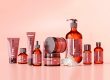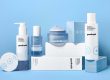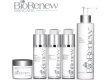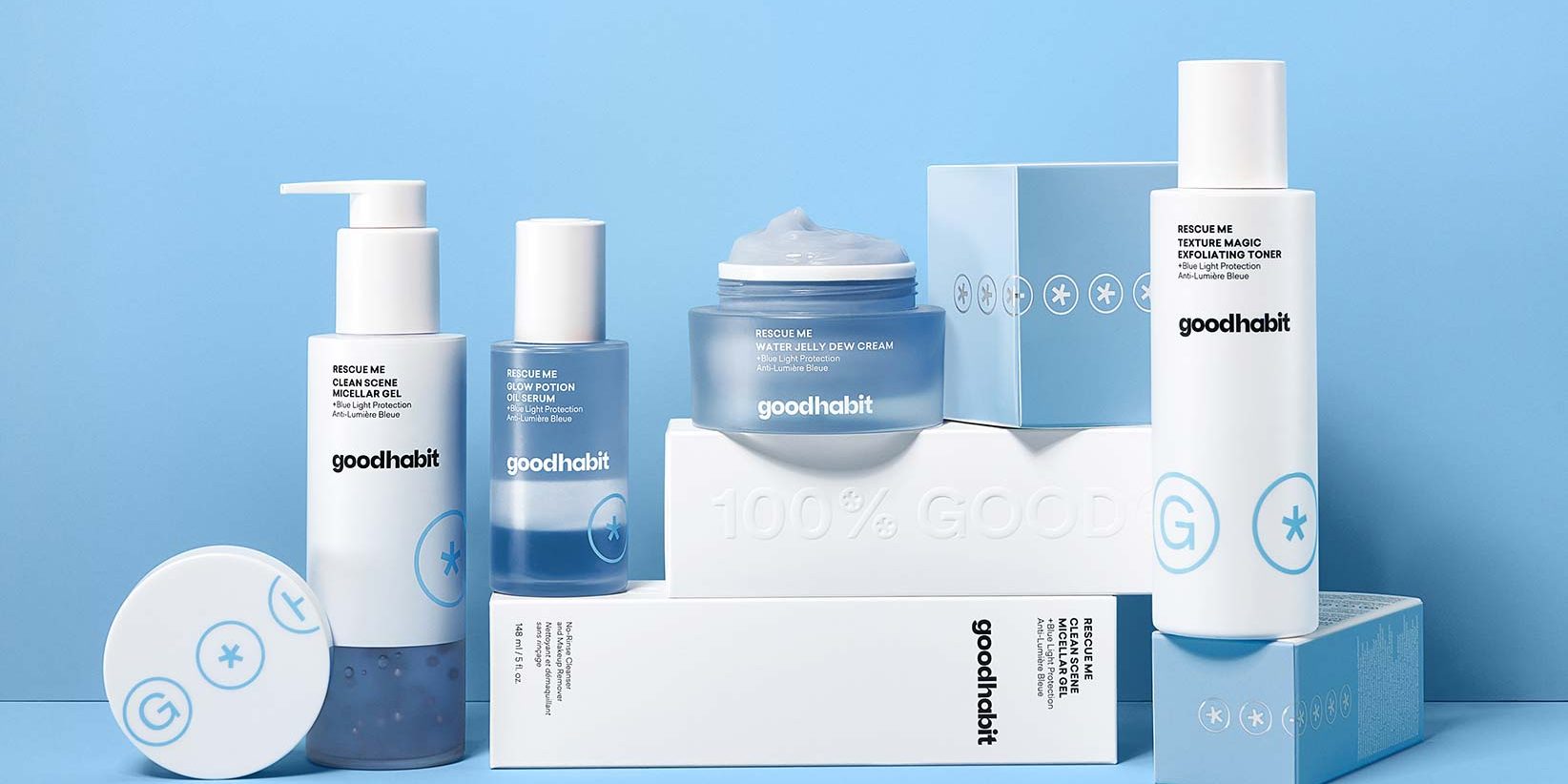
Skin care packaging design best practices that increase sales and brand authority influence purchasing decisions long before a customer reads ingredient lists. Because consumers in the beauty industry often make split-second judgments based on visual cues, packaging functions as a silent salesperson. Therefore, packaging must communicate trust, efficacy, and brand identity immediately. When structure, color psychology, typography, and material quality align strategically, packaging strengthens both retail and ecommerce performance.
Although many brands focus primarily on formula innovation, weak packaging undermines perceived value. In competitive markets such as Los Angeles, where premium positioning dominates the skin care space, presentation directly affects pricing power. Consequently, skin care packaging design best practices must integrate brand strategy, customer psychology, and marketing alignment. Illumination Consulting supports brands through Product Design Consulting, Skin Care Marketing, Retail Marketing, and Retail Ecommerce Website Design services designed to ensure packaging reinforces visibility and conversion systems. When packaging integrates with digital marketing strategy, revenue growth accelerates.
Understanding the Psychology of Packaging
Consumers associate packaging with product efficacy and safety. Therefore, skin care packaging design best practices must prioritize clarity and visual hierarchy. When labels highlight key benefits immediately, hesitation decreases.
Moreover, minimalist layouts often communicate clinical sophistication. Overcrowded labels create confusion. As clarity improves, credibility strengthens. Consequently, psychologically aligned packaging increases purchase confidence.
Psychology-driven packaging improves sales by:
-
Enhancing first impressions
-
Supporting perceived value
-
Reducing decision friction
Perception shapes purchasing behavior.
Aligning Packaging With Brand Positioning
Brand consistency strengthens authority significantly. Therefore, packaging must reflect brand messaging precisely. When color palettes and typography align with digital presence, recognition improves.
Additionally, differentiation requires strategic positioning. Luxury brands often use subtle, refined designs, while clean beauty brands emphasize transparency. As positioning sharpens, customer loyalty strengthens. Consequently, cohesive branding increases repeat purchase probability.
Brand-aligned packaging improves growth by:
-
Strengthening identity
-
Supporting recognition
-
Increasing competitive differentiation
Consistency builds trust.
Prioritizing Ingredient Transparency
Modern consumers demand clarity regarding ingredients and sourcing. Therefore, skin care packaging design best practices should incorporate readable ingredient lists and benefit statements. When transparency improves, skepticism decreases.
Moreover, certifications such as cruelty-free or dermatologist-tested reinforce credibility. Highlighting these attributes clearly enhances trust. As confidence increases, conversion improves. Consequently, transparent packaging supports higher price positioning.
Transparency improves authority by:
-
Increasing trust
-
Supporting informed decisions
-
Enhancing credibility
Clarity reduces hesitation.
Designing for Retail Shelf Impact
Retail environments require immediate visual impact. Therefore, packaging must stand out without appearing excessive. Strategic use of color contrast enhances shelf visibility.
Additionally, typography must remain legible at a distance. Clear benefit-driven taglines attract attention. As shelf differentiation improves, impulse purchases increase. Consequently, retail-focused packaging design strengthens in-store performance.
Retail optimization improves sales by:
-
Increasing shelf recognition
-
Supporting impulse buying
-
Enhancing competitive presence
Visibility drives engagement.
Optimizing Packaging for Ecommerce Presentation
Ecommerce visibility depends heavily on photography. Therefore, skin care packaging design best practices must consider digital presentation carefully. When products photograph clearly and reflect light effectively, online appeal improves.
Moreover, simplified design enhances mobile viewing clarity. Intricate patterns may blur on small screens. As ecommerce optimization improves, click-through rates increase. Consequently, packaging designed for digital channels enhances online sales.
Ecommerce-focused packaging improves performance by:
-
Increasing product click-through
-
Enhancing mobile visibility
-
Supporting digital branding
Digital clarity improves conversion.
Selecting Materials That Reinforce Brand Quality
Material choice influences perceived value directly. Therefore, premium packaging materials such as frosted glass or matte finishes communicate sophistication. When texture aligns with positioning, perceived quality strengthens.
Additionally, sustainability considerations impact consumer perception. Eco-friendly materials reinforce clean beauty positioning. As environmental awareness increases, responsible packaging improves loyalty. Consequently, material selection strengthens brand authority.
Material strategy enhances credibility by:
-
Supporting premium positioning
-
Aligning with sustainability values
-
Reinforcing tactile quality
Texture influences perception.
Balancing Aesthetic and Functional Design
Beautiful packaging must remain functional. Therefore, dispensing mechanisms, pump systems, and applicators require ergonomic consideration. When usability improves, customer satisfaction increases.
Moreover, clear instructions reduce misuse. Simple guidance enhances product effectiveness perception. As functional reliability strengthens, repeat purchase rates improve. Consequently, functional design supports long-term retention.
Functional excellence improves performance by:
-
Enhancing user experience
-
Supporting product longevity
-
Increasing customer satisfaction
Usability drives loyalty.
Integrating Packaging With Marketing Campaigns
Packaging should reinforce marketing narratives. Therefore, skin care packaging design best practices must align with advertising and website messaging. When campaigns emphasize hydration or anti-aging benefits, packaging should echo those claims visually.
Additionally, limited-edition packaging supports promotional campaigns. Seasonal updates create urgency. As marketing alignment strengthens, campaign effectiveness increases. Consequently, integration enhances revenue growth.
Marketing-aligned packaging improves ROI by:
-
Supporting campaign consistency
-
Increasing brand recall
-
Enhancing promotional impact
Alignment multiplies effectiveness.
Supporting Premium Pricing Through Design
Packaging directly influences pricing power. Therefore, premium brands must ensure visual presentation reflects elevated positioning. Under-designed packaging undermines perceived value.
Moreover, high-quality finishes justify higher price points. When customers perceive luxury, price resistance decreases. As positioning strengthens, margins improve. Consequently, strategic packaging enhances profitability.
Premium positioning improves revenue by:
-
Increasing perceived value
-
Reducing price sensitivity
-
Supporting higher margins
Presentation shapes valuation.
Differentiating in the Los Angeles Skin Care Market
Los Angeles consumers encounter hundreds of competing brands. Therefore, distinctive packaging becomes critical for visibility. Unique shapes or subtle design details improve memorability.
Additionally, highlighting local manufacturing or dermatologist partnerships enhances credibility. As differentiation improves, brand loyalty strengthens. Consequently, strategic packaging supports regional authority.
Regional differentiation improves competitiveness by:
-
Supporting local recognition
-
Strengthening brand identity
-
Increasing repeat purchase
Uniqueness enhances retention.
Long-Term Benefits of Strategic Packaging Design
Short-term packaging trends fade quickly; however, strategic alignment produces lasting impact. Therefore, skin care packaging design best practices must prioritize timeless sophistication over fleeting design fads.
Moreover, cohesive packaging reduces rebranding costs later. As visual identity remains consistent, marketing efficiency improves. Consequently, long-term design strategy enhances operational stability.
Sustainable packaging strategy delivers:
-
Stronger brand authority
-
Reduced redesign expenses
-
Improved customer retention
Systems outperform temporary trends.
Q&A: Skin Care Packaging Design
| Question | Answer |
|---|---|
| Why is packaging important in skin care? | Because it influences trust and perceived product efficacy. |
| Does packaging affect ecommerce sales? | Yes, strong visual clarity improves online conversion rates. |
| Should packaging align with marketing campaigns? | Yes, consistent messaging strengthens brand recognition. |
Skin Care Packaging Design Best Practices That Increase Sales
Skin care packaging design best practices that increase sales integrate psychology, branding, transparency, functionality, and marketing alignment. When packaging reinforces product credibility and digital visibility simultaneously, both retail and ecommerce performance improve. Strategic packaging transforms presentation into measurable revenue impact.
Partner With Illumination Consulting for Product Design Growth
Illumination Consulting provides expert Product Design Consulting, Skin Care Marketing, Retail Marketing, and Retail Ecommerce Website Design services designed to help skin care brands strengthen packaging impact and increase sales. Our team builds integrated brand systems that align packaging, marketing, and digital growth. Contact Illumination Consulting to elevate your packaging strategy and compete confidently.