By Illumination Consulting Editorial Team · Updated 2026-07-29
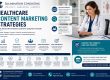
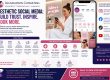
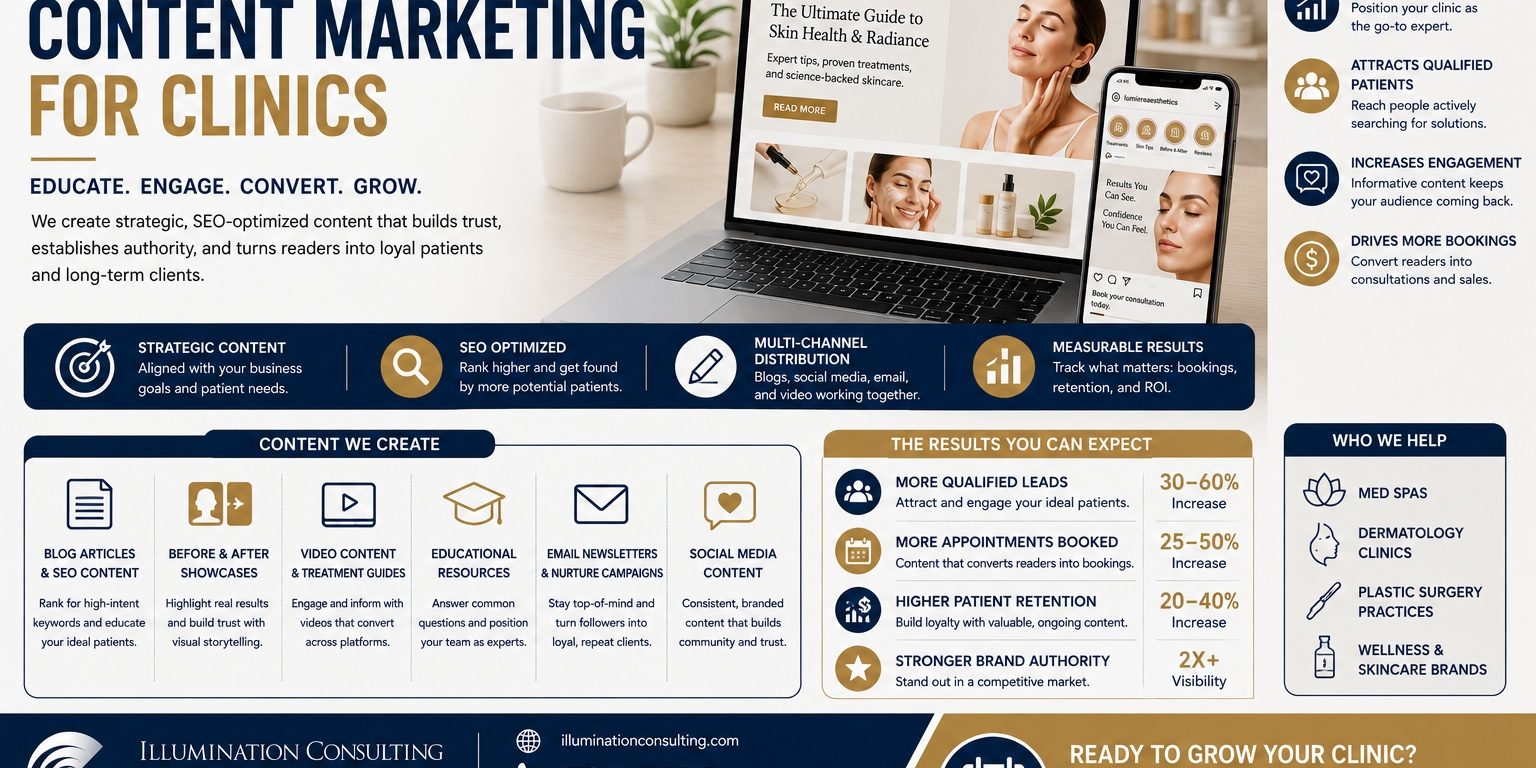
Illumination Consulting, based in Beverly Hills, CA, builds content marketing strategies for aesthetic clinics and skincare brands around before-and-after visuals, patient education, SEO-optimized blog content, and social proof. This approach establishes authority, drives qualified leads, and converts prospects into loyal, long-term clients.
Educational content builds authority faster than any other channel, since patients research ingredients and treatments before booking. Clinics should focus on 2-3 high-impact channels—Local SEO, Instagram, paid ads—while tracking cost per booking and client lifetime value, a methodology Illumination Consulting applies for clients from its Beverly Hills, CA headquarters.
Effective content marketing strategy for aesthetic clinics and skincare brands centers on educational, search-optimized content addressing treatments like Botox, fillers, and skincare routines before purchase decisions. Medspas and dermatology practices pair 2-3 core channels—Local SEO, Instagram, paid ads—with consistent publishing, converting engaged readers into consultations while tracking cost per booking and retention, not just followers.
Key Takeaways
- Educational content builds authority and attracts highly engaged audiences actively researching skincare ingredients and treatments.
- Focus on 2-3 high-impact channels like Local SEO, Instagram, and paid ads instead of spreading resources thin.
- Content marketing for aesthetic clinics requires tracking metrics that directly correlate to bookings and client retention rates.
- Illumination Consulting in Beverly Hills specializes in medical aesthetics marketing strategies for Botox, fillers, and laser procedures.
Why Do Skincare Brands Stall After Early Sales?
Early sales prove demand, not durability. Many skincare brands generate strong initial traction, then plateau before reaching real scale. Product quality is rarely the cause. The real gap sits in systems: no repeatable process exists to keep pulling in new customers, converting them, and bringing them back.
Growth without infrastructure looks impressive for a quarter and unpredictable for a year. Revenue swings based on which post went viral or which discount code moved. Content marketing for clinics and product brands alike depend on consistent, structured customer acquisition rather than one-off spikes.
What separates brands that scale from those that stall?
Scaling brands build complete ecosystems instead of chasing isolated tactics. A working clinic content strategy connects search visibility, content, and social channels so each piece reinforces the others rather than operating alone.
Why does educational content matter so much for skincare growth?
Buyers research ingredients and routines long before checkout. Skincare content marketing meets that research phase directly, positioning a brand as the trusted source.
- Relying on paid ads alone with no organic content foundation
- Publishing inconsistently instead of on a defined schedule
- Skipping retention content that brings buyers back for repeat purchases
Brands that fix these gaps convert early buzz into lasting, compounding growth.
What Content Actually Drives Bookings, Not Followers?
Bookings come from content that builds trust before a prospective patient ever calls the office. Aesthetic patients research treatments and consultations online long before scheduling anything, which makes discoverable content marketing for clinics a prerequisite for new patient volume, not an optional extra. cite-1 A clinic’s social feed often becomes a patient’s very first impression, formed weeks before they visit the website or dial the front desk.
Strong clinic content strategy work treats every post as proof of expertise. Content that shows real treatment outcomes, introduces providers by name, and answers the questions patients already have does more heavy lifting than generic promotional posts. Consistency matters here: sporadic posting fails to build the reputation that turns a scroller into a scheduled consult.
Does more content automatically mean more bookings?
No. Volume without positioning rarely converts. Content earns bookings when it establishes authority and builds affinity, not when it simply keeps a feed active.
What should clinics track instead of likes and followers?
Track outcomes, not vanity numbers. The metrics that matter include:
- Cost per booking
- Consultation conversion rate
- Patient retention over time
The same discipline applies to skincare content marketing. Product education and routine guidance replace treatment outcomes as the trust-building mechanism, but the bookings-first scorecard stays identical.
How Do You Build a Repeatable Content System?
A repeatable system pairs content development with SEO. Technical optimization, turning search traffic into booked consultations rather than one-time page views. cite-1 Growth for medspas, dermatology practices, and skincare brands rarely comes from isolated campaigns. Content marketing for clinics works best as part of a coordinated strategy that combines brand positioning, SEO, social media, paid advertising, conversion optimization, email, and retention initiatives. cite-2
Scattering effort across every channel drains budget without building traction. Clinics see stronger results concentrating on two or three high-impact channels, such as local SEO paired with one primary social platform, instead of chasing visibility everywhere at once.
What does a repeatable clinic content system actually include?
A functioning clinic content strategy rests on a few connected components:
- Educational content mapped to search intent and local SEO terms
- A consistent publishing cadence across blog, email, and one core social channel
- Automation that schedules and distributes content without manual rework each week
- Conversion pathways linking every piece back to a booking form or consultation request
Why does consistency matter more than volume?
Ongoing content interactions build trust over time. Prospective patients move from awareness to confidence gradually, then toward booking a consultation. cite-4 This same logic drives effective skincare content marketing: repeated, reliable value builds the confidence a single promotional post never will. Automation keeps that rhythm running without draining staff hours.
Seasonal Treatment Editorial Planning: Synchronizing Content with Aesthetic Cycles
Successful content marketing for clinics requires a deep understanding of the seasonality in patient demand. Aligning content calendars with aesthetic treatment cycles enhances engagement by offering timely, relevant information that resonates with patient needs and motivations throughout the year.
12-Month Aesthetic Content Calendar Overview:
- Fall (September – November): Focus on treatments suited for skin recovery during cooler months. Content themes include chemical peels, laser resurfacing, and pigmentation correction. Patients are primed to repair summer damage and prepare for upcoming winter routines.
- Winter (December – February): Emphasize healing and rejuvenation treatments such as microneedling, hydration therapies, and barrier repair. Educational collateral on maintaining skin health in cold climates and safe sun protection is critical.
- Spring (March – May): Highlight body contouring, laser hair removal, and preparation for warmer weather with content around detoxifying and slimming treatments. Content marketing can include seasonal lead magnet guides on post-procedure care for outdoor activities.
- Summer (June – August): Campaigns should concentrate on SPF use, barrier repair, non-invasive cooling treatments, and safe tanning alternatives. Educational posts addressing UV protection and prevention of photodamage are ideal.
This editorial planning ensures content production is proactive, guiding patients through their aesthetic journey with seasonally relevant education and calls to action that match treatment readiness cycles.
Mapping Content Across the Aesthetic Patient Decision Journey (TOFU, MOFU, BOFU)
Understanding and mapping content to the patient decision funnel stages enables clinics to deliver the right message at the right time, increasing the likelihood of engagement and conversion.
- Top of Funnel (TOFU) – Awareness and EducationAt this stage, patients are identifying symptoms, concerns, or desired outcomes. Content should be high-value, educational, and easily discoverable. Examples include symptom guides like “Understanding Adult Acne” or “What Causes Hyperpigmentation?” These deliver foundational knowledge and establish clinic authority.
- Middle of Funnel (MOFU) – Consideration and ComparisonProspective patients evaluate treatment options. Clinic content should provide detailed treatment comparison guides such as “Microneedling vs Fractional CO2 Laser: Which is Right for You?” or “Botox vs Fillers: Understanding the Differences.” This content drives informed decision-making and helps build affinity towards clinic offerings.
- Bottom of Funnel (BOFU) – Conversion and CommitmentContent focuses on removing barriers to booking. Clear pricing transparencies, recovery timelines, and consultation preparation checklists help patients finalize their decision. Examples might include “What to Expect After Your Botox Appointment” or “How to Prepare for Your Laser Hair Removal Session.” This content reduces uncertainty and nudges prospects toward booking consultations.
By strategically deploying content mapped to these funnel stages, clinics guide patients smoothly from awareness through to commitment, maximizing the effectiveness of marketing efforts.
Multi-Format Content Repurposing Engine: 1 Pillar Article into 10 Assets
Efficient content repurposing is crucial to maximizing reach while conserving resources. Here’s a step-by-step workflow to transform a comprehensive clinical pillar article into multiple asset types:
- Create the Pillar Article: Develop an authoritative, SEO-optimized article covering a clinical topic in-depth (e.g., “The Comprehensive Guide to Chemical Peels: Benefits, Risks, and Results”).
- Instagram Reels Scripts (3): Break down the article into three short scripts focusing on key engaging points — e.g., treatment benefits, common myths debunked, and patient FAQs.
- Patient Email Newsletter (1): Extract key insights and updates to craft a patient-friendly newsletter discussing the topic, including calls-to-action for consultations or seasonal promotions.
- Visual Carousels (2): Design carousel posts summarizing treatment steps and before/after care tips, optimized for social engagement with visuals and concise text.
- Consultation Room One-Sheet (1): Create a printable or digital handout that clinicians can use to educate patients face-to-face, reinforcing online messaging with streamlined information.
- FAQ Snippet Blocks for Google Search (3): Derive concise Q&A format snippets to improve search visibility and address common patient questions directly in search results.
This multi-format repurposing engine ensures consistent branding and messaging across channels while addressing patient needs at different touchpoints.
Medical E-E-A-T Editorial Review Board Protocols & Clinical Fact-Checking
Establishing stringent editorial and clinical review standards is paramount to maintaining credibility, compliance, and trust in medical aesthetics content.
- Editorial Review Board Formation: Constitute a formal board including nurse practitioners, medical directors, and experienced clinicians to oversee content accuracy and relevance.
- Fact-Checking and Citation Standards: All clinical claims must be cross-verified with reputable sources, peer-reviewed studies, and established clinical guidelines. Citations should be transparent and accessible.
- Reviewer Stamps and Disclosures: Incorporate visible medical reviewer stamps or disclaimers on all published content, noting the review date and responsible professionals.
- Pre- and Post-Procedure Educational Collateral: Develop standardized collateral reviewed by medical experts ensuring patients receive safe, evidence-based instructions in all communication formats.
- Ongoing Training and Updates: The editorial team should engage in continuous education to keep abreast of new treatments, safety protocols, and regulatory changes.
Adopting an E-E-A-T (Experience, Expertise, Authoritativeness, Trustworthiness) medical review process elevates content quality, supports SEO performance, and safeguards patient safety and clinic reputation.
FAQ
What channels should aesthetic clinics prioritize for content marketing?
Clinics focus on 2-3 high-impact channels—Local SEO, Instagram, and paid ads—paired with consistent publishing, rather than spreading resources across every platform available.
Why do skincare brands plateau after initial success?
Early sales prove demand but not durability. Brands stall without repeatable systems for acquiring, converting, and retaining customers, leaving revenue dependent on viral spikes.
What metrics matter most for aesthetic clinic content marketing?
Clinics track cost per booking and client lifetime value or retention. These metrics directly correlate to bookings rather than vanity metrics like follower counts.
Facts
- Illumination Consulting is located in Beverly Hills, CA, USA.