Starting a retail business in Los Angeles presents both exciting opportunities and real challenges. Because this city is a hub of fashion, lifestyle, and innovation, it attracts ambitious entrepreneurs. However, competition is fierce. If you want your retail store to stand out, you need a well-defined strategy, effective marketing, and long-term planning. Resources for starting a retail business in Los Angeles. Guidelines for success and growth. Work with retail experts for best results.
Understand the Local Market
Before launching your retail business in Los Angeles, you must conduct thorough local market research. This should include studying neighborhoods, foot traffic, demographics, and competitor stores. For example, opening a boutique in Beverly Hills differs greatly from setting up shop in Echo Park. Therefore, identifying the right location early can prevent costly mistakes.
Furthermore, explore trends in your niche. Whether you are selling clothing, home goods, beauty products, or wellness items, understanding what Los Angeles consumers want matters. Social media can offer clues. So can walking popular shopping districts and talking to potential customers. This groundwork creates a strong foundation for success.
Choose the Right Business Structure
When launching your retail venture, choosing the appropriate legal structure is essential. Many startups register as LLCs for tax benefits and liability protection. However, you may also consider sole proprietorship, partnership, or S corporation based on your goals. Because regulations vary, it’s wise to speak with a business consultant or attorney. They will help you structure the business properly from day one.
Registering your business with the city and getting the necessary permits is also critical. If you plan to sell products physically, you’ll need a seller’s permit. If you’re opening a storefront, zoning laws apply. Therefore, research local ordinances and compliance standards early to avoid delays.
Create a Business Plan That Works
Every successful retail business begins with a solid business plan. This document guides your decisions and helps attract partners or funding. It should include a clear mission, financial forecasts, competitive analysis, operations plan, and marketing strategy.
A strong business plan also outlines how you will handle inventory, staffing, and customer service. Because your plan serves as a roadmap, refer to it regularly. Update it as your store grows. This disciplined approach keeps you focused and aligned with long-term goals.
Design a Retail Space That Sells
Your retail location must do more than house your products. It needs to create an experience that attracts and retains customers. Lighting, layout, signage, and branding all play a role in conversion rates. Therefore, working with a store designer or visual merchandiser can pay off.
Make sure your storefront is clean, welcoming, and easy to navigate. Consider how customers move through the space. Position high-margin items where they’re most visible. Most importantly, ensure your space aligns with your brand’s identity. Retail stores that offer immersive, on-brand experiences tend to generate better results.
Build a Strong Brand Identity
Your brand is more than a logo. It is the emotional and visual representation of your store’s mission and values. In a diverse city like Los Angeles, a clear brand identity helps you connect with your ideal customer. Develop a strong logo, color palette, tagline, and tone of voice. Use these consistently across every channel.
Because customers want to shop with businesses they trust and admire, branding is crucial. From your signage to your Instagram feed, everything should align. When done well, your brand builds loyalty and attracts media coverage, influencers, and repeat customers.
Embrace Omnichannel Retailing
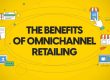
Retail success in 2025 demands more than a physical location. Consumers expect to shop wherever they are. As a result, offering both in-store and online options is essential. Set up an e-commerce store alongside your retail location. Ensure your inventory syncs across platforms so customers have accurate information.
In addition, take advantage of in-store pickup, local delivery, and mobile payment systems. These conveniences improve customer satisfaction and increase sales. Retailers that offer flexible, tech-integrated experiences are much more likely to succeed in Los Angeles and beyond.
Use Marketing That Drives Results
Marketing your retail business in Los Angeles requires a strategic blend of digital and local tactics. While social media is powerful, it’s just one piece. Consider combining organic content, paid ads, influencer partnerships, email marketing, and local press outreach. This multi-channel approach increases visibility and credibility.
Because LA is saturated with brands, standing out requires more than generic campaigns. Focus on storytelling, visual branding, and community building. Host events or workshops at your store. Collaborate with local creators or causes. Personal engagement builds trust and repeat business.
Focus on Customer Experience
Customer service plays a huge role in retail success. The best retail businesses don’t just sell—they serve. Train your staff to be helpful, knowledgeable, and enthusiastic. Create systems for returns, loyalty programs, and follow-up emails. A positive experience often leads to word-of-mouth referrals and five-star reviews.
Additionally, listen to customer feedback. Use surveys, in-person comments, and online reviews to identify areas for improvement. Acting on this feedback quickly shows you care and builds trust. Many of the top stores in Los Angeles became successful because they put the customer first in every interaction.
Hire the Right People
Your team represents your business. Therefore, every hire should reflect your brand’s values and goals. In a competitive retail landscape, customer-facing staff must be well-trained, friendly, and aligned with your mission. Take time to hire carefully and onboard properly.
Once hired, invest in training and professional development. Employees who feel valued deliver better service and stay longer. While turnover is common in retail, it can be reduced by creating a positive work environment and clear expectations. This stability helps maintain consistent operations and customer satisfaction.
Monitor Finances Closely
Retail businesses in Los Angeles face high operational costs. Rent, wages, inventory, and marketing can quickly eat into profits. For this reason, tracking your finances closely is essential. Use accounting software to monitor income, expenses, taxes, and profit margins.
Meet with a business consultant or financial advisor regularly. They can help you set pricing strategies, manage seasonal changes, and optimize cash flow. Many great stores fail because they ignore their numbers. Stay disciplined with budgeting, and you’ll gain a stronger foundation for growth.
Stay Ahead of Trends
Los Angeles is a trend-driven market. What’s popular today may fade tomorrow. To stay competitive, retailers must keep up with consumer behavior, product innovation, and industry news. Follow thought leaders, attend trade shows, and talk with other business owners.
Incorporate new ideas regularly, but do so strategically. Trends should align with your brand’s mission and audience. Being too trendy can dilute your identity. Instead, focus on timeless service and experiences, then layer in trend elements that enhance—not replace—your brand strategy.
Get Help from Business Consultants
Starting a retail business in Los Angeles can be overwhelming. Working with experienced business consultants gives you an edge. They can assist with business planning, marketing strategies, website development, branding, and more. Because their outside perspective is based on experience, they can help you avoid common mistakes.
Moreover, consultants hold you accountable to your goals. When you have guidance from retail experts, you make better decisions and scale faster. Whether you are just starting or need help growing, their support can improve your outcomes dramatically.
Resources for starting a retail business in Los Angeles. Guidelines for success and growth. Work with retail experts for best results.