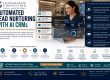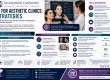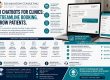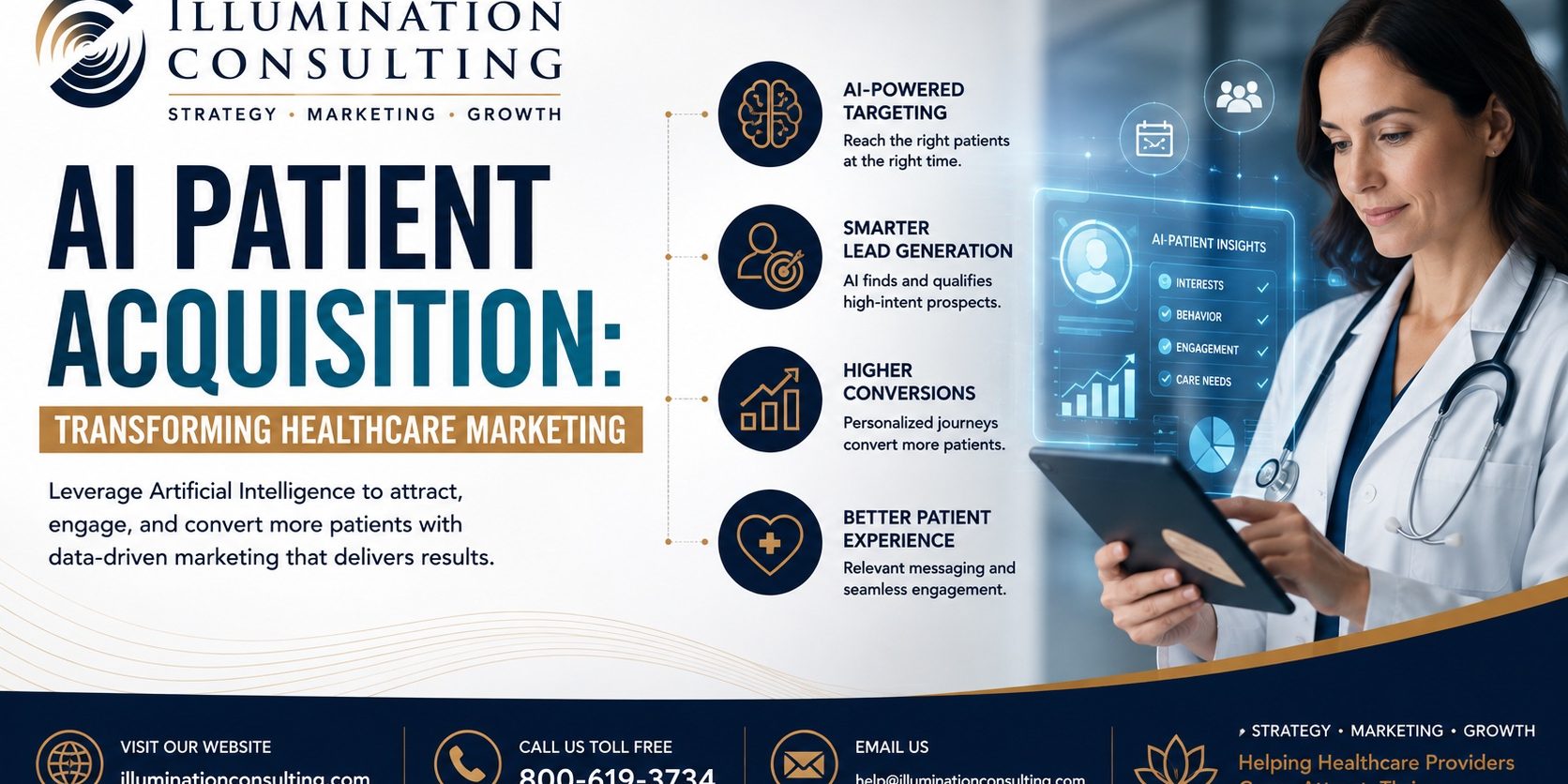
For ai patient acquisition, artificial intelligence improves patient acquisition by automating lead response, personalizing outreach based on search behavior, and predicting which prospects convert into booked appointments. Machine learning models, built on large patient-data sets, refine targeting for aesthetic and healthcare marketing campaigns. Combined with SEO and AI-driven insights help clinics attract qualified local patients and reduce wasted ad spend across channels.
Key Takeaways
- AI-powered predictive analytics identify high-risk patients before they seek care, enabling proactive outreach and enrollment.
- Machine learning algorithms personalize treatment recommendations, increasing patient satisfaction and retention rates significantly.
- Automated diagnostic assistance accelerates clinical decision-making, reducing appointment wait times and improving patient experience metrics.
- AI chatbots handle initial patient inquiries 24/7, qualifying leads and scheduling consultations without staff intervention.
Why Are Patients Researching Before They Book?
Patients research providers extensively before scheduling any consultation or procedure. Aesthetic and medical patients compare credentials, reviews, and treatment options across multiple websites long before picking up the phone. This shift changes how clinics must compete for attention. It raises the stakes for practices that rely on outdated marketing tactics.
Provider shortages are accelerating this behavior. Long wait times already worsen patient outcomes. Projections point to a shortfall of up to 11 million health workers globally by 2030. Fewer available appointments push patients toward self-directed research, meaning the practices that show up first in search results capture the demand.
Where Do Patients Look First When Choosing a Provider?
Local search visibility and Google Maps rankings decide which practices patients discover before ever visiting a website. Clinics missing from these results lose consultations to competitors who invested in local search authority.
What Happens After a Patient Finds a Clinic Online?
Discovery alone does not guarantee a booking. Strong SEO and content systems convert that search traffic into scheduled consultations rather than abandoned inquiries. This is where ai patient acquisition strategies matter most, turning passive browsing into measurable growth through:
- Optimized local listings and map rankings
- Conversion-focused website content
- Technical performance improvements that reduce drop-off
- Follow-up systems that capture undecided visitors
Practices without these systems in place risk losing patients to competitors at every stage of the research process.
AI-Driven Predictive Lead Scoring for Enhanced Patient Conversion
AI sharpens lead scoring by ranking prospective patients according to intent, behavior, and treatment fit, then triggering follow-up sequences timed to match urgency. Ai lead scoring clinic systems apply the same pattern already proven in clinical settings. Machine learning assists diagnosis, treatment selection, and patient monitoring by processing operational and behavioral data at scale. That same data-processing capacity, redirected toward marketing, identifies which inquiries deserve immediate outreach and which need nurturing over weeks.
Precision medicine offers a useful parallel. Personalized treatment approaches have improved outcomes across diverse patient groups by matching interventions to individual profiles rather than treating every case identically. Lead scoring works on that same logic: instead of every website form filling out equally, each lead gets weighted by signals like service page visited, response speed, and prior engagement.
What Makes A Lead “High-Intent” For A Med Spa Or Clinic?
High-intent signals typically include repeat visits to pricing or procedure pages, consultation form completions, and fast reply times to text or email outreach. Scoring models weigh these behaviors against demographic and channel data to rank leads before staff ever pick up the phone.
Does Lead Scoring Replace Front-Desk Follow-Up?
No. Scoring prioritizes the queue; staff still close the conversation. Effective ai marketing med spa programs pair automated ranking with coordinated follow-up across SEO, paid campaigns, and email retention efforts. No single channel drives qualified ai patient acquisition alone.
Automated Multi-Channel Nurturing: Speed-to-Lead Workflows Across SMS and Email
Speed-to-lead automation is a critical performance driver in AI patient acquisition strategies, significantly boosting conversion rates by responding to prospective patient inquiries within a sub-5-minute window. Automated workflows utilize conversational AI to engage leads instantly via SMS and email, capitalizing on high-intent moments when patient interest peaks. For aesthetic patients researching treatments like Botox or lip fillers, prompt personalized interaction builds trust and reduces drop-off.
Dynamic calendar booking links embedded in SMS and email communications allow prospects to instantly schedule consultations at their convenience, minimizing friction in the booking process. These links update availability in real-time, offering a seamless experience that accelerates conversion velocity.
Furthermore, missed-call text-back mechanisms capture leads who attempt immediate contact without reaching staff—automatically sending SMS follow-ups with personalized offers or prompt callback options to nurture the lead effectively. By leveraging omnichannel responsiveness, clinics maintain continuous engagement, increasing patient acquisition velocity and maximizing lead lifecycle value.
Algorithmic Audience Segmentation & Ad Budget Allocation
Successful AI-driven patient acquisition campaigns deploy algorithmic ad budget allocation to dynamically shift spend across platforms based on real-time performance metrics. High-intent Google Search campaigns capture patients actively seeking treatments, Meta Ads leverage rich visual storytelling for consideration stages, and TikTok targets top-of-funnel awareness with engaging short-form video content. AI models analyze campaign KPIs such as CTR (click-through rate) and CPA (cost per acquisition) to continuously reallocate budgets toward highest ROI channels.
Dynamic creative optimization (DCO) complements budget allocation by automatically generating, testing, and scaling creative ad variations. This includes adjusting images, headlines, calls to action, and offers to ascertain which combinations perform best for different patient segments and platforms. The constant feedback loop informed by machine learning ensures content remains fresh, resonant, and optimized for conversion.
Together, algorithmic budget control and DCO empower clinics to maximize ad efficiency while minimizing wasted spend, fueling sustainable growth in patient bookings.
Patient Lifetime Value Optimization Through Full-Funnel Multi-Touch Attribution
Understanding the full panorama of a patient’s journey requires omnichannel attribution modeling to map each touchpoint from initial ad exposure through to consultation and beyond. Clinics employ multi-touch attribution frameworks such as W-shaped, linear, and advanced data-driven models to accurately assign credit across search, social, email, and paid media channels.
By linking initial digital ad clicks and subsequent website interactions to EMR conversion tracking data, marketing teams quantify not only first-time bookings but also ongoing patient lifetime value (LTV). AI-driven LTV forecasting analyzes historical patient behavior, treatment patterns, and retention metrics to predict long-term revenue contributions from distinct cohorts.
These insights enable savvy reallocations of marketing resources toward channels and campaigns that drive the most profitable patient segments. Additionally, full-funnel attribution identifies potential drop-off points where interventions such as automated review aggregation or personalized outreach can boost retention and repeat visits.
Why Does AI Marketing Matter For Clinic Growth?
Clinics should build a coordinated acquisition system rather than chase isolated tactics. AI patient acquisition works best when SEO, technical optimization, and content development operate together, converting search interest into booked consultations instead of abandoned visits.
Marketing directors evaluating next steps should prioritize three areas:
- Website conversion strength — traffic means little if the site fails to turn visitors into scheduled appointments
- Organic growth infrastructure — reduces long-term dependency on paid ads for new patient volume
- Efficient lead handling — critical given projected shortages of up to 11 million health workers globally by 2030
Why Does Lead Scoring Matter For Clinic Growth?
An ai lead scoring clinic approach ranks incoming inquiries by booking likelihood, letting staff focus attention where it matters most. Front-desk teams facing workforce shortages cannot manually chase every lead with equal effort. Scoring systems close that gap.
Is AI Marketing Worth Adopting Now?
Practices testing ai marketing med spa tools alongside strong technical SEO see faster conversion cycles than those relying on advertising alone. Workforce constraints make efficiency non-negotiable. Clinics that pair automation with a conversion-focused website position themselves ahead of competitors still depending on paid traffic to fill the calendar.
FAQ
How does AI improve patient acquisition for healthcare providers?
AI automates lead response, personalizes outreach based on search behavior, and predicts which prospects convert into booked appointments. Illumination Consulting applies these machine learning insights alongside SEO and conversion-focused website design to attract qualified local patients.
How does AI improve lead scoring and follow-up for clinics?
AI ranks prospective patients by intent, behavior, and treatment fit, then triggers follow-up sequences timed to match urgency. This redirects the same data-processing capacity used in clinical settings toward identifying which inquiries need immediate outreach versus nurturing.
What role do AI chatbots play in patient acquisition?
AI chatbots handle initial patient inquiries 24/7, qualifying leads and scheduling consultations without requiring staff intervention. This ensures practices capture and convert search traffic into scheduled consultations rather than losing prospects to competitors.