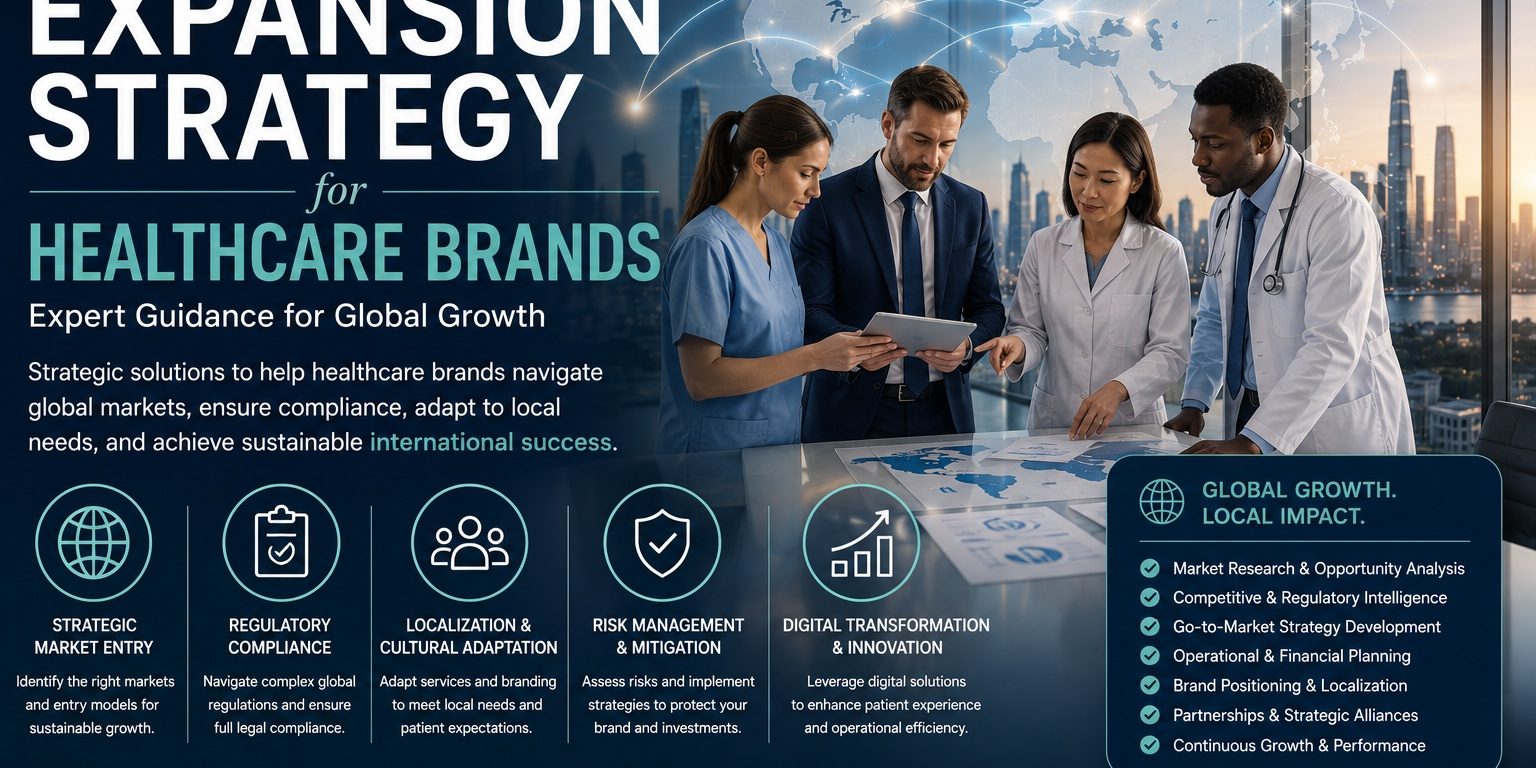
Expanding healthcare brands internationally presents a unique set of challenges and opportunities. As the global healthcare landscape evolves, brands must adopt strategic, structured approaches to navigate diverse markets effectively and sustainably. This comprehensive article delves into the essential international expansion strategy for healthcare brands, emphasizing robust operational frameworks, multi-layered compliance, localization of medical aesthetic services, international supply chain logistics, and cutting-edge digital patient acquisition. Readers will gain detailed insights into assessing target markets, validating local clinical partners, ensuring compliance with international and regional healthcare laws including GDPR and HIPAA equivalents, and tailoring brand positioning with cultural precision across multiple regions. A special focus is given to the deployment of scalable digital health technologies and the integration of global supply chains to optimize operational efficacy and patient experience. By applying these strategic pillars, healthcare brands can confidently and compliantly expand their footprint in the dynamic global healthcare arena.
International Market Entry Frameworks for Healthcare Brands

Healthcare brands aiming to expand med spa internationally or execute a global clinic strategy must implement structured operational frameworks to ensure effective entry and sustained growth. Key market entry frameworks include:
- Direct Investment (Greenfield Operations and Acquisitions): Establishing wholly owned subsidiaries or acquiring existing facilities to maintain full control over clinical protocols, branding consistency, international cross-border patient journey, and quality assurance. Though capital intensive, this allows brands to deeply embed in local markets and customize offerings precisely.
- Joint Ventures and Strategic Alliances: Forming partnerships with established local healthcare providers or organizations enables leveraging local market intelligence, patient demographics, regulatory navigation, and cultural nuances. Such alliances accelerate accreditations, licensing approvals, and trust-building in complex healthcare landscapes.
- Franchising and Licensing Models: Deploying franchise agreements empowers vetted local operators and clinical entrepreneurs, facilitating scalable growth. This model reduces upfront investment risks, harnesses local business expertise, and supports implementation of multilingual SEO and culturally tailored marketing campaigns to expand patient acquisition.
Operationalizing these frameworks entails rigorous market due diligence, competitor benchmarking, and strategic fit validation, underpinning a robust international expansion plan.
Robust Validation of Local Clinical Partners and Providers
Successful partnerships require rigorous and multi-dimensional validation protocols that focus on:
- Credential Verification: Authenticate medical qualifications, certifications, licensure, and adherence to local and international clinical standards.
- Operational Capability Assessment: Evaluate infrastructure quality, technology integration, patient outcomes, and audit performance metrics to ensure service excellence.
- Regulatory Compliance Record: Analyze historical compliance with local healthcare laws, patient safety guidelines, and accreditation achievements.
- Cultural and Ethical Compatibility: Confirm alignment on patient privacy, clinical ethics, care philosophy, and community engagement approaches.
Implementing these validation steps minimizes risks, ensuring trustworthy collaboration and consistent care delivery in diverse markets.
Comprehensive Global Healthcare Regulatory Compliance and Cross-Border Legal Considerations

Healthcare brands must navigate a complex web of international healthcare regulations with precision to maintain lawful, ethical, and effective operations across borders. This multi-faceted compliance scope involves:
- Country-Specific Healthcare Practice Regulations: Grasping local licensing mandates, medical scope definitions, clinical protocols, and safety standards that vary internationally.
- Data Privacy and Security Laws including GDPR, HIPAA, and Equivalents: Establishing robust patient data protection mechanisms, consent management, secure cross-border data transfers, and compliance with both sector-specific and overarching privacy laws.
- International Accreditation and Certification: Securing esteemed credentials such as Joint Commission International (JCI), ISO healthcare standards, and applicable national accreditations to validate quality and safety.
- Advertising and Marketing Regulations for Healthcare Services: Adapting campaigns to comply with local advertising laws halting misleading claims, managing patient testimonials sensitively, and following ethical promotion guidelines.
- Telemedicine and Cross-Border Telehealth Legal Frameworks: Understanding licensing reciprocity arrangements, reimbursement frameworks, jurisdictional restrictions, and liability considerations for virtual care delivery.
- International Supply Chain Compliance: Managing regulatory adherence for procurement, import/export of medical devices, pharmaceuticals, and supplies, including customs clearance and quality assurance standards.
Structured compliance strategies reduce legal exposure, safeguard patient trust, and enable seamless delivery of international healthcare services.
Strategies to Navigate and Stay Updated on Dynamic Healthcare Regulations
- Engaging Specialized Local Legal and Regulatory Counsel: Collaborate with healthcare law experts who provide market-specific guidance aligned with global standards.
- Implementing Comprehensive Compliance Management Systems: Deploy automated platforms that monitor regulatory changes, manage documentation, and support audit readiness.
- Continuous Education and Training Programs: Regularly upskill staff and partners on evolving regulations, privacy policies, and operational best practices.
- Active Participation in Industry Associations and Regulatory Forums: Leverage collective knowledge and advocacy to anticipate and influence international healthcare policy trends.
Localization and Multi-Regional Brand Positioning of Medical Aesthetic Services in Healthcare Marketing
Expanding medical aesthetic services globally requires nuanced localization and multi-regional brand positioning that authentically resonate across diverse cultures and healthcare ecosystems. This includes:
- Localization of Clinical Services: Modify treatment protocols, patient education content, and clinical care models to reflect local medical guidelines, cultural health beliefs, disease prevalence, and patient expectations.
- Cultural Adaptation of Communication and Marketing: Craft multilingual SEO strategies, culturally relevant content, and marketing campaigns tailored to local healthcare priorities and societal norms, enhancing trust and patient engagement.
- Patient-Centered Multilingual Support: Provide culturally competent staff, user-friendly interfaces, and multilingual patient services to overcome language barriers and foster loyalty.
- Multi-Regional Brand Consistency: Balance global brand identity with local customization, ensuring coherent messaging that respects regional sensitivities while reinforcing brand values.
These concerted efforts drive superior patient satisfaction, augment brand reputation, and sustain market presence across regions.
Best Practices for Adapting Healthcare Marketing and Service Delivery
- Comprehensive Market Research: Perform deep qualitative and quantitative studies to map local healthcare behaviors, expectations, and decision-making patterns.
- Strategic Collaboration with Local Healthcare Stakeholders: Engage health authorities, professional societies, and community leaders to align offerings with public health priorities.
- Customized Digital Ecosystem Development: Leverage regionally dominant social platforms, search engines, and communication tools optimized with local languages and cultural relevance.
- Integration of Advanced Multilingual SEO: Deploy targeted keyword strategies and localized content to enhance search visibility and patient acquisition across diverse languages.
International Supply Chain Management and Global Digital Patient Acquisition
Effective international expansion mandates orchestrating a resilient, compliant global supply chain and adopting sophisticated digital patient acquisition strategies, which together drive seamless operations and market growth.
- Supply Chain Frameworks for Healthcare Expansion:ComponentKey ConsiderationsStrategic ActionsProcurementQuality standards, vendor vetting, regulatory complianceEstablish approved supplier lists, conduct audits, ensure compliant sourcingLogisticsTimely delivery, customs clearance, cold chain managementPartner with experienced logistics firms, leverage technology for trackingInventory ManagementStock optimization, expiry control, multi-site synchronizationImplement digital inventory systems with real-time updatesRegulatory ComplianceImport/export licenses, product approvals, safety standardsMaintain compliance documentation, monitor regulatory changes
- Global Digital Patient Acquisition Strategies:Deploy data-driven, targeted digital marketing campaigns utilizing multilingual SEO to attract diverse patient populations.Engage international audiences via region-specific social media, influencer partnerships, and localized content marketing.Leverage analytics and CRM platforms to nurture patient relationships, personalize communications, and optimize conversion funnels.Integrate telemedicine solutions and virtual consultations as entry points, expanding reach and convenience.
These frameworks ensure efficient resource flow and dynamic patient acquisition aligned with international growth objectives.
Cross-Border Telemedicine and Digital Health Technologies to Enhance International Operational Scalability
The strategic deployment of digital health innovations, particularly telemedicine, represents a critical enabler for healthcare brands seeking to scale across borders by elevating accessibility, operational efficiency, and patient experience.
- Cross-Border Digital Marketing: Implement precision-targeted online advertising, engaging content, and multilingual SEO to attract and retain international patients while respecting local digital norms.
- Operational Scalability Through Technology: Utilize standardized digital workflows, cloud-based patient management systems, interoperability platforms, and compliance automation to efficiently manage multi-country operations.
- Telehealth Services Integration: Offer virtual consultations, remote diagnostics, and digital therapeutics to overcome geographic barriers and extend care reach.
- Advanced Analytics and AI: Deploy data analytics and AI-driven clinical decision support to optimize personalized care and resource allocation internationally.
These technological interventions provide healthcare brands with distinct competitive advantages in rapidly evolving global markets.
Key Benefits and Implementation Considerations for Cross-Border Telemedicine
- Improved Global Accessibility: Facilitates care access for patients in underserved and remote regions without travel burdens.
- Cost Efficiency: Reduces operational overhead and patient expenses through virtual visits and remote monitoring.
- Enhanced Continuity of Care: Supports chronic disease management and follow-ups via persistent patient-provider connectivity.
- Regulatory and Security Compliance: Ensures adherence to telehealth regulations across jurisdictions, secure encrypted data transmission, and robust patient consent protocols.
- Scalability and Flexibility: Enables rapid launch and adjustment of services based on market demand and regulatory shifts.
Advanced Digital Tools Supporting Compliance and Operational Efficiency in Global Healthcare Delivery
- Compliance Management Software: Automates intricate cross-border regulatory tracking, audit documentation, and risk mitigation workflows.
- Secure Telehealth Platforms: Deliver HIPAA, GDPR-compliant virtual healthcare with advanced encryption, identity verification, and secure data storage.
- Data Analytics and Clinical Decision Support Systems: Empower personalized clinical pathways, predictive analytics, and optimized resource utilization drawn from comprehensive patient data.
Risk Management and Legal Frameworks for Cross-Border Healthcare Brand Expansion
Effective risk management frameworks are vital to address operational, legal, financial, and reputational risks inherent in international healthcare expansion. Structured frameworks should include:
- Comprehensive Operational Risk Assessment: Identify supply chain vulnerabilities, staffing challenges, technological risks, clinical quality assurance gaps, and cybersecurity threats.
- Legal Risk Mitigation Strategies: Draft clear, enforceable contracts with jurisdictional clarity, define liability and indemnification, and secure legal coverage for diverse regulatory environments.
- Intellectual Property (IP) Protection: Proactively register trademarks, patents, proprietary clinical protocols, and digital assets; monitor violation risks and enforce rights globally.
- Financial and Reputational Risk Controls: Maintain appropriate insurance policies, crisis communication plans, and brand integrity safeguards.
Such comprehensive risk frameworks bolster resilience and underpin consistent, compliant global healthcare operations.
Common Legal Pitfalls in International Healthcare Operations and Preventive Measures
- Non-Compliance Penalties: Arising from misunderstandings or ignorance of local laws, resulting in fines or operational restrictions.
- Contractual Disputes: Caused by ambiguous terms or jurisdictional conflicts disrupting partnerships and operations.
- Intellectual Property Infringements: Risking compromised brand assets and competitive disadvantages without adequate protection.
Mitigation requires ongoing legal counsel collaboration, clear cross-border agreements, and vigilant compliance monitoring.
Developing and Implementing Robust Risk Management Frameworks for Global Clinics
- Risk Identification Across Domains: Systematically assess financial, operational, regulatory, legal, and reputational exposures.
- Strategic Mitigation: Deploy comprehensive insurance, legal oversight, SOPs, training, and crisis management protocols.
- Dynamic Monitoring and Adaptation: Continuously evaluate risk environment and adjust mitigation in line with evolving market and regulatory landscapes.
- Integrated Governance Structure: Establish cross-functional oversight committees responsible for global compliance and risk management.
These measures enable stable, scalable, and compliant international healthcare delivery models.
Case Studies Demonstrating Effective International Expansion Strategies in the Healthcare Sector
Analyzing successful global healthcare brands provides practical insights and replicable models:
- Effective Use of Cross-Border Strategies: Leading brands synthesize meticulous market research, strategic local partnerships, and sophisticated digital health technologies to refine market entry approaches and enrich patient experience.
- Overcoming Barriers in Emerging Healthcare Markets: Brands achieve traction by building credible local networks, customizing clinical offerings, and crafting culturally attuned marketing, facilitating acceptance and sustainable growth.
- Streamlining Supply Chain and Compliance Initiatives: Implementing integrated systems for procurement, regulatory compliance, and logistics to ensure seamless operations across multiple jurisdictions.
- Innovative Digital Patient Acquisition: Leveraging AI-powered marketing and telehealth platforms to reach and engage global patient bases efficiently.
These case studies underscore critical success factors for comprehensive international expansion strategy in the healthcare sector.
Insights from Leading Global Med Spa and Healthcare Brands
- Uncompromising Quality Management: Maintaining consistent clinical excellence and operational standards fosters trust and long-term patient engagement.
- Dedicated Localization and Cultural Adaptation: Tailoring services and messaging to meet precise market expectations maximizes patient satisfaction and brand loyalty.
- Technology-Driven Growth: Utilizing integrated digital platforms for clinical operations, marketing, compliance, and patient engagement enhances scalability and efficiency.
- Robust Supply Chain and Regulatory Infrastructure: Ensures uninterrupted service delivery and compliance across borders.
Adopting these strategic pillars equips healthcare brands to successfully navigate multifaceted international markets.
Successful Strategies Used by Clinics to Penetrate Emerging Regions
- Forming Strategic Local Partnerships: Leveraging partner expertise to adeptly navigate regulatory and cultural intricacies.
- Comprehensive Compliance with Local Healthcare Regulations: Establishing uninterrupted service operations anchored in patient safety and legal adherence.
- Customization of Healthcare Offerings: Respecting local healthcare needs, economic realities, and cultural practices to foster acceptance and growth.
- Adoption of Scalable Digital Strategies: Embracing telemedicine and targeted digital marketing to engage diverse patient populations.
These validated strategies facilitate effective market entry and establish sustainable success trajectories in emerging healthcare markets worldwide.