Successful growth in the aesthetic industry hinges on strategic planning coupled with effective marketing techniques. As aesthetic brands aim to attract and retain clients, understanding the nuances of med spa marketing can be pivotal. This article outlines various strategies aimed at enhancing client acquisition, maximizing revenue, and ensuring sustainable growth for aesthetic clinics. Readers will explore diverse marketing channels, effective financial planning approaches, proven scalability models, crucial regulatory compliance measures, and essential digital tools. By addressing common challenges faced in the aesthetic sector, this guide presents solutions that foster business resilience and competitiveness.
How Can Med Spa Marketing Strategies Drive Sustainable Client Acquisition?
Med spa marketing strategies are critical in fostering sustainable client acquisition by leveraging both digital and traditional channels. Successful marketing in this industry entails an approach that not only attracts new clients but also nurtures relationships with existing ones, ensuring long-term loyalty. The integration of innovative marketing techniques can lead to significant increases in brand visibility, client engagement, and ultimately, revenue growth.
What Digital and Traditional Marketing Channels Are Most Effective for Med Spas?
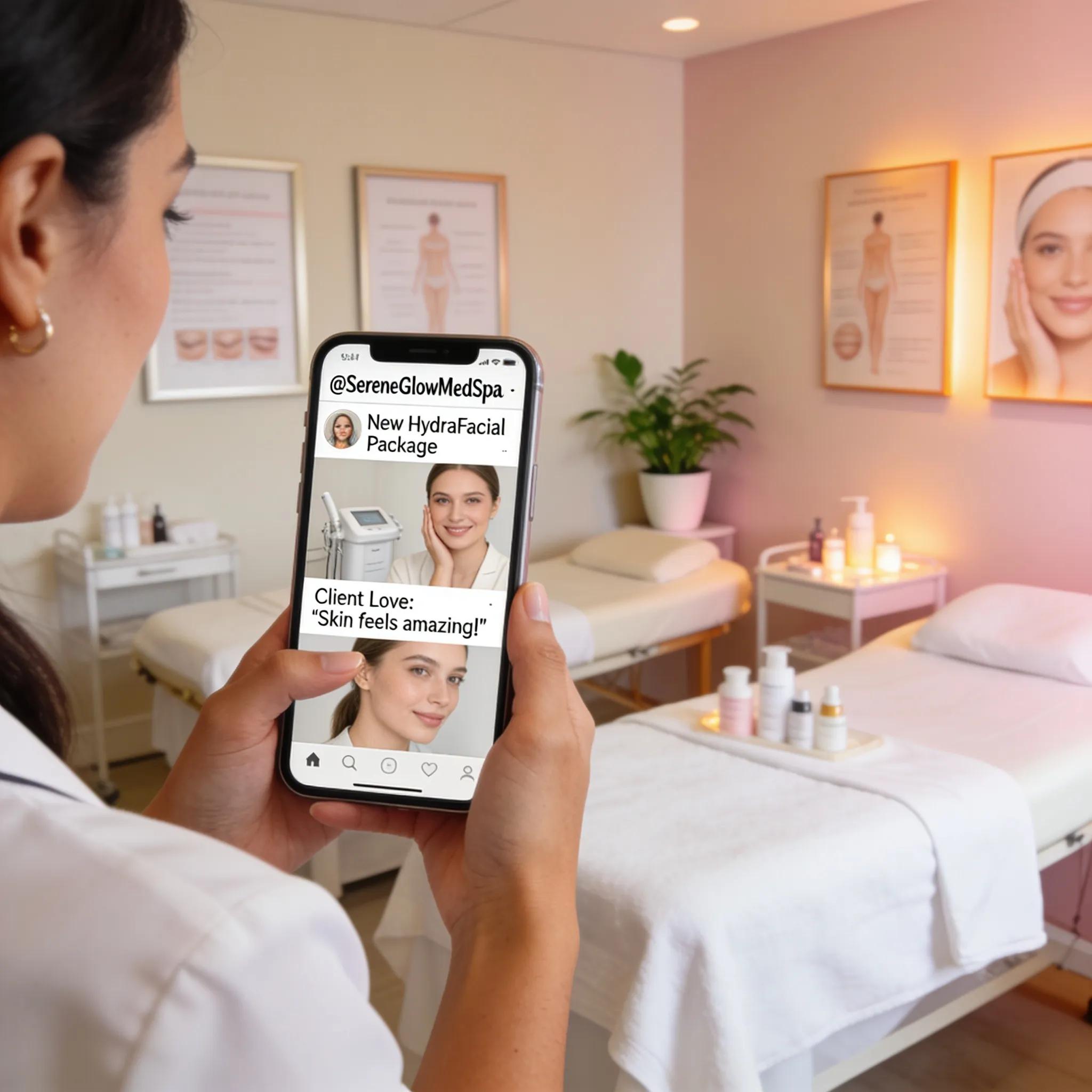
In examining the most effective marketing channels available to med spas, a multifaceted approach is often essential. Firstly, digital marketing channels have gained traction due to their wide reach and measurable impact. Key digital strategies include:
- Social Media Marketing: Engaging potential clients through platforms like Instagram and Facebook, where visual content thrives.
- Email Campaigns: Sending targeted promotions and educational content to keep clients informed about new services or products.
- SEO and Content Marketing: Enhancing online presence through optimized website content and informative blog posts that address customer needs.
While digital channels provide a modern touch, traditional methods still hold value. Community engagement events, partnerships with local businesses, and print advertisements in relevant publications can effectively target specific demographics, bridging the gap between online and offline audiences.
Which Client Acquisition Techniques Maximize Lifetime Value in Aesthetic Clinics?
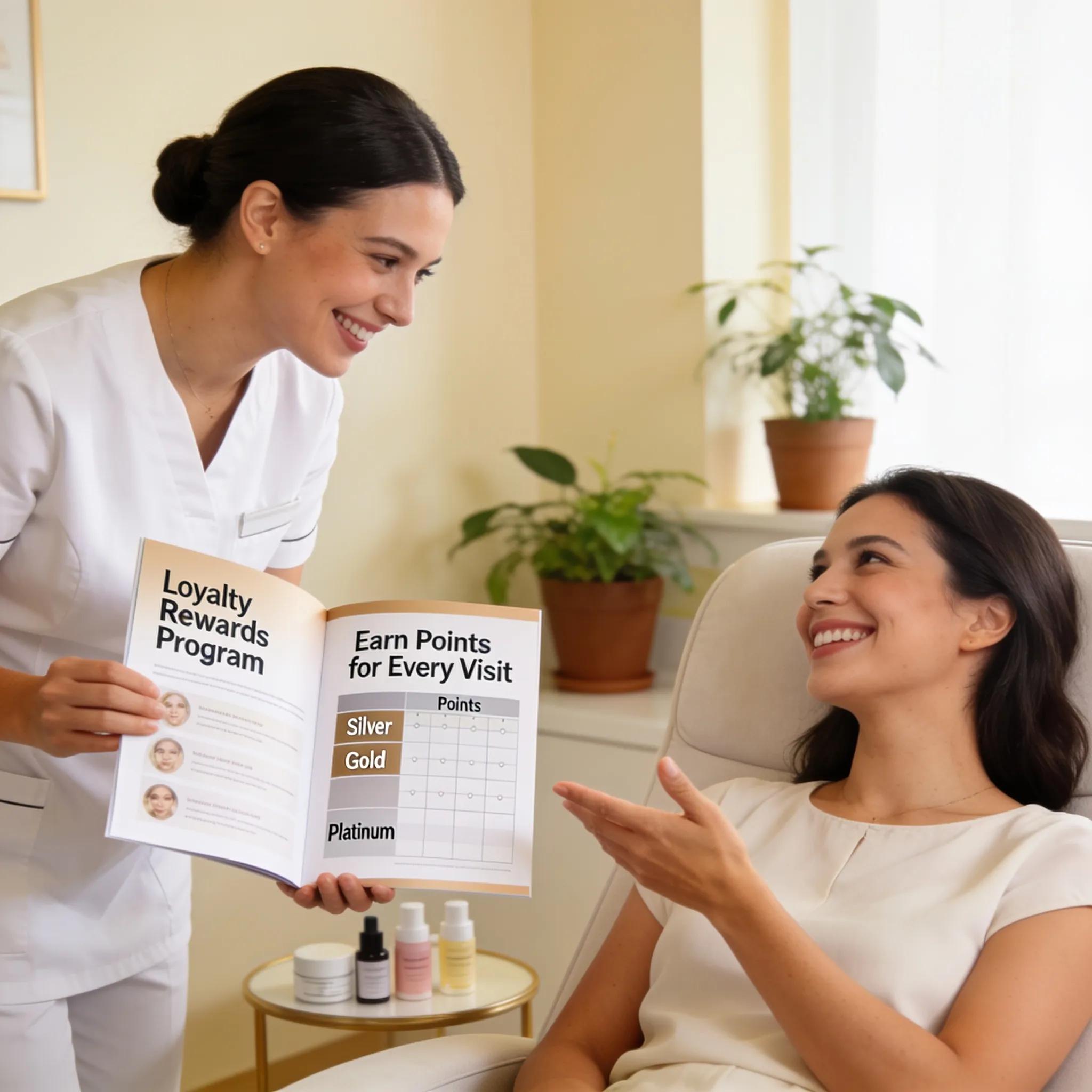
Maximizing client lifetime value (CLV) is vital for med spas aiming for sustainable growth. Several techniques can enhance CLV:
- Loyalty Programs: Offering rewards for repeat visits fosters customer retention and encourages referrals.
- Referral Incentives: Providing discounts or freebies to clients who refer others can broaden the client base effectively.
- Personalized Experiences: Tailoring services and communication to meet individual client preferences promotes satisfaction and loyalty.
Implementing these techniques not only attracts new clients but also turns them into loyal advocates of the brand.
What Financial Planning Approaches Support Consistent Aesthetic Clinic Revenue Growth?
Effective financial planning is foundational for ensuring consistent revenue growth in aesthetic clinics. Comprehensive strategies that encompass budgeting, forecasting, and financial modeling can provide a clearer path toward achieving these goals.
Which Key Performance Indicators Reflect Profitability in Cosmetic Business Expansion?
Monitoring key performance indicators (KPIs) is critical for assessing profitability and guiding future strategies. Some of the most relevant KPIs include:
- Monthly Revenue Growth: Tracks the increase in revenue over time to evaluate growth trends.
- Client Acquisition Cost (CAC): Measures the total cost of acquiring a new client, informing marketing investment decisions.
- Client Retention Rate: Indicates the percentage of clients that continue to return for services, directly affecting long-term profitability.
These indicators provide valuable insights that can drive informed decision-making and optimize financial performance.
How Do Strategic Budgeting and Forecasting Enhance Med Spa Growth Outcomes?
Strategic budgeting and forecasting are essential components of financial planning that allow med spas to anticipate future needs and allocate resources effectively. Implementing methods such as variance analysis can highlight discrepancies between planned and actual revenues, while cash flow forecasting helps maintain operational liquidity. By integrating these practices, clinics can better navigate market fluctuations and ensure sustained growth over time.
What Are Proven Business Scaling Models for Beauty Clinics and Aesthetic Practices?
Scaling an aesthetic practice effectively requires a well-defined strategy that addresses growth challenges. Proven business scaling models focus on increasing both operational capacity and market reach through systematic approaches.
How Does Team Development Influence Scaling Success in Aesthetic Brands?
Team development plays a pivotal role in scaling success. A well-trained, skilled workforce can enhance service delivery and customer satisfaction. Implementing training programs that focus on both technical skills and customer service can greatly impact performance. Furthermore, fostering a collaborative environment encourages team members to share insights and improve operational effectiveness, which is crucial for growth.
What Operational Systems Ensure Effective Expansion and Service Consistency?
Operational consistency is fundamental when scaling an aesthetic clinic. Developing standard operating procedures (SOPs) can help maintain service quality as the business expands. Moreover, implementing quality assurance mechanisms ensures adherence to established service standards. Feedback systems allow clinics to adapt quickly to client needs and preferences, ultimately leading to improved customer satisfaction during periods of growth.
How Can Regulatory Compliance and Risk Management Improve Strategic Growth for Med Spas?
Navigating regulatory compliance and risk management is crucial for med spas looking to expand reliably. Understanding the legal landscape can mitigate potential risks and foster trust among clients.
Which Regulatory Considerations Impact Market Expansion in the Aesthetic Industry?
Med spas must adhere to a variety of regulations that govern their operations. Key considerations include:
- Licensing Requirements: Ensuring that all practitioners are properly licensed to avoid legal repercussions.
- FDA Regulations: Compliance with regulations regarding the use of medical devices and products within aesthetic treatments.
- State-Specific Laws: Awareness of variations in state laws that can affect service offerings and operational practices.
Maintaining compliance helps secure a solid market position and enhances business credibility.
What Risk Mitigation Strategies Safeguard Business Continuity and Reputation?
Robust risk mitigation strategies can safeguard a business’s continuity and reputation. Effective crisis management planning involves preparing for potential operational disruptions, which can include anything from equipment failures to public relations issues. Incorporating insurance considerations also helps provide a safety net against unforeseen events. Additionally, reputation management strategies should be developed to address negative feedback proactively, maintaining client trust and loyalty.
Which Digital Tools and Technologies Accelerate Growth for Aesthetic Clinic Business Models?
Adopting digital tools and technologies can significantly enhance operational efficiency and facilitate growth. By integrating relevant technologies, med spas can streamline processes and improve client experiences.
What Role Do Analytics and Client Acquisition Funnels Play in Strategic Decision-Making?
Analytics plays a crucial role in understanding client behavior. By employing data analytics tools, med spas can track and measure the effectiveness of their marketing efforts, allowing for informed strategic adjustments. Client acquisition funnels map the stages of the customer journey, identifying points for improvement in converting leads to loyal clients.
How Can Integrated Marketing Platforms Optimize Brand Positioning and Client Retention?
Integrated marketing platforms provide a cohesive approach to brand positioning and client retention. By leveraging these platforms, med spas can effectively manage marketing campaigns across multiple channels, track performance metrics, and enhance client engagement. Case studies show that utilizing such platforms can significantly increase marketing ROI by maintaining consistent messaging and fostering stronger customer relationships.
This approach aligns with broader business strategy principles, emphasizing that holistic customer relationship management can significantly impact financial performance.
Integrating CRM and Revenue Management for Med Spa Profitability
1. A number of authors have advocated a move towards integrating customer relationship management (CRM) and revenue management (RM). The implications of integrating CRM and RM strategies in the context of the hotel environment, however, have received little attention. The key questions that need to be addressed are: who should be targeted with CRM efforts and how will those efforts affect the RM process? This paper examines the relationship between CRM and RM. By means of the lifetime/profitability approach to customer segmentation proposed by Reinartz and Kumar in 2002, the appropriate customer segments to target with CRM efforts are identified and a supporting RM strategy is outlined for each segment.
Integrating customer relationship management and revenue management: A hotel perspective, BM Noone, 2003