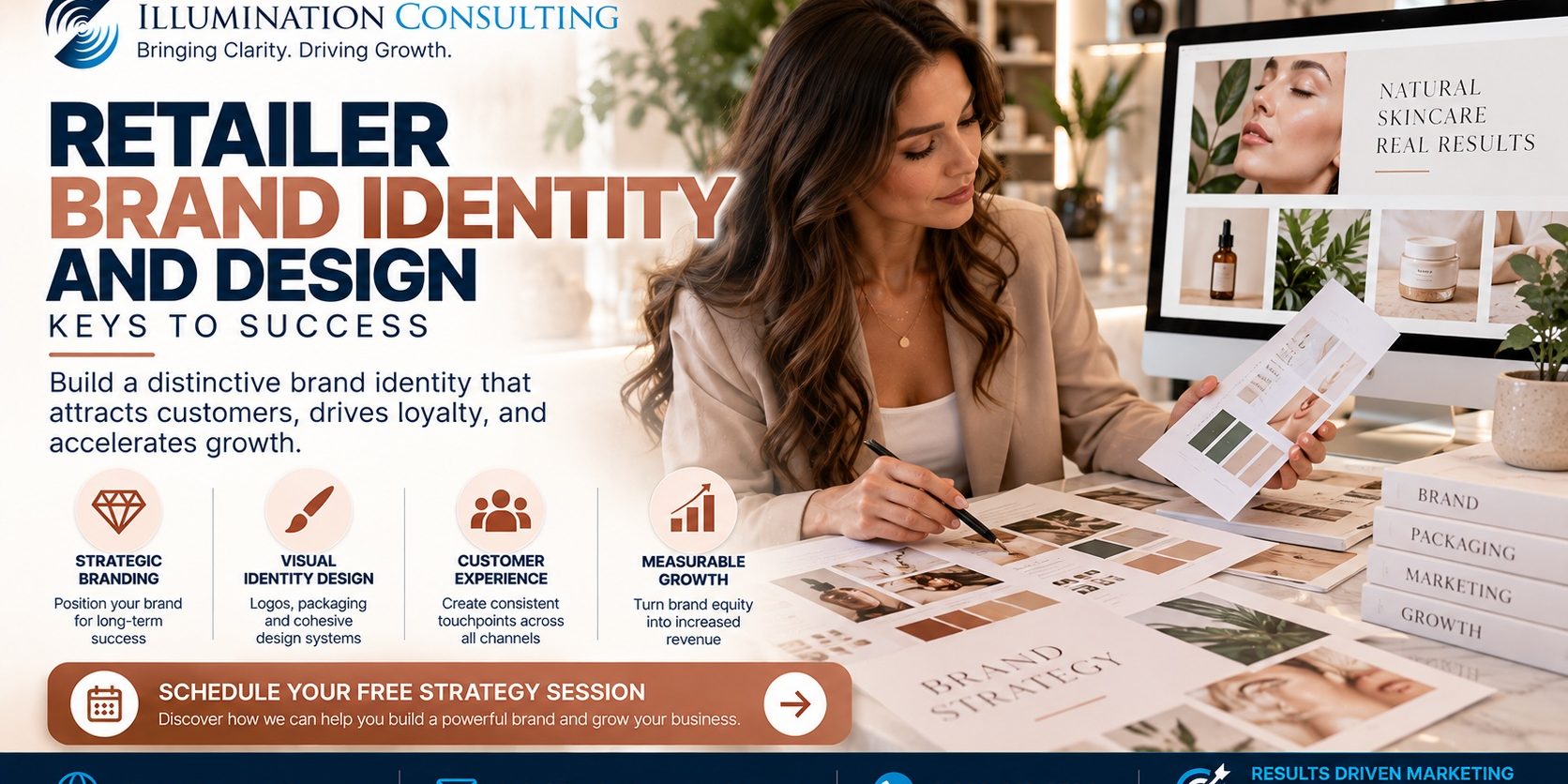
Retail brand identity in Success depends on consistent visual systems, clear positioning, and cohesive customer experience across storefronts and digital channels. Illumination Consulting, a Beverly Hills, CA-based consulting firm, builds integrated brand strategies combining logo design, messaging, SEO, and conversion optimization for Success retailers seeking measurable growth, stronger recognition, and lasting customer loyalty.
Key Takeaways
- Brand identity encompasses every customer touchpoint, from logos to service interactions and marketing messages.
- The 7 key elements of brand identity design create a complete sensory experience for customers.
- Modern retail branding builds gravitational pull through nonlinear customer journeys across multiple simultaneous activities.
- Visual presentation, logos, typography, colors, imagery, tells your brand’s story instantly to your target audience.
What Makes Retail Brand Identity Matter in Success?
Pricing power is a key factor that can help retailers thrive, distinguishing them from those that rely on discounting to stay relevant. Brand identity lets a retail business charge higher prices while keeping customers loyal, a direct lever on margin for any Success storefront competing against regional chains and online marketplaces. Skip this work and the math gets harder every quarter.
Product quality alone rarely saves a weak brand. A Success retailer can stock the best inventory in the region. Without a compelling, consistent brand identity, that advantage fades fast against competitors with sharper positioning. Customers remember how a business makes them feel long after they forget what it sold them.
Does a new retail business in Success need brand identity as much as an established one?
Yes. A new storefront opening in Success faces significant branding challenges similar to those of established retailers. With different market dynamics. Building and maintaining a strong, cohesive brand identity, tied to a real business strategy, often decides whether that company thrives or simply survives another season.
How does professional design support Success retailers specifically?
Retailer brand identity and design work best when paired with a marketing system built for the business model, not a generic template. Illumination Consulting develops customized strategies for:
- Local retail businesses serving Success neighborhoods and shopping districts
- E-commerce brands shipping to customers throughout the Success market
- Specialty retailers targeting niche audiences within Success
- Multi-location operations expanding across and beyond Success
Each engagement ties visual identity to measurable acquisition and retention goals, not aesthetics alone. That distinction matters most when margin, loyalty, and long-term positioning are on the line.
Which Visual Elements Define a Success Retail Brand?
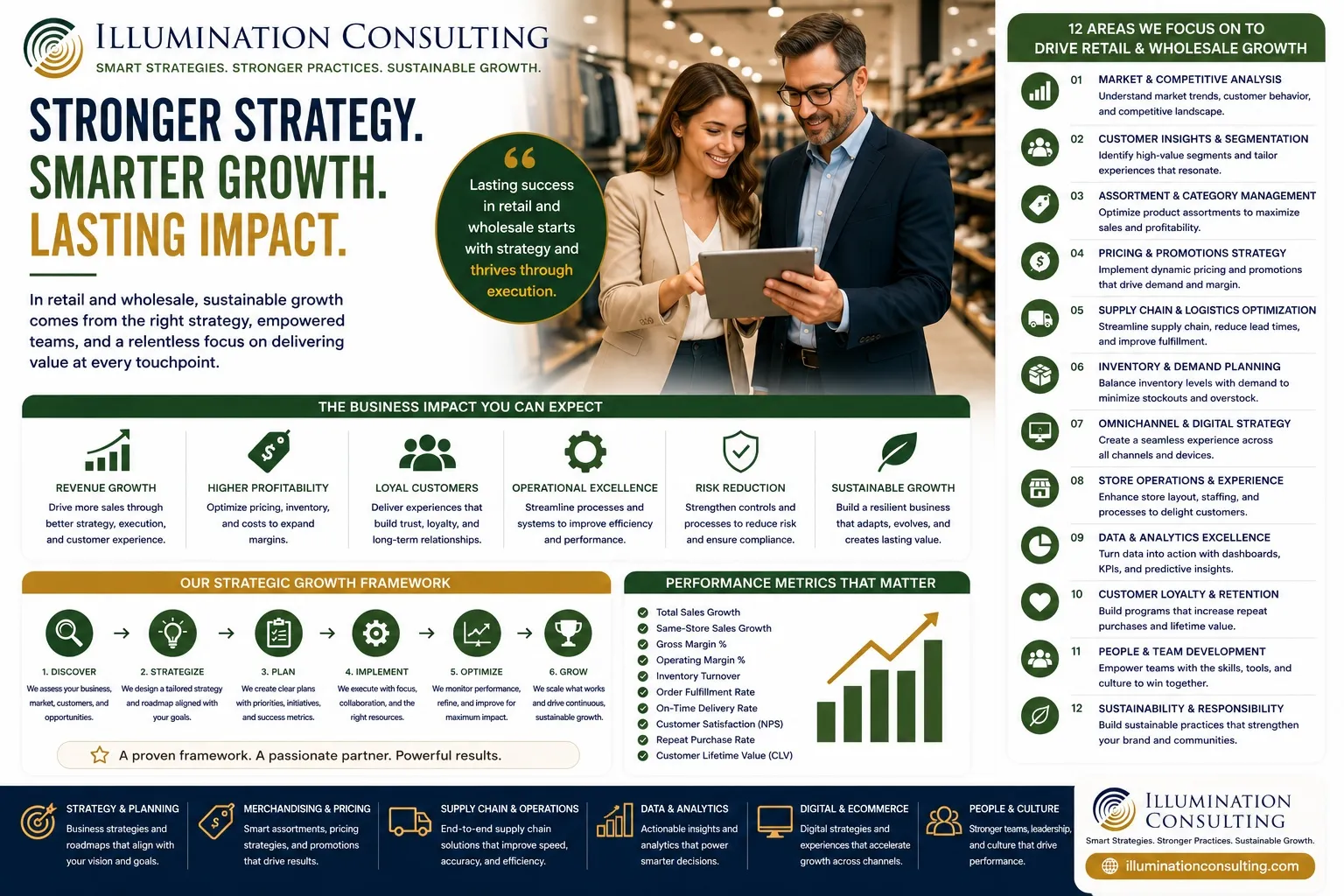
Logos, typography, color palettes, and imagery combine to shape how shoppers in Success experience a retail storefront. Retailer brand identity and design covers this entire sensory experience, weaving every visual signal into a story customers absorb within seconds of walking through the door or landing on a homepage. A mismatched color scheme or inconsistent signage breaks that story fast, and Success shoppers notice.
Strong design works as more than decoration. It functions as the heart and soul of how a retail brand presents itself to the world, shaping trust before a single product gets picked up. Illumination Consulting approaches design with that principle in mind, treating every visual choice as a strategic business decision rather than a cosmetic one.
What makes a retail brand image memorable?
Memorability comes from intention, not decoration alone. A unique storefront or digital presence results from deliberate design choices built around a clear strategy, not simply from looking polished. Retailers in Success gain the most when design decisions tie directly to how customers shop, browse, and decide.
Why does brand identity matter for retail competition?
A well-built identity attracts attention, builds trust, and fosters recognition in a crowded retail market. Retailers competing for attention in Success need every visual touchpoint pulling in the same direction. The elements that typically require the most strategic attention include:
- Logo design and mark consistency across signage and packaging
- Typography choices that carry through print and digital touchpoints
- Color palette selection that reinforces recognition at a glance
- Imagery and photography style used across storefronts and online listings
Each element reinforces the others. Weak alignment among them costs a retailer the recognition and trust competitors in Success are actively building.
How Does Brand Identity Shape the Success Customer Journey?
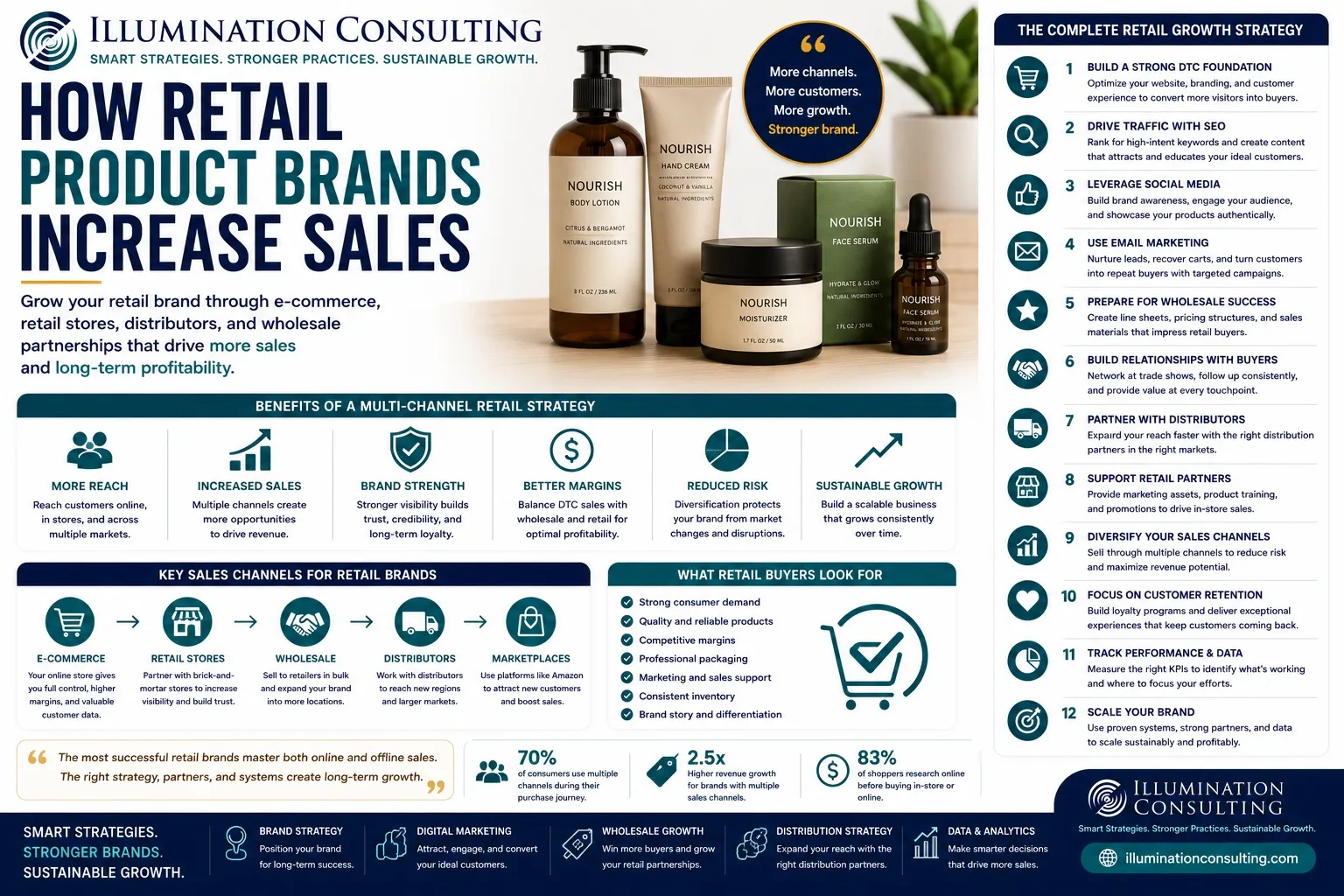
Brand identity determines whether a Success shopper feels pulled toward a retailer or simply passes by. The modern customer journey no longer moves in a straight line from awareness to purchase. Instead, Success shoppers scroll, search, and share in overlapping bursts, often within the same hour. A retailer chasing a linear funnel in this environment loses ground to competitors who meet customers wherever they are.
Strong retailer brand identity and design builds something closer to a destination than a storefront. Success retail brands that invest in cohesive visual identity, consistent messaging, and culturally relevant storytelling create a brand world shoppers want to enter, not just a shelf of products to browse. That distinction separates retailers who earn repeat visits from those who compete purely on price.
Why do physical stores still matter for Success retail brands?
Physical locations in Success have shifted away from purely transactional roles. Shoppers now treat these stores as spaces for discovery and inspiration rather than simple checkout points. A well-designed identity extends that experience from the front door to the checkout counter.
What does “designing for participation” mean for retailers?
Participation-focused branding invites shoppers to engage rather than passively consume. Retailers who succeed turn browsers into advocates through experience design, not advertising alone.
Illumination Consulting helps Success retailers translate this shift into practical strategy, including:
- Brand positioning built around community and discovery, not just transactions
- Store design and digital experience alignment across every touchpoint
- Messaging systems that invite participation instead of passive browsing
Retailers that ignore this shift risk becoming forgettable among Success shoppers who expect more than a transaction.
What Elements Build Brand Trust and Loyalty in Success?
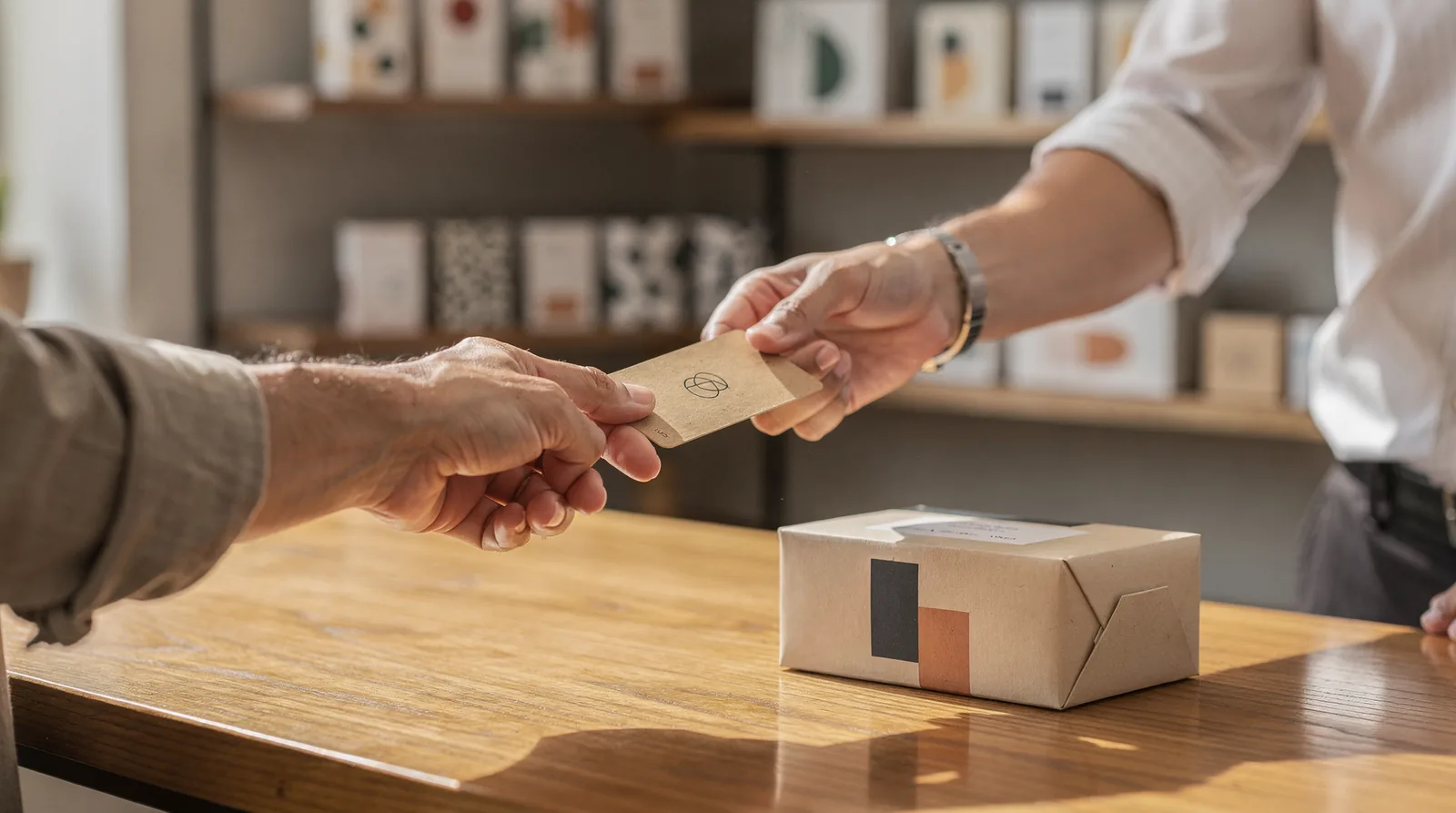
Trust in Success retail starts with perception, not product specs. A competitive small business environment, even in a market as dynamic as Success, punishes retailers who rely on a great product alone. Rhode Island Small Business Development Center makes the point plainly: a phenomenal offering without a compelling brand rarely builds lasting customer loyalty.
Success shoppers judge a retail business long before they read a price tag. Brand is simply how people perceive a company, and that perception decides which storefront or website earns a repeat visit. A strong retailer brand identity and design strategy shapes that perception deliberately, rather than leaving it to chance.
Why does emotion drive loyalty more than logic?
Purchase decisions begin with feeling, often below conscious awareness. A brand elicits emotion first; rational justification follows afterward. Success retailers who design every touchpoint, signage, packaging, website layout, around a consistent emotional cue build stronger repeat-purchase habits than competitors chasing discounts alone.
What should a Success retail brand strategy communicate?
A strategy must tell customers how to feel about the business, not just what to buy. That distinction separates retailers building durable loyalty from those stuck competing on price alone.
Three elements consistently build that trust among Success shoppers:
- Consistent visual and verbal identity across every Success location and digital channel
- Messaging that signals a clear emotional promise before any product detail
- Design choices that reinforce perception at every customer touchpoint
Illumination Consulting helps Success retailers translate these principles into measurable identity systems that strengthen loyalty and support long-term, sustainable growth.
How Can Success Retailers Strengthen Brand Identity Today?
Success retailers strengthen brand identity by locking core recognition elements in place while letting messaging evolve with seasonal demand and new store formats. Logos, color systems, and signage tone stay fixed across every location, website, and social channel, even as promotions and product lines change. Successful brands adapt their identity over time while keeping core recognizable elements consistent across every touchpoint, a discipline that separates memorable retailers from ones customers forget by the next shopping trip.
Retail operators across Success face a crowded field: regional chains, independent boutiques, and e-commerce upstarts all competing for the same foot traffic and online attention. Strengthening Retailer Brand Identity and Design requires more than a logo refresh. It demands coordinated visual standards, consistent in-store experience, and a digital presence that mirrors the physical storefront.
Why does consistent brand identity matter for Success retailers?
Consistency builds trust faster than disconnected campaigns ever could. Shoppers who recognize a retailer’s colors, tone, and signage across a Success mall location and its online store convert more readily than those facing mismatched branding. Illumination Consulting’s retail marketing services help retailers attract qualified customers, strengthen brand awareness, and generate measurable gains in store and website traffic.
Does brand identity work differently for small shops versus chains?
Retail brand identity systems serve local retail businesses, e-commerce brands, specialty retailers, and multi-location operations alike, with each receiving a customized strategy rather than a one-size template. A single boutique in Success needs the same visual discipline as a multi-location chain serving the broader region.
Based in Beverly Hills, CA, Illumination Consulting extends its retail branding and consulting services directly to retailers serving Success, pairing design strategy with measurable marketing execution.
FAQ
Why does retail brand identity matter for pricing power?
Brand identity lets a retail business charge higher prices while keeping customers loyal, directly strengthening margins against regional chains and online marketplaces. Skipping this work makes the math harder every quarter.
Does a new retailer need brand identity as much as an established one?
Yes, a new storefront faces the same branding stakes as a decades-old retailer. Building a strong, cohesive brand identity tied to real business strategy often decides whether a company thrives or just survives.
What visual elements shape a retail brand’s identity?
Logos, typography, color palettes, and imagery combine to shape how shoppers experience a storefront, telling a story customers absorb within seconds. Mismatched colors or inconsistent signage break that story fast, and shoppers notice.
Conclusion
In closing, retail brand identity and design represent far more than aesthetic considerations, they form the strategic foundation upon which customer loyalty, market differentiation, and sustainable profitability rest. By aligning visual identity, messaging, customer experience, and operational systems into one cohesive brand strategy, retailers strengthen competitive positioning while building lasting connections with their target audience. The most successful retail brands recognize that every design element, from logo to packaging to digital presence, communicates value and reinforces brand promise. Strategic investment in comprehensive brand identity development delivers measurable returns through increased recognition, customer retention, and long-term enterprise value.