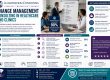

Change management is a critical process for clinics undergoing expansion and transitions, ensuring that both staff and patients adapt smoothly to new systems and structures. This article delves into essential change management frameworks, sustainable expansion strategies, and the importance of staff training and engagement. Readers will learn how to effectively implement change management practices that enhance operational efficiency and patient satisfaction. As clinics face the challenges of growth, understanding these strategies becomes vital for maintaining quality care and compliance. We will explore key frameworks like Kotter and ADKAR, best practices for scaling operations, and the role of technology in facilitating these transitions, with a focus on change management for clinics, clinic transition consulting, and scaling med spa operations.
What Are the Essential Change Management Frameworks for Clinic Expansion?
Change management frameworks provide structured approaches to facilitate organizational change, particularly in healthcare settings. These frameworks help clinics navigate the complexities of expansion by offering clear methodologies for implementing change. Effective frameworks, such as Kotter’s 8-Step Process and the ADKAR model, guide organizations through the stages of change, ensuring that all stakeholders are engaged and informed throughout the process. By utilizing these frameworks, clinics can minimize resistance and enhance the likelihood of successful transitions.
Organizational Readiness Frameworks in Clinic Transition Consulting
Assessing and ensuring organizational readiness is a fundamental step in clinic transition consulting. Readiness frameworks evaluate the clinic’s culture, resources, and capacity to embrace change. These frameworks often involve:
- Stakeholder analysis to identify key influencers and change agents.
- Readiness assessments to measure staff engagement and preparedness.
- Change impact analyses to foresee operational challenges.
Applying these frameworks helps clinics identify gaps and tailor transition plans that foster a resilient and adaptable organizational environment.
How Do Kotter and ADKAR Models Facilitate Healthcare Organizational Change?
Kotter’s model emphasizes a step-by-step approach to change, starting with creating a sense of urgency and building a guiding coalition. This model is particularly effective in healthcare, where buy-in from staff is crucial. The ADKAR model, on the other hand, focuses on individual change and outlines five key elements: Awareness, Desire, Knowledge, Ability, and Reinforcement. By addressing these elements, clinics can foster a culture of adaptability and resilience, ultimately leading to more successful outcomes during periods of transition.
EHR/EMR Data Migration Workflows in Clinic Expansion

Efficient data migration of Electronic Health Records (EHR) and Electronic Medical Records (EMR) is critical during clinic expansion to preserve patient information integrity. A well-structured workflow includes:
- Comprehensive data inventory and mapping from legacy to new systems.
- Data cleansing to remove duplicates and inaccuracies.
- Testing migration processes with pilot data sets.
- Backup and contingency planning.
- Post-migration validation and quality assurance.
Implementing these workflows reduces risks associated with data loss or downtime, key concerns addressed in clinic transition consulting.
Which Clinic Expansion Strategies Ensure Sustainable Medical Practice Growth?
Sustainable growth strategies are essential for clinics looking to expand without compromising the quality of care. These strategies include market analysis, patient engagement, and operational efficiency improvements. By understanding the local healthcare landscape and patient needs, clinics can tailor their services to meet demand effectively. Additionally, leveraging technology and data analytics can streamline operations, allowing for better resource allocation and enhanced patient experiences.
What Are Best Practices for Scaling Med Spa Operations During Expansion?
Scaling med spa operations requires a strategic approach that balances growth with quality service delivery. Best practices include:
- Operational Efficiency: Streamlining processes to reduce wait times and improve service delivery.
- Staff Training: Ensuring that all team members are well-trained in new procedures and technologies.
- Marketing Strategies: Implementing targeted marketing campaigns to attract new patients while retaining existing ones.
These practices not only enhance operational effectiveness but also contribute to a positive patient experience, which is crucial for long-term success in scaling med spa businesses.
How to Integrate Digital Transformation in Clinic Growth Planning?
Digital transformation plays a pivotal role in modernizing clinic operations. By adopting digital tools, clinics can improve patient engagement and streamline administrative tasks. Key strategies for integrating digital transformation include:
- Telehealth Services: Expanding access to care through virtual consultations.
- Patient Management Systems: Utilizing software to manage appointments, billing, and patient records efficiently.
- Data Analytics: Leveraging data to inform decision-making and improve service delivery.
These technologies not only enhance operational efficiency but also improve patient satisfaction by providing more accessible and personalized care.
Staff Retraining and Cultural Alignment for Optimal Clinic Transitions

Staff retraining and cultural alignment are critical components of successful change management for clinics. Properly retraining staff ensures they are equipped with the skills necessary to handle new technologies and protocols arising from expansion or transition initiatives. Cultural alignment fosters unity and shared vision, reducing resistance and enhancing collaboration. Effective programs should focus on:
- Skill Development: Providing staff with the necessary skills to adapt to new technologies and processes.
- Change Communication: Keeping staff informed about changes and the reasons behind them to foster a sense of ownership.
- Feedback Mechanisms: Implementing systems for staff to voice concerns and suggestions during transitions.
- Cultural Workshops: Facilitating sessions that build shared values and mission understanding.
Prioritizing these aspects leads to a workforce ready to support clinic growth and transformation effectively.
What Techniques Mitigate Staff Resistance During Clinic Transitions?
Mitigating staff resistance is essential for a smooth transition. Techniques to address resistance include:
- Open Communication: Regularly updating staff on changes and encouraging feedback.
- Involvement in Decision-Making: Engaging staff in the planning process to foster a sense of ownership.
- Support Systems: Providing resources and support for staff to adapt to new changes.
These strategies help create a collaborative environment where staff feel valued and empowered during transitions.
How Does Effective Communication Enhance Staff and Patient Experience?
Effective communication is vital in ensuring that both staff and patients are informed and engaged during transitions. Key aspects of effective communication include:
- Clarity: Providing clear and concise information about changes and expectations.
- Accessibility: Ensuring that communication channels are open and accessible to all staff and patients.
- Feedback Opportunities: Creating avenues for staff and patients to provide feedback on their experiences.
By fostering a culture of open communication, clinics can enhance both staff satisfaction and patient experience, leading to better overall outcomes.
Patient Communication Protocols During Clinic Expansion and Transitions
Maintaining transparent and timely communication with patients during clinic expansions and transitions is essential to preserve trust and satisfaction. Effective patient communication protocols include:
- Pre-transition Notifications: Informing patients well in advance about upcoming changes that may affect their care.
- Multi-Channel Communication: Using email, SMS, website updates, and in-clinic signage to reach diverse patient groups.
- Appointment Coordination: Proactively managing appointment schedules and addressing potential disruptions.
- Feedback Systems: Enabling patients to provide input and express concerns throughout the transition.
Implementing these protocols supports a patient-centered approach during complex change processes in clinics.
What Regulatory Compliance and Risk Mitigation Measures Are Critical During Clinic Transitions?
Regulatory compliance is a crucial consideration during clinic transitions. Clinics must navigate various regulations to ensure that they remain compliant while implementing changes. Key compliance measures include:
- Understanding Regulatory Requirements: Familiarizing staff with relevant healthcare regulations and standards.
- Risk Assessment: Conducting thorough assessments to identify potential risks associated with changes.
- Documentation: Maintaining accurate records of all changes and compliance efforts.
By prioritizing compliance, clinics can mitigate risks and ensure a smooth transition process.
How to Navigate Healthcare Regulations During Clinic Mergers and Relocations?
Navigating healthcare regulations during mergers and relocations requires careful planning and execution. Key steps include:
- Regulatory Research: Identifying all relevant regulations that may impact the merger or relocation.
- Stakeholder Engagement: Involving key stakeholders in the planning process to ensure compliance.
- Legal Consultation: Seeking legal advice to navigate complex regulatory landscapes effectively.
These steps help clinics ensure that they remain compliant while successfully executing mergers and relocations.
Post-Expansion KPI Monitoring to Ensure Successful Clinic Growth
Monitoring key performance indicators (KPIs) following clinic expansion is essential to evaluate success and guide continuous improvement. Clinics should track metrics such as:
- Patient Satisfaction Scores: Measuring ongoing patient experience quality.
- Operational Efficiency: Monitoring appointment wait times, staff productivity, and resource utilization.
- Financial Performance: Analyzing revenue growth, cost management, and profitability.
- Compliance Metrics: Ensuring ongoing adherence to healthcare regulations.
Regular review of these KPIs enables clinics to adjust strategies promptly to maintain sustainable growth and align with change management for clinics best practices.
How to Measure and Improve Patient Experience Throughout Clinic Expansion and Transitions?
Measuring patient experience is essential for understanding the impact of changes on care delivery. Clinics can utilize various metrics to assess patient satisfaction, including:
- Surveys: Conducting patient satisfaction surveys to gather feedback on their experiences.
- Net Promoter Score (NPS): Measuring patient loyalty and likelihood to recommend the clinic.
- Patient Retention Rates: Analyzing retention rates to gauge the effectiveness of changes.
By continuously measuring and improving patient experience, clinics can enhance care quality and foster long-term relationships with patients.
Which Patient Retention Strategies Align with Change Management Goals?
Effective patient retention strategies are crucial for maintaining a stable patient base during transitions. Key strategies include:
- Personalized Care: Tailoring services to meet individual patient needs and preferences.
- Follow-Up Communication: Engaging patients post-visit to gather feedback and address concerns.
- Loyalty Programs: Implementing programs that reward patients for their continued patronage.
These strategies not only support patient retention but also align with broader change management goals by fostering a positive patient experience.
What Tools and Technologies Support Effective Change Management in Clinic Growth?
Various tools and technologies can facilitate effective change management in clinics. These tools help streamline processes and enhance communication during transitions. Key tools include:
- Project Management Software: Assisting in planning and tracking change initiatives.
- Communication Platforms: Enabling effective communication among staff and with patients.
- Data Analytics Tools: Providing insights into patient behavior and operational efficiency.
By leveraging these tools, clinics can enhance their change management efforts and ensure successful transitions.
How Do Workflow Optimization Software and Analytics Enhance Transition Outcomes?
Workflow optimization software and analytics play a significant role in improving transition outcomes. These tools help clinics identify inefficiencies and streamline processes. Key benefits include:
- Increased Efficiency: Automating routine tasks to free up staff for more critical activities.
- Data-Driven Decisions: Utilizing analytics to inform strategic decisions and improve service delivery.
- Enhanced Patient Care: Streamlining workflows to ensure timely and effective patient care.
By integrating these technologies, clinics can achieve smoother transitions and better overall performance.