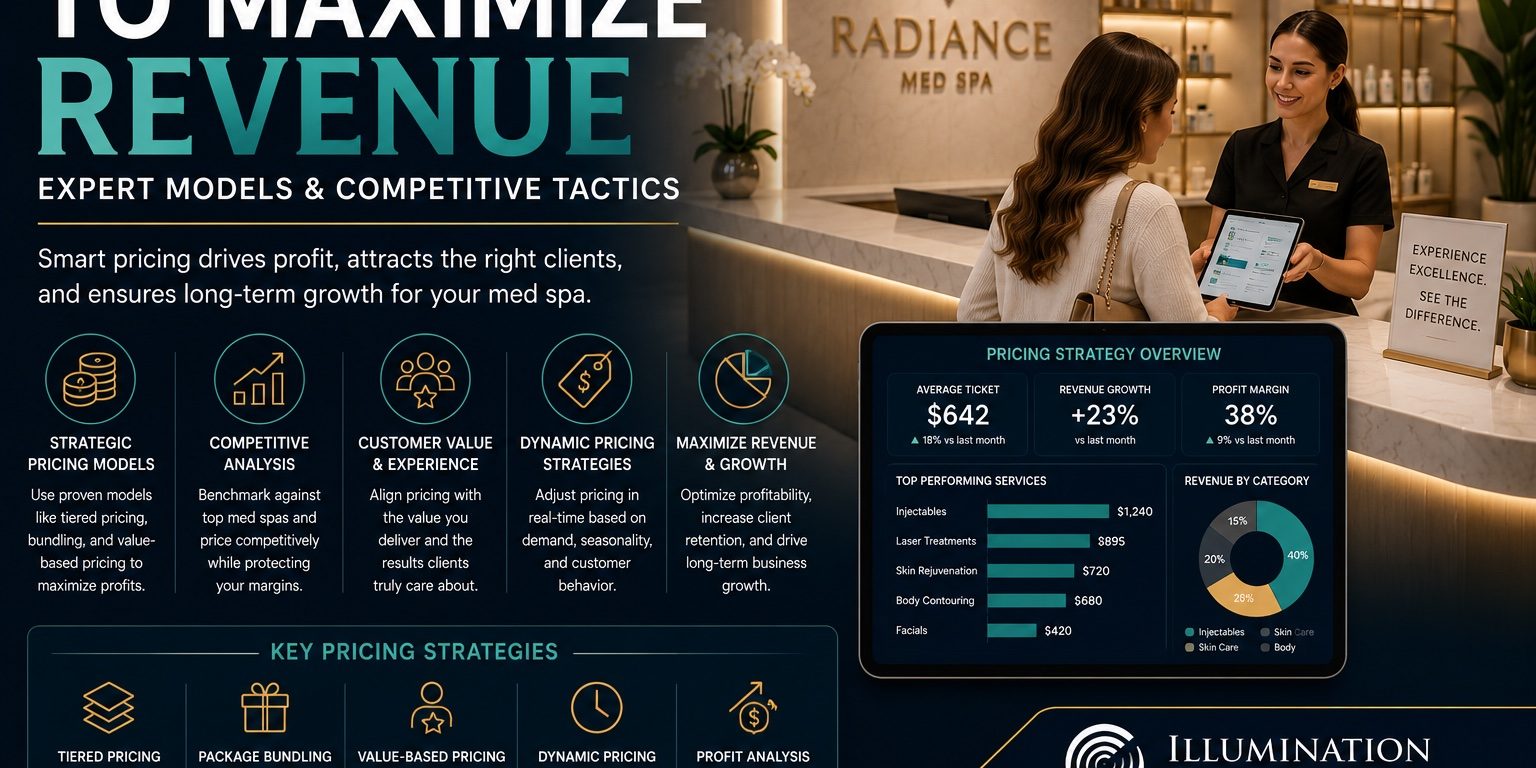
In the competitive landscape of med spas, establishing an effective med spa pricing strategy is crucial for maximizing revenue and ensuring long-term sustainability. This article delves into various pricing models, competitive analysis, and dynamic pricing strategies that can significantly enhance profitability. Readers will learn how to price aesthetic services effectively and understand the nuances of service pricing for clinics. By addressing common challenges faced by med spas, this guide offers actionable insights to optimize pricing strategies that enhance clinic profitability and customer satisfaction. med spa business consulting
Key Takeaways
- Choosing between cost-plus and value-based pricing shapes both profit margins and how a clinic positions itself against competitors.
- Tiered membership and subscription packages build predictable recurring revenue while deepening client loyalty.
- Benchmarking against local competitors’ pricing and service offerings keeps a clinic’s rates aligned with its unique selling proposition.
- Calculating hourly profit margins per injector or provider is essential for smart scheduling and pricing decisions.
- Dynamic discounting—tied to demand, loyalty, or seasonality—helps balance revenue optimization with customer acquisition.
- Transparent pricing builds trust for standardized services, while custom consultation pricing suits highly individualized treatment plans.
- Psychological pricing techniques like charm pricing, prestige pricing, and anchoring can meaningfully influence purchasing behavior.
- Targeting a 20-30% profit margin, tracked through KPIs like revenue growth and service utilization, supports sustainable clinic growth.
Understanding Cost-Plus vs. Value-Based Aesthetic Pricing Models
A fundamental aspect of developing a robust med spa pricing strategy involves choosing between cost-plus and value-based pricing models. These models shape how clinics position their offerings and appeal to different customer segments.
What Is Cost-Plus Pricing in Aesthetic Services?
Cost-plus pricing calculates the total cost of providing a service—including fixed and variable expenses—and adds a markup to ensure profitability. This approach provides a predictable profit margin but may not fully capitalize on customer perceived value.
How Does Value-Based Pricing Enhance Clinic Profitability?
Value-based pricing sets prices according to the customer’s perceived benefits rather than solely on cost. This strategy requires insights into customer preferences and can justify premium pricing for high-impact aesthetic services, boosting profit margins and competitive positioning.
Membership and Subscription Packages: Building Tiered Recurring Revenue
Implementing membership and subscription packages with tiered pricing models creates consistent revenue streams and increases customer loyalty. These packages may include exclusive access to treatments, discounts, or bundled services designed to appeal to different client segments.
How Do Tiered Recurring Revenue Models Work?
Tiered recurring revenue models offer multiple membership levels, each with escalating benefits and price points. For example, a basic tier may provide monthly access to standard treatments, while premium tiers include additional services or priority booking, encouraging upgraded commitments.
Competitive Positioning and Service Pricing for Clinics in Local Markets
Competitive positioning requires careful analysis of local market dynamics and pricing to establish a sustainable advantage. Clinics must evaluate both direct competitors and broader market trends to align their pricing strategies effectively.
How to Analyze Local Competitive Pricing Structures?
Effective competitive analysis involves:
- Identifying direct and indirect competitors in the local market.
- Assessing their service offerings and pricing tiers.
- Understanding client demographics and preferences.
- Adjusting your pricing to meet or strategically diverge from market norms based on your USP (unique selling proposition).
Injector and Provider Hourly Profitability Margin Calculations
Calculating hourly profitability margins for injectors and providers enables med spas to optimize staff utilization and make informed pricing decisions.
How to Calculate Provider Hourly Profit Margins?
To calculate hourly profit margins:
- Estimate total revenue generated per hour by each provider.
- Subtract all direct costs associated with provider compensation and consumable products.
- Factor in overhead costs allocated per hour.
- The resulting figure represents the hourly profit margin, guiding scheduling and pricing adjustments.
Dynamic Discounting Rules to Enhance Med Spa Revenue
Dynamic discounting allows med spas to adjust discount levels based on real-time data such as demand fluctuations, customer loyalty, or seasonal trends.
How to Implement Effective Dynamic Discounting?
Establish rules such as:
- Offering percentage discounts during off-peak hours to boost bookings.
- Applying loyalty-based discounts for repeat clients to increase retention.
- Using targeted promos for new clients or high-value services to drive trials.
This strategic use of discounts balances revenue optimization with customer acquisition.
Transparent vs. Custom Consultation Pricing Frameworks
Pricing transparency can improve trust but requires balance with personalized service offerings through custom consultation pricing.
What Are the Benefits of Transparent Pricing?
Transparent pricing establishes clear expectations and reduces friction in the decision-making process. Publishing standard prices for common services enhances accessibility and builds customer confidence.
When Are Custom Consultation Prices Preferable?
Custom consultation pricing is ideal when services are highly individualized, requiring tailored treatment plans. This approach allows for pricing flexibility aligned with the complexity and value delivered.
What Are the Most Effective Aesthetic Service Pricing Models?
Aesthetic service pricing models are essential frameworks that med spas use to determine the cost of their services. These models can significantly impact customer acquisition and retention, as well as overall revenue. Understanding the various pricing strategies allows med spas to cater to different customer segments and maximize their market potential. The most effective models include tiered pricing, package bundling, and value-based pricing, each offering unique benefits that can enhance profitability.
How Do Tiered Pricing and Package Bundling Enhance Revenue?
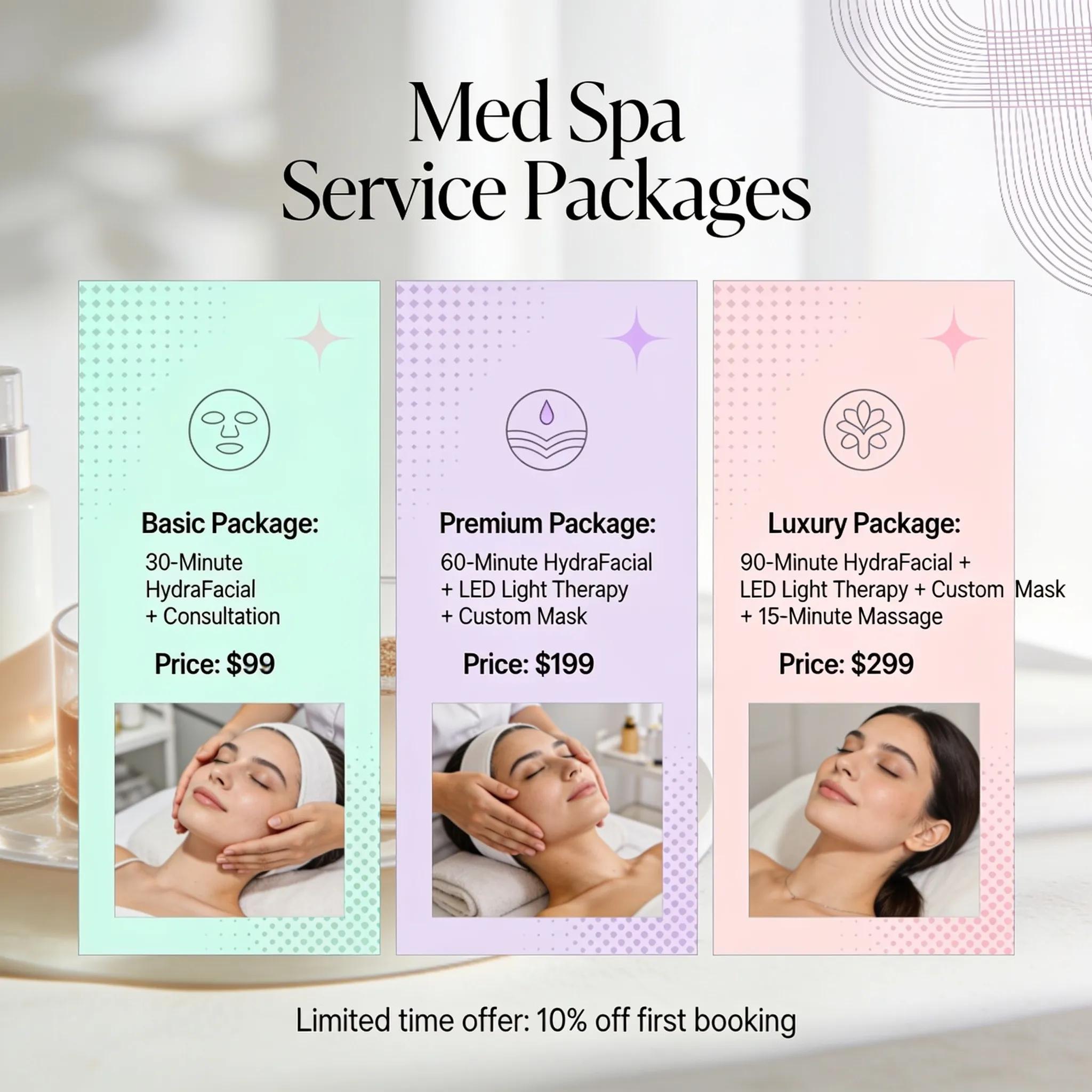
Tiered pricing involves offering services at different price points based on the level of service or product quality. This strategy allows med spas to cater to a broader audience by providing options that fit various budgets. For instance, a med spa might offer basic, premium, and luxury service tiers, encouraging customers to opt for higher-priced packages that include additional benefits.
Package bundling, on the other hand, combines multiple services into a single offering at a discounted rate. This approach not only increases the perceived value for customers but also encourages them to purchase more services than they might have initially considered. For example, a med spa could bundle a facial treatment with a massage, providing a comprehensive wellness experience at a competitive price.
What Role Does Value-Based Pricing Play in Med Spa Profitability?
Value-based pricing focuses on setting prices based on the perceived value of the service to the customer rather than the cost of delivering it. This strategy requires a deep understanding of customer needs and preferences, allowing med spas to charge a premium for services that deliver exceptional results. By emphasizing the unique benefits and outcomes of their services, med spas can justify higher prices and enhance their profitability.
How Can Competitive Pricing Analysis Optimize Med Spa Revenue?
Competitive pricing analysis is a critical component of a successful pricing strategy. By evaluating the pricing structures of competitors, med spas can identify market trends and adjust their pricing accordingly. This analysis helps ensure that services are competitively priced while still reflecting the quality and value offered.
Which Market Factors Influence Clinic Service Price Setting?
Several market factors influence how med spas set their service prices. These include local competition, customer demographics, and economic conditions. Understanding these factors allows med spas to position their services effectively and attract the right clientele. For instance, a med spa located in a high-income area may set higher prices compared to one in a more budget-conscious market.
How to Conduct a Pricing Benchmark Against Leading Med Spas?
Conducting a pricing benchmark involves comparing a med spa’s prices with those of leading competitors in the area. This process typically includes the following steps:
- Identify Competitors: Research local med spas offering similar services.
- Collect Pricing Data: Gather information on their pricing structures for comparable services.
- Analyze Findings: Evaluate how your prices compare and identify areas for adjustment.
- Adjust Pricing Strategy: Based on the analysis, consider adjusting your prices to remain competitive while ensuring profitability.
This systematic approach helps med spas stay relevant in a dynamic market.
What Dynamic Pricing Strategies Increase Cosmetic Treatment Profit Margins?
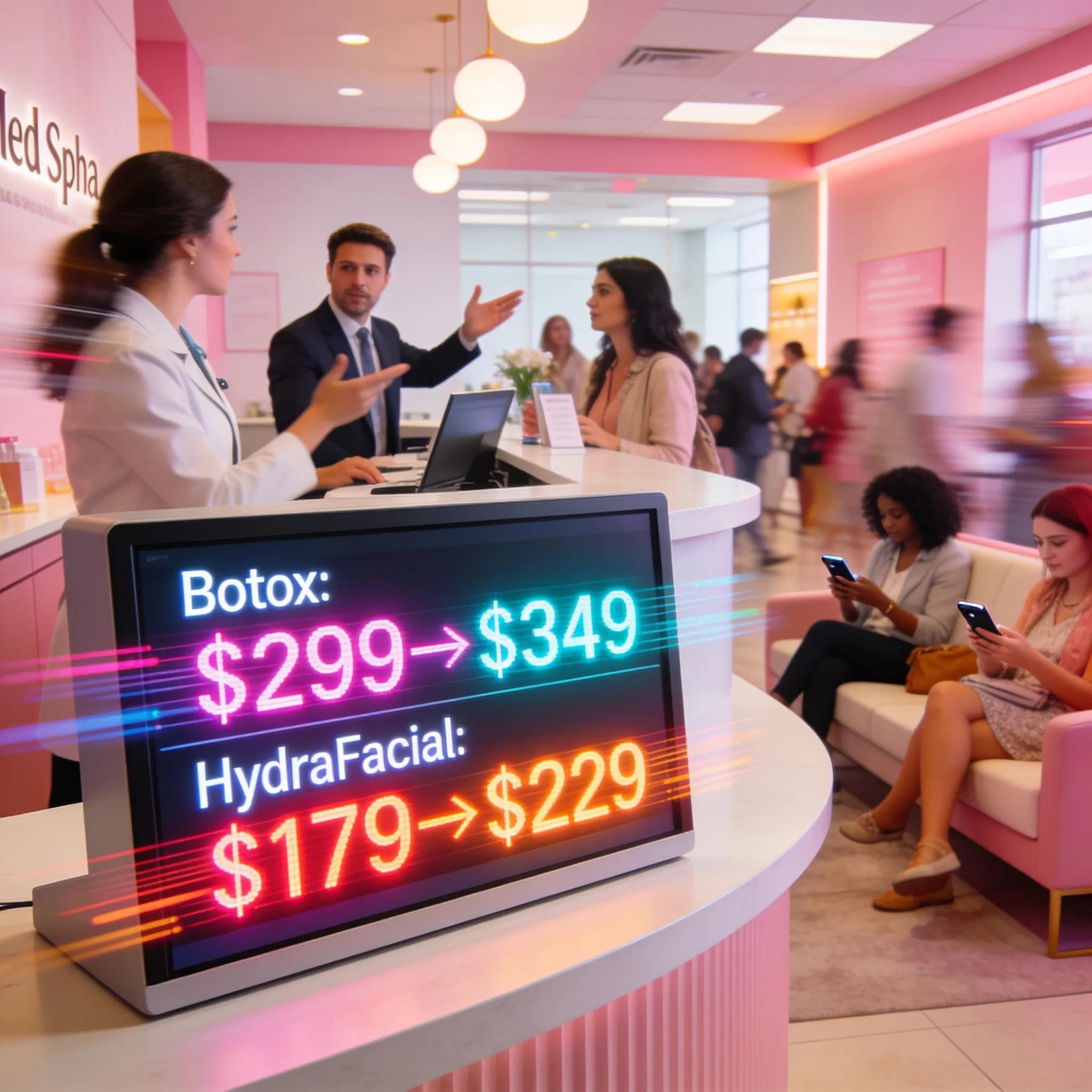
Dynamic pricing strategies allow med spas to adjust their prices based on real-time market demand and customer behavior. This flexibility can lead to increased profit margins, especially during peak seasons or promotional events.
How Does Real-Time Pricing Adapt to Customer Segments and Demand?
Real-time pricing involves using data analytics to monitor customer behavior and market trends. By analyzing factors such as booking patterns and service popularity, med spas can adjust their prices dynamically. For example, offering discounts during off-peak hours can attract more customers while maximizing revenue during high-demand periods.
What Are the Benefits of Integrating Customer Data Analytics in Pricing?
Integrating customer data analytics into pricing strategies provides several benefits:
- Enhanced Decision-Making: Data-driven insights allow for more informed pricing decisions.
- Personalized Offers: Tailoring prices based on customer preferences can increase conversion rates.
- Improved Profitability: By understanding customer behavior, med spas can optimize pricing to maximize revenue.
These benefits highlight the importance of leveraging technology in pricing strategies.
How Does Pricing Psychology Influence Customer Perception and Sales?
Pricing psychology plays a significant role in how customers perceive value and make purchasing decisions. Understanding the psychological factors that influence pricing can help med spas craft strategies that enhance customer engagement and sales.
Which Psychological Pricing Techniques Are Effective for Beauty Services?
Several psychological pricing techniques can be effective in the beauty industry:
- Charm Pricing: Setting prices just below a round number (e.g., $99 instead of $100) can create a perception of a better deal.
- Prestige Pricing: Higher prices can signal quality and exclusivity, appealing to customers seeking premium services.
- Anchoring: Presenting a higher-priced option alongside a standard offering can make the latter seem more affordable.
These techniques can significantly impact customer purchasing behavior.
How Can Med Spas Leverage Pricing to Enhance Perceived Value?
Med spas can enhance perceived value through strategic pricing by:
- Highlighting Benefits: Clearly communicating the unique benefits of services justifies higher prices.
- Creating Scarcity: Limited-time offers can create urgency and increase perceived value.
- Offering Guarantees: Providing satisfaction guarantees can reduce perceived risk and encourage purchases.
By implementing these strategies, med spas can effectively enhance customer perception and drive sales.
What Are Best Practices for Cost and Profit Margin Analysis in Med Spas?
Conducting thorough cost and profit margin analysis is essential for maintaining financial health in a med spa. Understanding the costs associated with each service allows for better pricing decisions and improved profitability.
How to Calculate Accurate Cost Structures for Aesthetic Services?
Calculating accurate cost structures involves:
- Identifying Fixed Costs: These include rent, utilities, and salaries.
- Determining Variable Costs: Costs that fluctuate with service volume, such as supplies and commissions.
- Calculating Total Costs: Summing fixed and variable costs to determine the overall cost of providing services.
This comprehensive approach ensures that pricing reflects the true cost of service delivery.
What Profit Margin Targets Should Med Spas Aim For?
Med spas should aim for profit margin targets that reflect industry standards while considering their unique operational costs. A common target is to achieve a profit margin of 20-30% on services, allowing for sustainable growth and reinvestment in the business.
How to Implement and Monitor Med Spa Pricing Strategies Effectively?
Implementing and monitoring pricing strategies is crucial for ongoing success. Regular evaluation ensures that pricing remains competitive and aligned with market conditions.
Which KPIs and Tools Track Pricing Strategy Success?
Key performance indicators (KPIs) for tracking pricing strategy success include:
- Revenue Growth: Monitoring overall revenue changes in response to pricing adjustments.
- Customer Acquisition Cost: Evaluating the cost-effectiveness of attracting new clients.
- Service Utilization Rates: Analyzing how often services are booked at different price points.
Utilizing tools such as pricing software and analytics platforms can streamline this process.
How to Use Structured Data and Schema Markup for Pricing Transparency?
Implementing structured data and schema markup enhances pricing transparency by providing search engines with clear information about service prices. This practice can improve visibility in search results and attract more potential customers. By ensuring that pricing information is easily accessible, med spas can build trust and encourage bookings.
Frequently Asked Questions
What is the difference between cost-plus and value-based pricing for med spas?
Cost-plus pricing adds a markup to the total cost of delivering a service, guaranteeing a predictable margin. Value-based pricing instead sets prices according to the perceived benefit to the customer, which can support premium pricing for high-impact aesthetic services and often yields stronger profit margins.
How often should a med spa review its pricing strategy?
Pricing should be reviewed regularly—many clinics benchmark quarterly—by tracking KPIs such as revenue growth, customer acquisition cost, and service utilization rates, and adjusting for shifts in local competition, demand, or costs.
What profit margin should a med spa target?
Most med spas aim for a profit margin of 20-30% on services, a range that supports sustainable growth and allows for reinvestment in staff, equipment, and marketing.
How can dynamic discounting increase med spa revenue without devaluing services?
Dynamic discounting works best when tied to specific triggers—off-peak hours, loyalty milestones, or new-client promotions—rather than blanket price cuts, so clinics can drive bookings and retention while protecting the perceived value of core services.
When should a med spa use custom consultation pricing instead of published rates?
Custom consultation pricing suits highly individualized treatment plans where the scope of service varies significantly by client, allowing pricing flexibility that matches the complexity and value delivered rather than a one-size-fits-all rate.
Conclusion
A strong med spa pricing strategy blends multiple approaches rather than relying on a single model. Weighing cost-plus against value-based pricing, building tiered membership programs, benchmarking against local competitors, and calculating true provider profitability all work together to protect margins while keeping services accessible. Layering in dynamic discounting, thoughtful pricing psychology, and a clear choice between transparent and custom consultation pricing further sharpens a clinic’s competitive position. Ultimately, the clinics that treat pricing as an ongoing discipline—tracked through KPIs and adjusted as market conditions shift—are the ones best positioned to grow revenue while building lasting client trust.