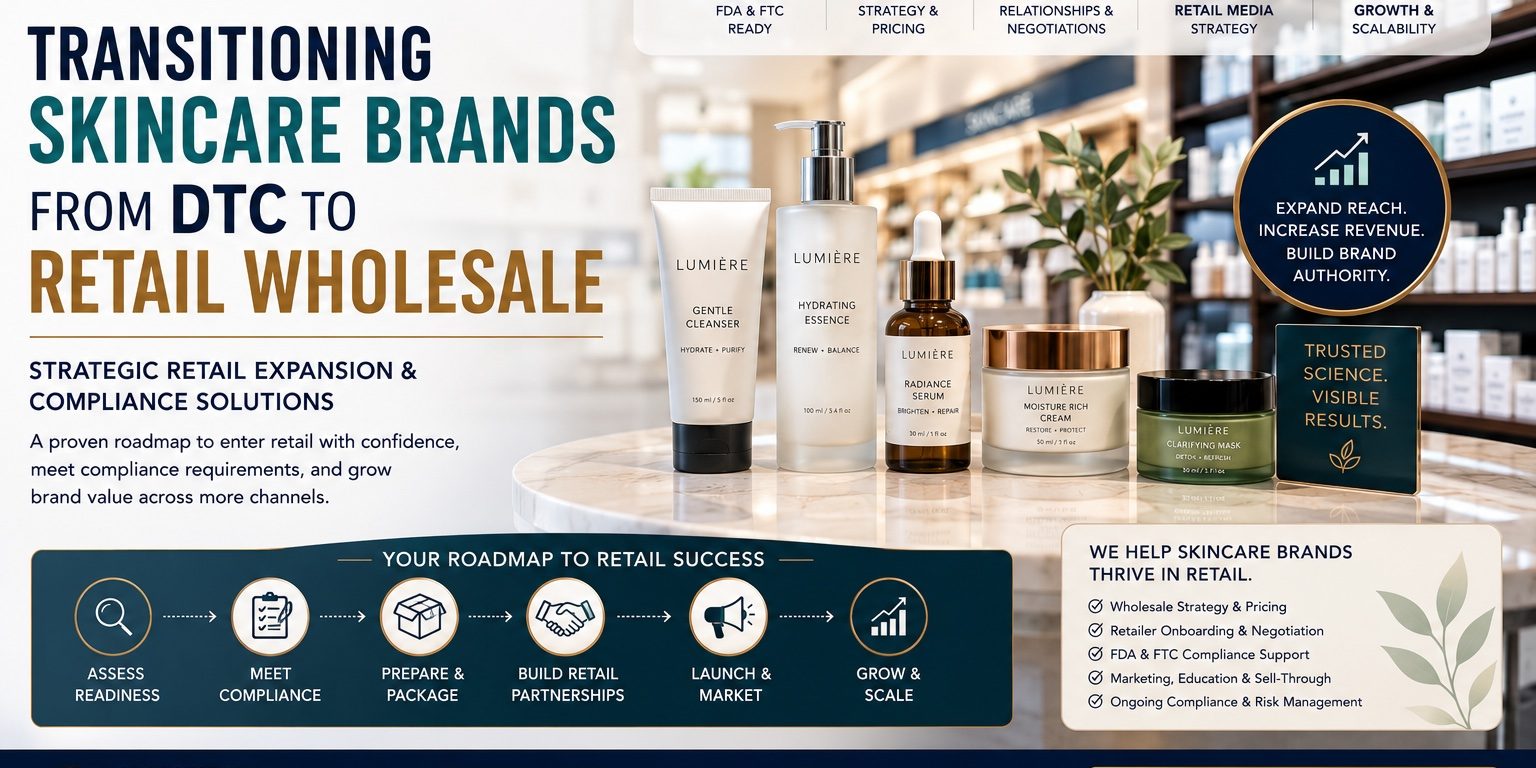
Moving a skincare brand from a direct-to-consumer (DTC) model into retail wholesale is a complex but high-value strategic move. Brands pursue this shift to broaden distribution, access new customer segments, and leverage established retail networks. This article presents clear guidance on the essential steps, regulatory obligations, and strategic frameworks required for a successful wholesale entry. With disciplined planning and appropriate operational controls, brands can mitigate risk and realize growth in the retail channel.
Assessing readiness, meeting regulatory standards, and following tested operational steps are essential to a successful transition. Case studies of brands that have executed this move offer practical lessons on execution and trade-offs. The sections that follow detail these elements to equip brands with actionable guidance for retail success.
Recent academic research indicates successful modern brands are shifting from pure digital models toward integrated online and physical channel strategies.
The DTC Reset: Strategic Transition to Wholesale for Modern [Skincare Brands](https://illuminationconsulting.com/?p=19950) The paper centers on the ‘Great DTC Reset’—a strategic pivot where brands that once bypassed intermediaries are re-entering wholesale channels to reduce operating tail risk and increase customer retention. Based on a systematic review of current retail data, it concludes that brand sustainability depends on orchestrating virtual and physical touchpoints rather than channel purity. … Great Direct-To-Consumer Reset: An Empirical Analysis of Multichannel Integration, Operational Robustness, And the Transition from Digital Isolation to Wholesale …, 2026
Key Takeaways
- Transitioning skincare brands from DTC to retail wholesale requires strategic market research and competitor analysis.
- Brands must develop clear distribution and competitive pricing strategies tailored to wholesale retail environments.
- Assessing wholesale readiness involves evaluating financial stability, operational capacity, and marketing support materials.
- Successful wholesale entry depends on integrating online and offline channels and building strong DTC websites.
- Compliance with FDA and FTC regulations is essential for product safety, labeling, and truthful advertising in retail.
- Effective wholesale strategies include integrated marketing, retail staff education, and leveraging retail media networks.
- Contract negotiations should focus on understanding retailer needs and emphasizing product sell-through potential.
- Regular compliance audits and risk management practices maintain retail partnerships and ensure ongoing regulatory adherence.
- Tracking revenue by channel and customer acquisition costs helps measure wholesale readiness and optimize market penetration.
What Are the Key Steps in Transitioning Skincare Brands from DTC to Retail Wholesale?
Transitioning to retail wholesale requires a sequence of strategic actions to enter new sales channels successfully. The starting point is rigorous market research to map competitor positions and retail consumer preferences.
- Market Research Considerations: Brands should analyze market trends, target demographics, and assess potential retail partners, identifying locations that align with brand values and product offerings.
- Distribution Strategy Development: Establish a clear distribution plan that outlines logistics, inventory management, and the methods of reaching retail partners effectively.
- Pricing Strategy Establishment: Develop a competitive pricing strategy that considers wholesale pricing structures, retailer markups, and the overall retail environment to attract prospective partners.
Following these steps positions skincare brands to capture retail opportunities more effectively.
How to Assess Wholesale Readiness for Beauty and Healthcare Brands
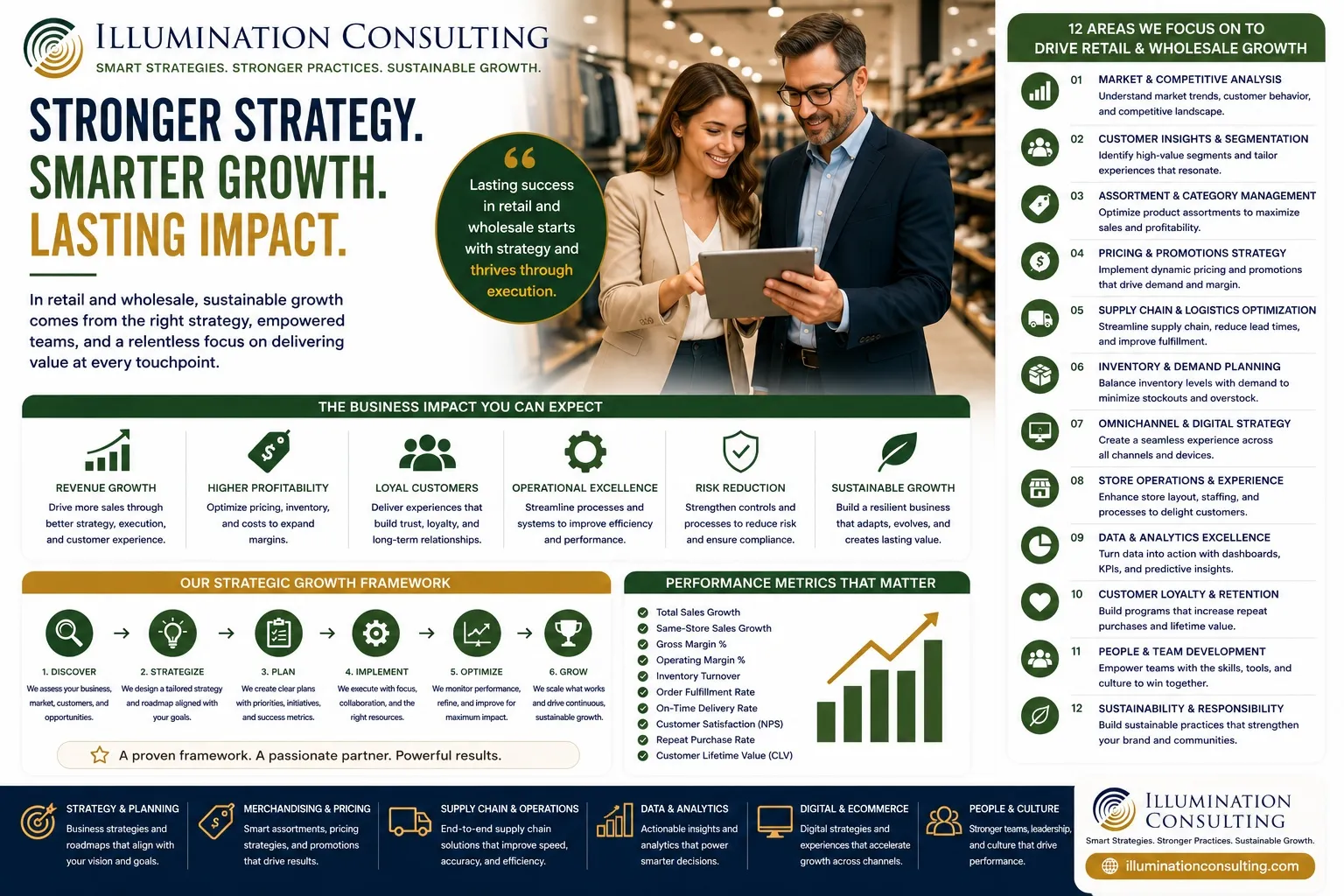
Assessing wholesale readiness determines whether a brand can meet the operational and commercial demands of retail partnerships. Skincare companies should evaluate business health and market positioning before proceeding.
- Evaluate Financial Metrics: Brands must consider their financial stability and project the potential revenue impact of entering a wholesale market. Key metrics such as current sales, inventory levels, and profit margins can indicate readiness.
- Understand Operational Capacity: Analyze whether your operations can handle increased production demands and logistics associated with retail distribution.
- Assess Marketing Support Materials: Brands should prepare “point-of-sale materials”, promotional assets, and training resources to support retail staff in effectively selling their products.
This multifaceted assessment confirms that brands can satisfy immediate wholesale requirements and sustain growth over time.
What Strategic Frameworks Support Successful Wholesale Channel Entry?
Adopting defined strategic frameworks guides a successful entry into wholesale channels. Brands should evaluate several proven approaches.
- Understand Interconnectedness of Channels: Grasping how various sales channels relate can help brands leverage online and offline opportunities for stronger performance.
- Build a Strong DTC Website: A robust direct-to-consumer website enhances brand credibility and provides valuable consumer insights that can guide retail strategies.
- Approach Retail Buyers Strategically: Understanding retail buyer needs and creating tailored pitches that highlight product uniqueness and sales potential can significantly impact partnerships.
Brands that apply these frameworks gain a strategic position to navigate retail networks and strengthen market presence.
Which Retail Compliance Regulations Must Skincare Brands Follow for Wholesale Expansion?
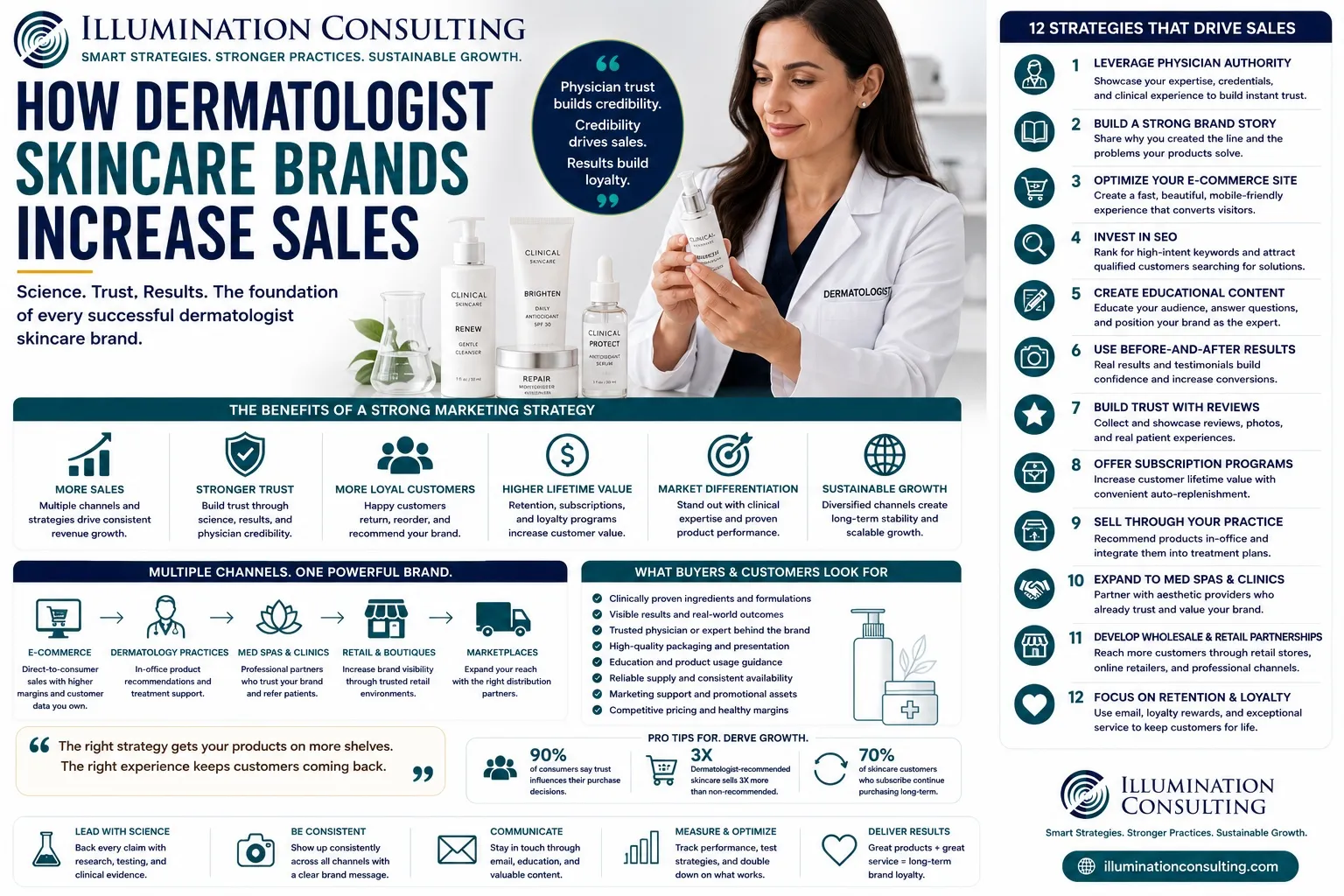
Retail compliance is essential when moving into wholesale; adhering to regulatory standards reduces liability and preserves product integrity.
How Do FDA and FTC Regulations Impact Skincare Product Compliance?
In the United States, skincare products fall under regulations enforced by the FDA and FTC. The FDA governs product safety, labeling, and packaging, requiring substantiated claims. The FTC enforces advertising standards to prevent misleading or deceptive marketing.
Adhering to these regulatory standards protects consumer trust and reduces the risk of enforcement actions.
What Are Best Practices for Ensuring Packaging and Labeling Compliance?
Packaging and labeling compliance is fundamental for wholesale entry. Brands should follow these best practices:
- Adherence to Regulatory Requirements: Ensure that all product labels accurately reflect the contents, ingredients, and usage instructions.
- Design Considerations for Packaging: Packaging should not only be visually appealing but also informative, including essential information such as expiration dates and contact details for consumer inquiries.
These practices ensure products meet legal requirements and align with retail partner expectations.
How Can Skincare Brands Develop Effective Wholesale Distribution and Retail Strategies?
Effective wholesale distribution demands a clear understanding of retail dynamics. Skincare brands should implement targeted strategies to succeed in wholesale channels.
- Integrated Marketing Strategy: A well-rounded marketing plan that harmonizes DTC efforts with retail promotions can drive overall brand visibility.
- Educate Retail Staff: Training for retail staff ensures they are well-versed in product features and benefits, enhancing customer interactions and sales likelihood.
- Utilize Retail Media Networks: Engaging with retail media networks can broaden brand exposure and attract targeted customers through strategic advertising.
These measures build durable retail partnerships and support product performance in competitive markets.
What Wholesale Channel Strategies Optimize Market Penetration?
Tailored channel strategies are vital to optimize market penetration for brands entering wholesale. Companies should prioritize:
- Understanding Channel Economics: Grasp the financial dynamics of various retail channels to align pricing and product distribution appropriately.
- Building a Strong Ecommerce Foundation: Retail success is often contingent on a solid foundation in eCommerce, leveraging online sales to inform retail strategies.
Focusing on these elements helps brands expand market presence and drive measurable sales growth.
How to Navigate Contract Negotiations with Retail Partners?
Negotiating contracts with retail partners is essential. Brands should concentrate on retailer priorities and demonstrate product sell-through potential.
- Understand Retailer Needs: Brands should approach negotiations with a good understanding of retailers’ priorities and operational needs.
- Focus on Sell-Through: Emphasizing sell-through rates and the impact of effective merchandising can be a key negotiating point.
Strong negotiation tactics yield mutually beneficial agreements and support durable retail partnerships.
Which Case Studies Demonstrate Successful DTC to Retail Wholesale Transitions?
Analyzing successful case studies provides practical insights for brands planning wholesale transitions. Past examples reveal actionable tactics and pitfalls to avoid.
How Have Aesthetic Clinic Brands Expanded Through Wholesale Channels?
Aesthetic clinic brands have expanded via wholesale by partnering with premium retailers that match their customer demographics. Their results often stem from targeted marketing and curated promotions that align with their target clients.
What Lessons Can Be Learned from Skincare Brand Retail Compliance Audits?
Compliance audits of transitioning brands commonly identify recurrent issues. Key lessons are:
- Common Compliance Issues: Issues identified typically include mislabeling, unreported ingredient changes, or non-compliance with advertising regulations.
- Strategies for Audit Preparation: Ensuring thorough internal audits and rigorous compliance checks before entering retail can help brands avoid pitfalls.
These insights inform best practices and reinforce compliance processes for future retail entries.
What Are Essential Retail Compliance Audits and Monitoring Practices for Skincare Wholesale?
Regular compliance audits and monitoring are necessary to preserve retail relationships and safeguard product integrity.
- Importance of Ongoing Compliance Tracking: Continuous tracking helps brands stay ahead of regulatory changes and adapt accordingly to maintain compliance.
- Risk Management Strategies: Implementing robust risk management strategies will mitigate potential violations and complaints from retailers or consumers.
A clear compliance programme is pivotal to sustaining successful retail partnerships.
How to Implement Ongoing Compliance Tracking and Risk Management?
To implement effective compliance tracking, skincare brands can:
- Establish Tracking Systems: Adapt technology solutions such as inventory management systems that integrate compliance within daily operations.
- Monitor Regulatory Changes: Staying informed of evolving regulations through continuous education and industry engagement is vital for compliance success.
Proactive monitoring enables brands to address regulatory changes promptly and preserve strong retail relationships.
What Metrics and KPIs Measure Wholesale Retail Readiness and Success?
Measuring retail readiness and success involves tracking several critical metrics:
- Revenue by Channel: Understanding where revenue is generated can help pinpoint successful strategies and identify areas for improvement.
- Customer Acquisition Costs: Monitoring the costs of acquiring new customers within retail environments informs budget allocations for marketing.
These metrics provide actionable insight to refine strategy and maximize wholesale performance.
Frequently Asked Questions
What factors should skincare brands consider when choosing retail partners for wholesale distribution?
When choosing retail partners, evaluate market presence, customer fit, and alignment with brand values. Review retailer reputation, sales history, and product mix to ensure a complementary fit, and confirm the retailer’s distribution capability and promotional commitment, as these factors directly affect shelf placement and sales performance.
How can skincare brands measure the effectiveness of their retail marketing strategies?
Measure retail marketing effectiveness through sales growth, customer feedback, and inventory turnover. Analyze results from in-store promotions and events, and use digital analytics to correlate online and offline engagement so you can make data-driven optimizations to marketing spend.
What are the common challenges skincare brands face during the transition to wholesale?
Common challenges include securing retail buyer relationships, managing inventory levels, meeting regulatory requirements, and competing for shelf space. A structured go-to-market strategy helps mitigate these risks and smooth the entry into retail channels.
What role does market research play in the transition from DTC to retail?
Market research supplies insights on consumer behavior, competitor activity, and market trends. Use it to identify suitable retail partners, refine pricing, and align product assortments with demand to reduce entry risk and improve commercial outcomes.
How often should skincare brands conduct compliance audits in the retail sector?
Conduct compliance audits at least every six months, with more frequent reviews during initial retail entry or after any formulation or advertising changes. Regular audits help detect issues early and enable timely corrective actions.
What are the benefits of leveraging retail media networks for skincare brands?
Retail media networks increase visibility among target shoppers via retailer digital properties and often yield higher conversion rates. They provide audience data that refines advertising strategies, drives store traffic, and supports both brand recognition and sales growth.
Conclusion
Moving from DTC to retail wholesale creates substantial opportunities to expand market reach and access new customer segments. This strategy leverages online performance while adding retail credibility, provided brands meet regulatory obligations. Applying market data and case-study lessons improves success odds. For a controlled transition, consult specialised resources and expert guidance to operationalise your retail strategy.