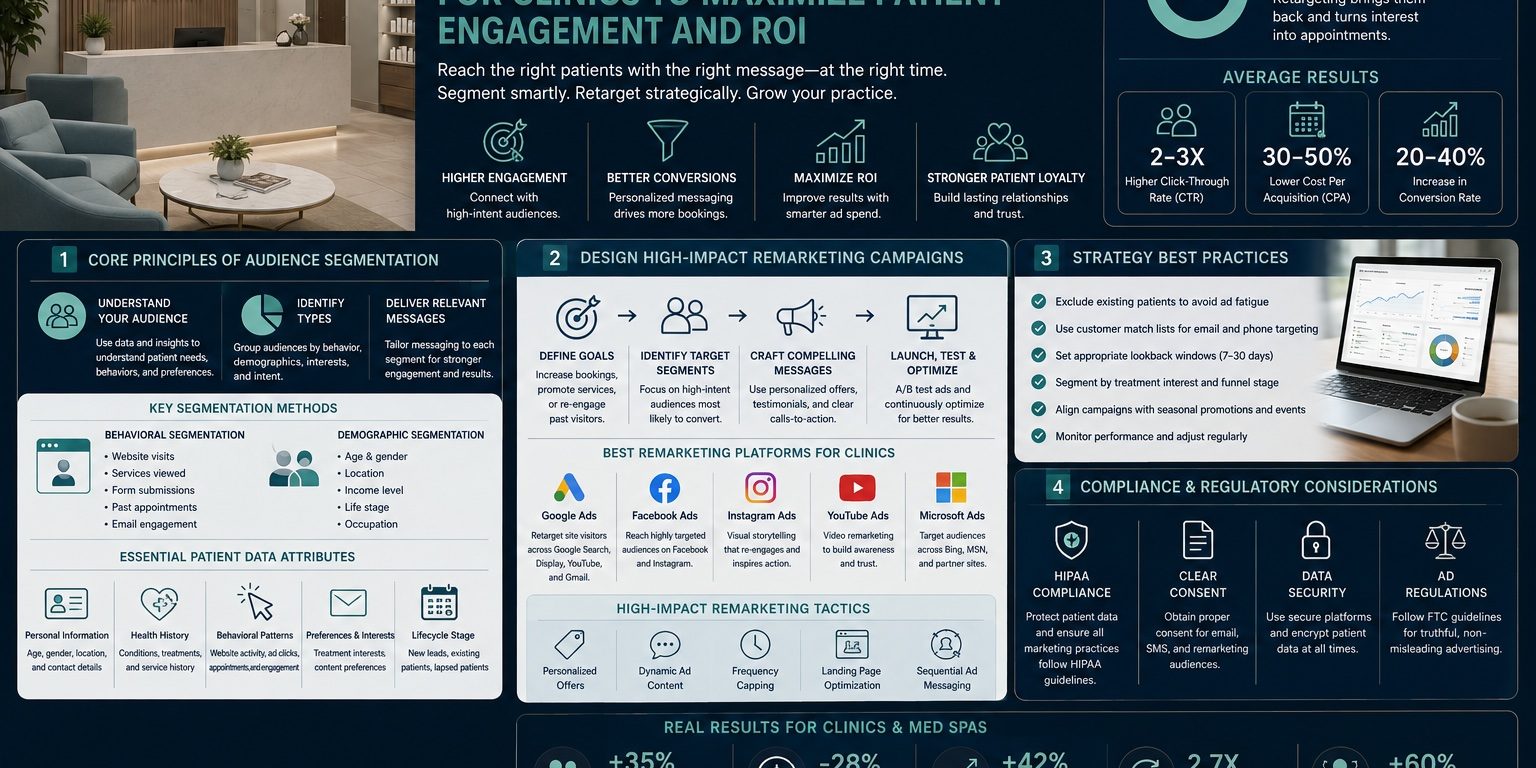
Effective Retargeting and Audience Segmentation Strategies for Clinics to Maximize Patient Engagement and ROI
In today’s digital landscape, clinics and med spas must effectively engage their audiences through targeted marketing strategies. Retargeting and audience segmentation are critical components that enhance patient engagement, driving both conversion rates and return on investment (ROI). This article explores various effective strategies for clinics to capitalize on these techniques, ensuring they reach the right people with personalized messages. The importance of understanding your audience’s specific needs cannot be overstated, as it directly impacts the success of marketing campaigns.
Moreover, clinics often face challenges in effectively reaching potential patients who have shown interest in their services but did not convert. Retargeting allows clinics to reconnect with these individuals, keeping their offerings top of mind. By delving into audience segmentation, we can identify the core principles and best practices that clinics should adopt. This article outlines essential strategies for designing impactful remarketing campaigns, methods for successfully segmenting audiences, and regulatory considerations that must be adhered to.
What Are the Core Principles of Audience Segmentation for Healthcare Ads?
Audience segmentation is the process of dividing a broad target audience into smaller, more defined categories based on specific criteria. This technique allows for tailored messaging that resonates with each segment, ultimately enhancing engagement and conversion rates. The core principles of effective audience segmentation include understanding audience needs, identifying the types of segmentation, and recognizing the significant benefits derived from this practice.
By leveraging data analytics and insights, clinics can gain a clearer understanding of their patients’ preferences and behaviors, which is crucial for crafting relevant marketing messages. Effective segmentation not only aids in improving marketing efforts but also enhances the patient journey by delivering personalized experiences.
How Do Behavioral and Demographic Segmentation Improve Clinic Marketing?

Behavioral and demographic segmentation are powerful methods that enable clinics to enhance their marketing strategies. Behavioral segmentation involves categorizing audiences based on their actions, such as website visits, service inquiries, or previous purchases. This approach allows clinics to engage with potential patients based on demonstrated interest, resulting in higher conversion rates.
Demographic segmentation, on the other hand, classifies audiences based on characteristics such as age, gender, income level, and geographic location. This method helps clinics tailor their messaging to suit specific demographic groups. By combining both behavioral and demographic approaches, clinics can optimize their marketing campaigns for maximum impact, ensuring that messages resonate with the intended audience.
Which Patient Data Attributes Are Essential for Effective Segmentation?
To achieve effective audience segmentation, clinics must consider various patient data attributes that influence marketing outcomes. Key patient data attributes include:
- Personal Information: Age, gender, and location provide insights into potential patient demographics.
- Health History: Understanding past medical conditions or treatments helps clinics target relevant services.
- Behavioral Patterns: Data on service usage, appointment attendance, and engagement can inform which patients to retarget.
By collecting and analyzing these data points, clinics can develop a more nuanced understanding of their audience, leading to improved targeting and messaging strategies.
How to Design High-Impact Remarketing Campaigns for Clinics and Med Spas?
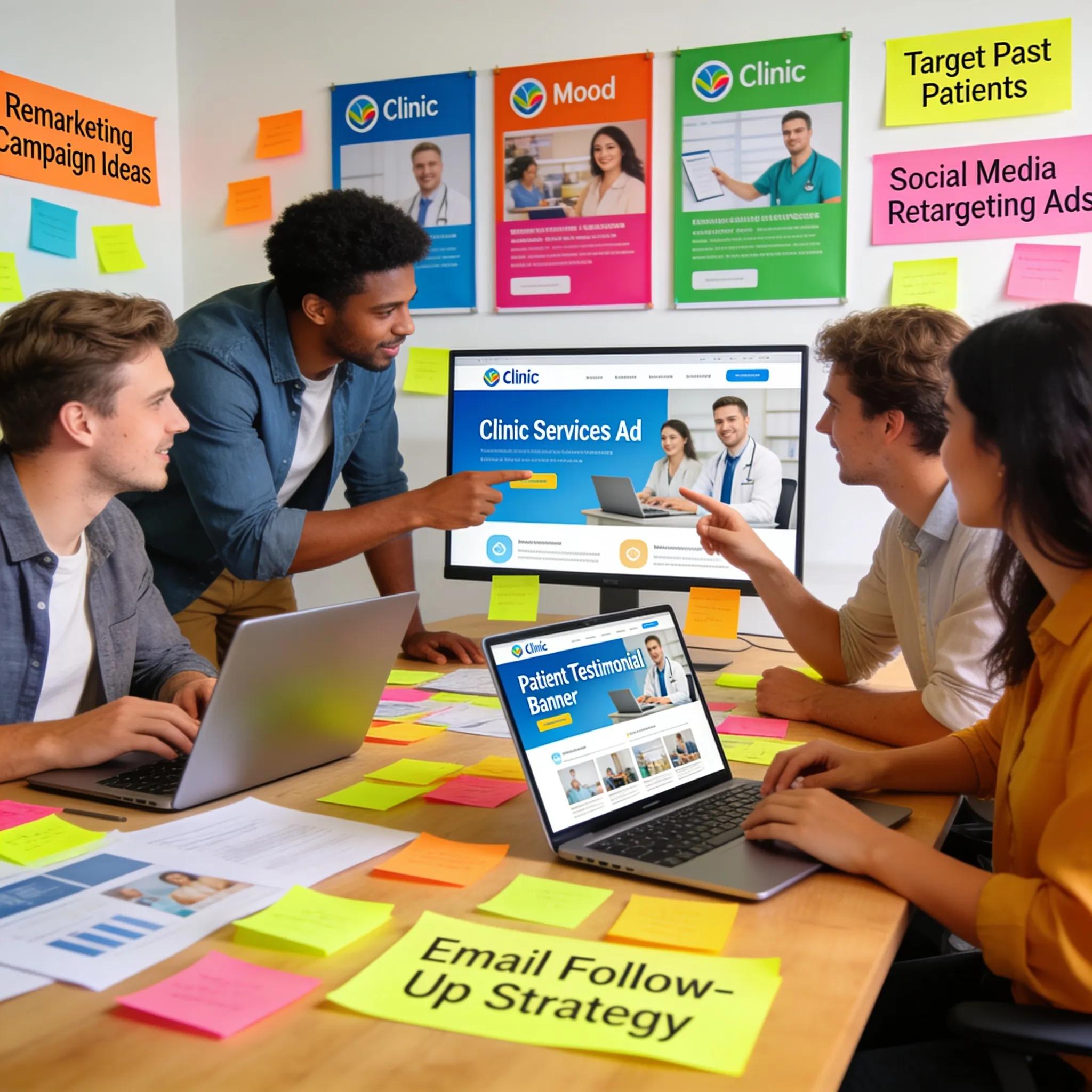
Designing effective remarketing campaigns is vital for clinics and med spas looking to nurture leads and convert them into loyal patients. High-impact remarketing involves outlining clear objectives, defining target segments, and utilizing the right marketing platforms to reach them effectively.
Furthermore, clinics can enhance their remarketing efforts through personalized ads that resonate with previous visitors. An essential aspect of this process is selecting appropriate platforms that align with audience behavior and preferences.
Which Remarketing Platforms Best Support Clinic Advertising?
When designing remarketing campaigns, clinics should consider several leading platforms that offer robust tools for effective advertising:
- Google Ads: A powerful platform for display ads that can retarget users who have previously interacted with the clinic’s website.
- Facebook Ads: Excellent for targeting specific audience segments based on demographics and interests; it supports tailored advertisements that can engage potential patients.
- Instagram Ads: An ideal choice for visually-driven campaigns, particularly effective for clinics focused on aesthetics and med spa services.
Each platform has its unique capabilities and benefits that can align with the clinic’s marketing objectives, providing opportunities for reaching prospective patients effectively.
What Are Best Practices for Customizing Clinic Remarketing Campaigns?
Customizing remarketing campaigns is crucial for maximizing patient engagement and conversion rates. Best practices for clinics include:
- Personalized Messaging: Tailor ads based on previous interactions, emphasizing services the user has expressed interest in.
- Dynamic Ads: Utilize dynamic ads that automatically display relevant treatments and promotions based on user behavior.
- Clear Calls to Action (CTAs): Ensure CTAs are compelling and direct, guiding users toward the desired action, such as scheduling an appointment or learning more about a service.
Implementing these practices within remarketing campaigns can significantly enhance their effectiveness, driving higher engagement and improved patient retention rates.
How Does Retargeting Drive Increased Conversion and Patient Retention in Clinics?
Retargeting plays a critical role in increasing conversion rates and patient retention for clinics. By specifically targeting individuals who have previously engaged with the clinic’s services or website, clinics can reinforce their brand presence and encourage potential patients to take action.
The strategic use of retargeting helps remind patients of services they might need but have not yet utilized. This approach nurtures potential leads, turning initial interest into future appointments and enhancing overall patient loyalty.
What Are Industry Benchmarks and Case Study Insights for Medical Retargeting?
Industry benchmarks indicate that retargeting can lead to significant improvements in conversion rates, often reported to be as high as 300% compared to standard advertising approaches. Case studies within the medical field showcase successful retargeting campaigns that have dramatically increased appointment bookings and patient inquiries.
For instance, clinics utilizing personalized remarketing strategies have noted a notable decrease in drop-off rates during the appointment scheduling process, translating into heightened patient retention and satisfaction.
Which Metrics and KPIs Best Measure Remarketing Effectiveness?
Measuring the effectiveness of remarketing campaigns requires careful monitoring of specific metrics and key performance indicators (KPIs). Important metrics include:
- Click-through Rate (CTR): Indicates how many users are engaging with ads, providing insights into campaign effectiveness.
- Conversion Rate: Measures the percentage of users who complete desired actions, critical for evaluating success.
- Return on Ad Spend (ROAS): Assesses the revenue generated for every dollar spent on advertising, revealing the profitability of campaigns.
By tracking these metrics, clinics can continuously refine their remarketing strategies to maximize ROI.
What Compliance and Data Privacy Standards Must Clinics Follow in Audience Segmentation?
As clinics engage in audience segmentation and retargeting, compliance with data privacy standards is paramount. Clinics must adhere to regulations like HIPAA (Health Insurance Portability and Accountability Act), which governs the handling of sensitive patient information. Understanding these regulations is essential to avoid legal pitfalls and maintain patient trust.
How to Implement HIPAA-Compliant Segmentation and Remarketing?
Implementing HIPAA-compliant audience segmentation and remarketing requires several carefully considered steps:
- Data Security Protocols: Ensure all patient data is securely stored and accessed only by authorized personnel.
- Anonymization: Where possible, anonymize patient data to protect their identity while still allowing for effective segmentation.
- Patient Consent: Obtain explicit consent from patients regarding the use of their data for marketing purposes.
By following these steps, clinics can structure their marketing strategies while ensuring compliance with critical data privacy regulations.
What Are Emerging Regulations Impacting Clinic Digital Marketing?
Emerging regulations continue to evolve and impact clinic digital marketing practices. Examples include increasing scrutiny over online privacy, with laws such as the California Consumer Privacy Act (CCPA) shaping how user data is collected and utilized in marketing efforts.
Clinics must remain vigilant and adaptable to these regulations to avoid compliance issues. Understanding potential changes allows clinics to forecast and prepare their strategies accordingly.
Which Advanced AI Tools and Automation Enhance Clinic Audience Segmentation and Retargeting?
The integration of advanced AI tools and automation can greatly enhance audience segmentation and retargeting efforts for clinics. These technologies streamline the analytical processes, allowing for more precise targeting and personalized marketing campaigns.
AI-driven solutions provide insights into patient behavior, preferences, and engagement patterns, significantly improving the accuracy of marketing efforts.
Modern healthcare marketing increasingly leverages advanced technological solutions to optimize campaign effectiveness, demonstrating the growing reliance on sophisticated tools to manage, automate, and analyze patient engagement strategies more efficiently.
AI & ML for Healthcare Marketing: Patient Engagement & ROI
Secure enterprise healthcare marketing platforms powered by machine learning (ML) and AI-driven cloud automation are transforming how healthcare organizations engage patients, optimize outreach strategies, and ensure regulatory compliance. As digital transformation reshapes healthcare ecosystems, marketing operations increasingly rely on cloud-based infrastructures to manage patient data, automate campaigns, and analyze behavioral insights in real time. These platforms integrate predictive analytics, personalization engines, and secure data governance frameworks to enhance patient acquisition, retention, and engagement while safeguarding sensitive health information. Secure Enterprise Healthcare Marketing Platforms Using Machine Learning Enabled AI Driven Cloud Automation, 2024
How Can AI-Driven Behavioral Insights Optimize Patient Targeting?
AI-driven behavioral insights analyze vast amounts of patient data to uncover trends and patterns that can optimize targeting strategies. By employing machine learning algorithms, clinics can identify key indicators of patient interest, tailoring their marketing messages to address these insights effectively.
For instance, AI can determine optimal times to reach out to patients or which services are likely to attract interest based on past behaviors. This level of personalization enhances the likelihood of engagement and conversion.
What Are Automated Remarketing Solutions for Scalable Clinic Campaigns?
Automated remarketing solutions allow clinics to implement scalable campaigns without sacrificing personalization. By automating the delivery of tailored ads based on user behavior, clinics can maintain consistent engagement with potential patients.
These solutions enable clinics to run multiple campaigns simultaneously, adjusting for audience responses in real time. This approach ensures that clinics remain relevant and connected with their audiences.
How to Implement and Monitor Retargeting Campaigns for Continuous Improvement?
Implementing and monitoring retargeting campaigns is essential for driving continuous improvement in clinic marketing strategies. By adopting a systematic approach, clinics can enhance the efficacy of their campaigns over time.
Monitoring campaign performance is vital for understanding what works and what needs refinement. Through regular analysis, clinics can optimize their targeting methods and messaging to increase engagement.
What Internal Linking and Content Strategies Support Clinic Retargeting Success?
Internal linking and robust content strategies play a key role in supporting retargeting efforts. Clinics can drive traffic back to their sites by creating relevant, informative content that links seamlessly to services they provide.
Utilizing blog posts and articles to share valuable health information keeps potential patients engaged and encourages them to return for additional insights or to schedule appointments. This strategy effectively nurtures leads and cultivates patient loyalty.
Which KPIs and Tools Provide Reliable Campaign Monitoring?
Effective campaign monitoring hinges on selecting relevant KPIs and utilizing appropriate tools. Important KPIs include:
- Engagement Rate: Measures how often users engage with content.
- Lead Conversion Rate: Assesses the efficiency of converting leads into scheduled appointments.
- Cost-per-Acquisition (CPA): Determines the cost incurred for acquiring a new patient through marketing efforts.
Tools such as Google Analytics, Facebook Insights, and specialized marketing platforms can provide in-depth reporting and analytics, enabling clinics to track the success of their retargeting campaigns effectively.