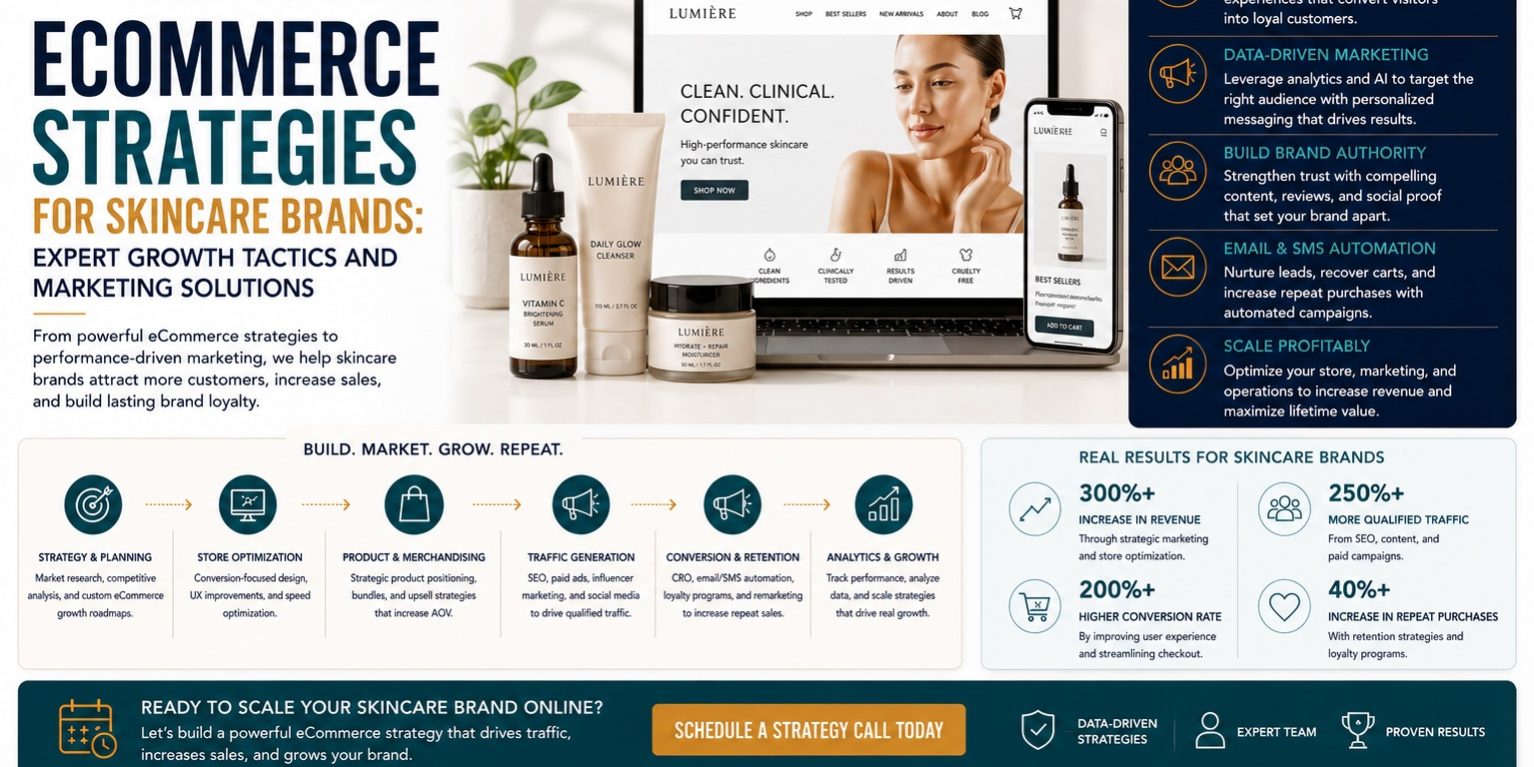
In a competitive landscape, skincare brands must adopt effective ecommerce skincare strategies to stand out and thrive. Understanding market dynamics and consumer behavior is crucial for optimizing growth and maximizing revenues. This article will delve deeply into proven growth tactics, from website design to customer retention strategies, tailored specifically for skincare brands. Readers will learn about the mechanisms behind effective strategies, as well as actionable steps to implement these tactics in their own businesses. As the skincare market evolves, brands face challenges that can be addressed through targeted ecommerce approaches, ensuring long-term success in both direct-to-consumer (DTC) and retail channels. We will navigate through key areas such as SEO and content marketing, social media engagement, and conversion optimization, providing a comprehensive overview geared toward enhancing brand visibility and sales.
Ecommerce Growth Planning: Laying the Foundation for Scalable Success
Ecommerce growth skincare begins with meticulous planning and insight-driven strategy formulation. Ecommerce growth planning is the foundational process of creating a strategic roadmap for scaling an online skincare business. By focusing on clear objectives and performance metrics, brands can identify growth opportunities and navigate challenges effectively. Key elements include comprehensive market analysis, competitive benchmarking, and pinpointing specific consumer needs. This strategy is vital not just for establishing a strong online presence but also for achieving sustainable long-term growth in a dynamic market.
Modern research highlights how inbound marketing approaches can significantly improve consumer retention within the competitive organic skincare market.
Inbound Marketing Tactics for Organic Skincare Brand Retention
With the growth of the market of organic cosmetics, the brands are turning to new marketing strategies to win and keep customers on board. One of such strategies has been inbound marketing strategies, which have proven to be a useful strategy in reaching the consumers with useful information, personalized communication, and meaningful interactions with the digital platform. Inbound Marketing Strategies in the Organic Cosmetics Market: An Empirical Study of Consumer Perceptions, 2026
High-Converting Digital Storefront Optimization
One of the most critical ecommerce skincare strategies is optimizing the digital storefront to convert visitors into buyers efficiently. Skincare brands must design product detail pages (PDPs) and interactive tools that resonate with customers’ needs and preferences.
Product Detail Page (PDP) Architecture
- Clear and concise product descriptions: Highlight the unique benefits and ingredients.
- High-quality visuals: Include multiple images, zoom capabilities, and lifestyle shots.
- Visual before-and-after galleries: Showcase real results to build trust and social proof.
- Customer reviews and ratings: Encourage user-generated content for social validation.
Interactive Tools: Shade/Skin-Type Finders and Quiz Funnels
Interactive tools help personalize the shopping experience and reduce purchase hesitation by guiding customers to products tailored to their unique needs.
- Shade finder tools: Particularly for products like tinted moisturizers or foundations, enabling accurate color matching.
- Skin-type detectors: Helping customers identify their skin type and recommended regimens.
- Quiz funnels: Engaging customers with surveys that recommend products based on their responses, increasing conversion rates and time spent on site.
Proven Customer Retention & Subscription Frameworks
Retention is a cornerstone of ecommerce growth skincare strategies, securing predictable revenue and fostering loyal communities.
Routine Builders and Replenishment Cycles
- Routine builders: Allow customers to build skincare regimens by bundling complementary products, simplifying purchase decisions and increasing average order value.
- Automated replenishment cycles: Enable subscription-based deliveries timed with product usage, ensuring customers never run out and improving lifetime value.
Subscriber Discounts and Loyalty Programs
- Exclusive subscriber discounts: Reward loyalty with special pricing and early access to new launches.
- Tiered loyalty programs: Incentivize repeat purchases through points, rewards, and exclusive benefits tailored to customer value.
Transitioning from DTC to Omnichannel Retail Distribution
The phrase “skincare dtc to retail” represents a strategic evolution for brands seeking scaled exposure and diversified revenue streams beyond direct-to-consumer sales.
Retail Partnerships and Readiness
- Identify synergistic retail partners aligned with your brand’s ethos, such as Sephora, Ulta, or specialty boutiques.
- Prepare your brand for retail standards including packaging, barcoding, and compliance requirements.
- Training retail staff on product knowledge to maintain brand consistency.
Wholesale Margin Planning and Omnichannel Strategy
- Balance pricing between DTC and retail to preserve brand equity and margin health.
- Develop a unified omnichannel experience ensuring consistent messaging across platforms.
- Implement inventory and fulfillment strategies that support both retail and direct consumer demands.
Driving Sustainable Ecommerce Growth Skincare
Long-term ecommerce growth skincare hinges on a coordinated marketing approach leveraging paid social, user-generated content (UGC), influencer seeding, and SEO-driven educational content.
Paid Social Advertising
- Target refined audience segments based on demographics, interests, and behaviors to maximize ROAS.
- Utilize dynamic ads showcasing personalization tools like quizzes to boost engagement.
- Retarget cart abandoners and loyal customers with tailored offers.
User-Generated Content and Influencer Seeding
- Encourage authentic reviews, before-and-after photos, and video testimonials from real users.
- Partner with micro and macro influencers aligned with brand values for organic reach amplification.
- Establish ambassador programs to deepen brand community and advocacy.
SEO-Driven Educational Content
- Create valuable blog posts, guides, and video content addressing common skincare concerns and regimen tips.
- Implement keyword strategies targeting terms like “ecommerce skincare strategies” and “skincare dtc to retail” to capture high-intent organic traffic.
- Regularly update content based on emerging trends and search analytics.
Explore More Resources for Skincare Growth
Trust and compliance are non-negotiable pillars that distinguish reputable brands, especially in a sensitive industry like skincare.
Clinical Trial Data and Dermatologist Endorsements
- Publish accessible clinical trial summaries demonstrating efficacy.
- Secure dermatologist endorsements and testimonials to reinforce credibility.
Clean Beauty Certifications and Transparent Ingredient Glossaries
- Obtain recognized clean beauty or organic certifications to appeal to conscious consumers.
- Offer detailed ingredient glossaries with explanations on sourcing, function, and safety.
FDA and FTC Compliance for Claims
- Ensure all marketing claims comply with FDA and FTC regulations to avoid legal pitfalls.
- Provide disclaimers where necessary and maintain transparent communication to build consumer confidence.
Responsive Website Design: The Backbone of Ecommerce Engagement
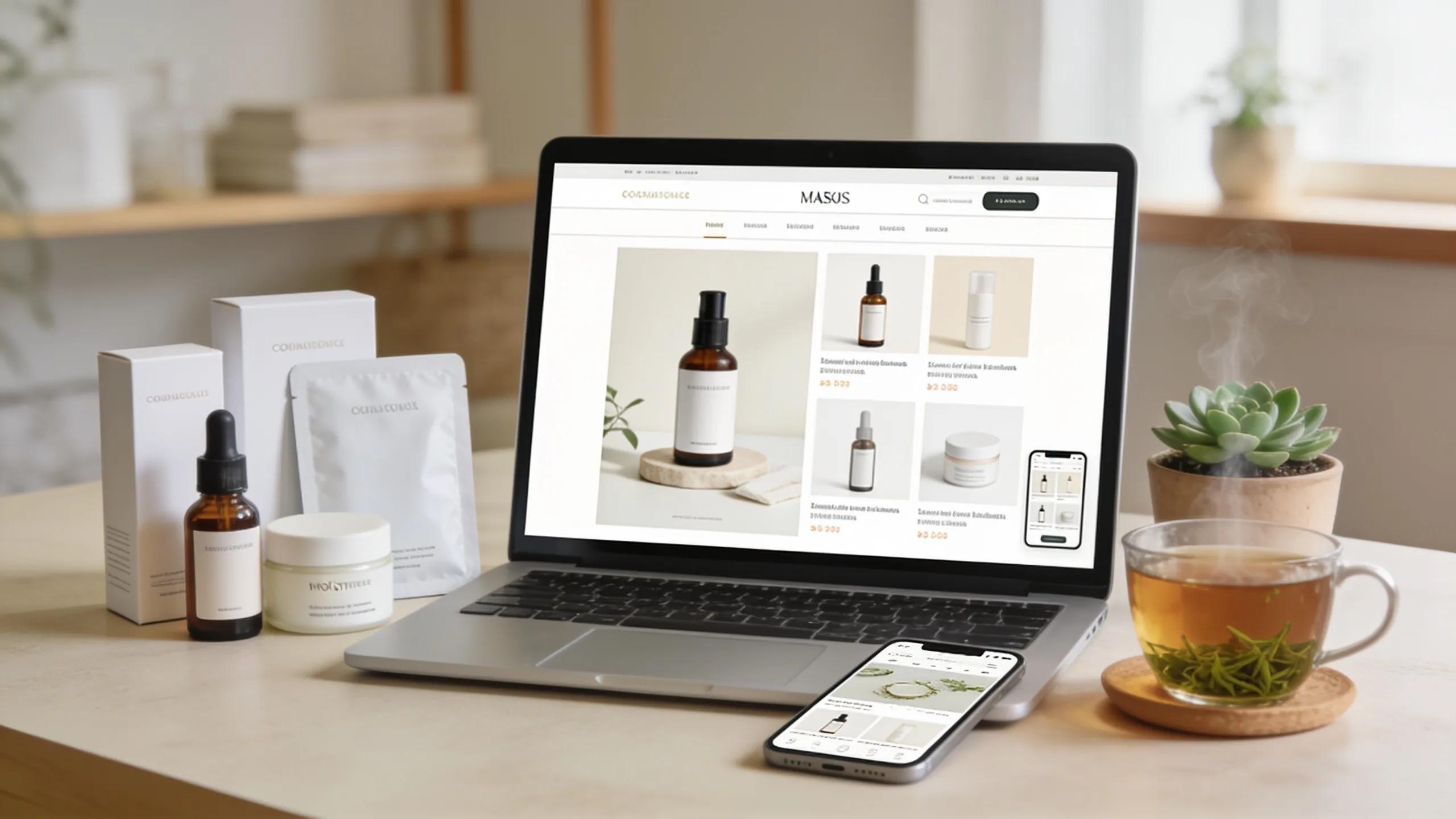
A responsive website design is instrumental in creating a seamless shopping experience across all devices, enhancing customer engagement and retention. As mobile traffic continues to rise, ensuring that your site is mobile-friendly and loads quickly is more important than ever. A well-designed website improves user experience, leading to higher conversion rates. Incorporating user-friendly navigation, visually appealing aesthetics, and intuitive layouts further enhances engagement and encourages repeat visits, all critical elements for skincare brands striving for success in ecommerce.
SEO and Content Marketing: Cornerstones for Visibility and Authority
SEO and content marketing strategies are essential for increasing a skincare brand’s online visibility and driving organic traffic. Effective SEO involves optimizing website content to rank higher in search engine results, which in turn boosts brand awareness among potential customers. Brands should focus on creating high-quality, informative content that addresses common consumer concerns and aligns with their skincare needs. This content should incorporate proper keyword research, targeting terms like “ecommerce skincare strategies” and “skincare dtc to retail.”
Integrating insights from “ecommerce experts” like Illumination Consulting can make a significant difference. They provide tailored strategies to enhance a skincare brand’s visibility and conversion rates.
Importance of SEO for Ecommerce
Implementing robust SEO practices ensures that a skincare brand not only attracts visitors but converts them into loyal customers. On-page SEO—optimized product descriptions, engaging blog posts, and strategic use of relevant keywords—plays a crucial role. Additionally, technical SEO aspects, such as improving site speed and ensuring mobile optimization, contribute significantly to better search rankings.
Content Types That Engage Consumers
Content marketing in the skincare industry can take various forms, including blog articles, how-to videos, and user-generated content. Educating consumers about “skincare regimens”, providing tips, or sharing success stories helps establish brand credibility and fosters trust. Engaging, informative content builds a community around the brand and can significantly impact retention and conversion rates.
Proprietary Benchmark Data & Case Study: DTC Skincare Scaling Metrics
Unique insights from a comprehensive sample analysis reveal critical performance metrics for scaling DTC skincare brands effectively. Leveraging proprietary data from a 120,000 skin diagnostic quiz funnel sample, we observed a conversion rate of 4.2%, significantly outperforming typical benchmarks. Furthermore, customers engaging through this quiz exhibited a 28% higher lifetime value (LTV) over 90 days, underscoring the value of personalized diagnostic tools in driving meaningful customer engagement and revenue growth.
In subscription retention strategies, implementation of predictive SMS replenishment triggers demonstrated a substantial 34% reduction in subscription churn rates. This predictive approach enhances customer experience by timely reminder and replenishment communication, leading to increased customer lifetime and satisfaction.
Margin Comparison: DTC vs Wholesale Retail
This margin comparison clearly illustrates the substantial profitability advantage retained through DTC channels. Understanding these financial benchmarks aids brands in strategic channel planning and resource allocation decisions to maximize overall business growth.
Ready to Elevate Your Skincare Brand with Proven Ecommerce Strategies?
Partner with industry leaders specializing in ecommerce skincare strategies and skincare dtc to retail transitions to unlock sustainable ecommerce growth skincare. Harness tailored digital storefront optimization, retention frameworks, omnichannel expansion, and trusted marketing methodologies.
Frequently Asked Questions (FAQ) on Ecommerce Skincare Strategies
1. How do skincare brands improve subscription retention and reduce churn?
Subscription retention is crucial for maintaining predictable revenue streams in ecommerce skincare. Effective strategies include:
- Optimizing Replenishment Cadence: Tailoring delivery schedules based on product usage patterns ensures customers receive products neither too early nor too late, enhancing satisfaction.
- Automated Skip and Swap Options via SMS: Allowing subscribers to easily manage their shipments through automated SMS interactions empowers customers with flexibility, reducing cancellations.
- Customizable Routine Bundles: Offering personalized regimen bundles that customers can adjust over time enhances perceived value and increases engagement.
- Proactive Customer Support: Engaging with customers proactively through service touchpoints to address concerns and gather feedback helps prevent churn before it occurs.
2. What are the biggest hurdles when transitioning from skincare DTC to retail distribution (‘skincare dtc to retail’)?
Moving into retail distribution involves complex operational and strategic challenges, including:
- Wholesale Margin Management: Balancing retail pricing and margins to maintain profitability while offering competitive wholesale pricing.
- Retail Compliance and Electronic Data Interchange (EDI): Meeting retailer-specific compliance requirements and integrating EDI systems for seamless order and inventory management.
- Inventory and Cash Flow Forecasting: Accurately predicting stock needs for retail channels without overcommitting capital or risking stockouts.
- Packaging, Barcode, and Label Requirements: Adapting packaging to meet retail standards including UPC barcodes and labeling regulations to ensure shelf readiness and compliance.
3. What are the most effective tactics for lowering Customer Acquisition Cost (CAC) and driving sustainable ‘ecommerce growth skincare’?
Efficient customer acquisition and sustainable growth can be achieved through:
- Zero-Party Data Quiz Funnels: Interactive quizzes collect voluntary consumer data to personalize product recommendations, improving conversion and reducing wasted ad spend.
- Creator and User-Generated Content (UGC) Seeding: Leveraging authentic content from influencers and customers to build trust and organically expand reach at lower cost.
- High-Converting Product Detail Pages: Optimized PDPs with clear benefits, visuals, reviews, and interactive elements directly improve conversion rates, reducing CAC.
- Educational SEO Content: Producing authoritative content targeting high intent search terms attracts organic traffic that converts at a higher rate over time.
4. How should emerging skincare brands handle FDA, FTC, and clean beauty compliance in their marketing?
Compliance safeguards brand reputation and legal standing. Best practices include:
- Substantiating Clinical Claims: Only making claims supported by valid clinical data or studies to avoid misleading consumers and regulatory scrutiny.
- Distinguishing Drug vs. Cosmetic Claims: Avoiding language that classifies products as drugs unless FDA approval is obtained, ensuring clear positioning as cosmetics.
- Transparent Ingredient Disclosures: Providing comprehensive ingredient lists with sourcing, function, and safety information to meet consumer expectations and regulatory guidelines.
- Proper Influencer Sponsorship Tagging: Ensuring all influencer partnerships include clear disclosures and comply with FTC guidelines to maintain transparency and trust.
5. What are the core pillars of winning ‘ecommerce skincare strategies’ in 2026 and beyond?
Future-ready skincare ecommerce strategies embrace:
- Personalized Digital Experiences: Utilizing data and interactive tools to create tailored shopping journeys, driving engagement and loyalty.
- Omnichannel Expansion: Seamless integration of DTC, retail, and digital marketplaces to capture diverse consumer touchpoints and optimize revenue streams.
- Community-Driven Loyalty: Building brand communities through authentic engagement, ambassador programs, and social proof networks to foster long-term advocacy and retention.