Influencer Marketing for Skincare and Clinics: Strategic Growth and Measurable Results
Influencer marketing has become a vital strategy for skincare brands and clinics looking to enhance their outreach and customer engagement. By leveraging influencers, brands can tap into established audiences and create authentic connections that drive awareness and sales. This article delves into the mechanisms of influencer marketing specifically within the skincare and clinic sectors, providing insights into effective strategies, compliance guidelines, and successful case studies. Readers will discover the diverse types of influencers, how to measure campaign success, and the evolving social media landscape impacting marketing practices today. Key sections include discussions on engagement metrics, legal regulations, and the platforms that best optimize influencer marketing efforts.
Which Influencer Types Best Drive Skincare and Clinic Growth?
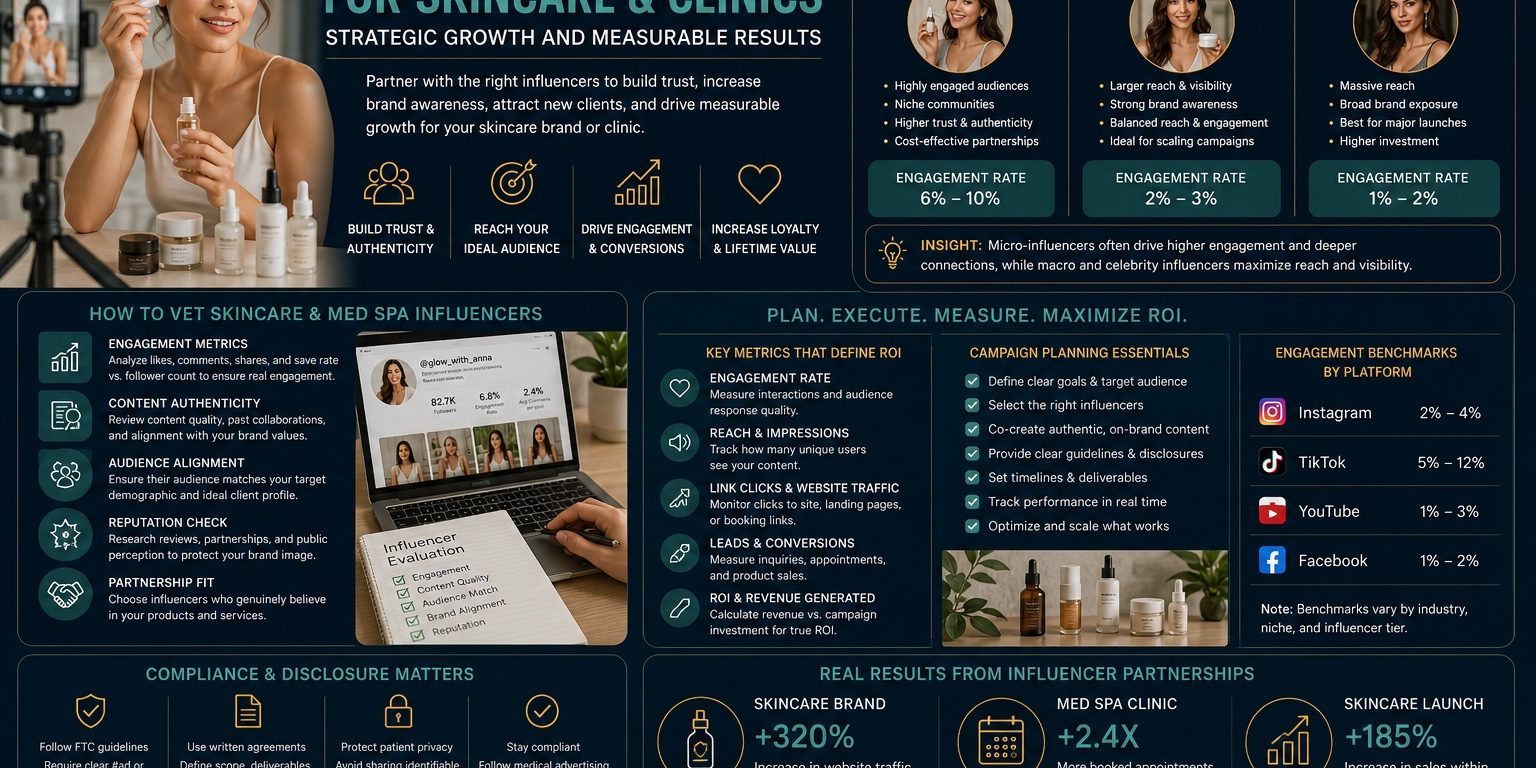
Identifying the right influencer type is crucial for brands aiming to maximize their marketing efforts. Influencer types vary from micro to macro, each offering distinct advantages and challenges. Micro-influencers, typically those with a follower count between 1,000 to 100,000, often foster closer relationships with their audience, leading to higher engagement levels. On the other hand, macro-influencers and celebrities, who boast significantly larger followings, can amplify brand messages to broader audiences but may lack the intimate connection that micro-influencers provide. Understanding these dynamics helps brands choose the appropriate influencer to match their growth objectives.
How to Vet Skincare and Med Spa Influencers for Authentic Partnerships
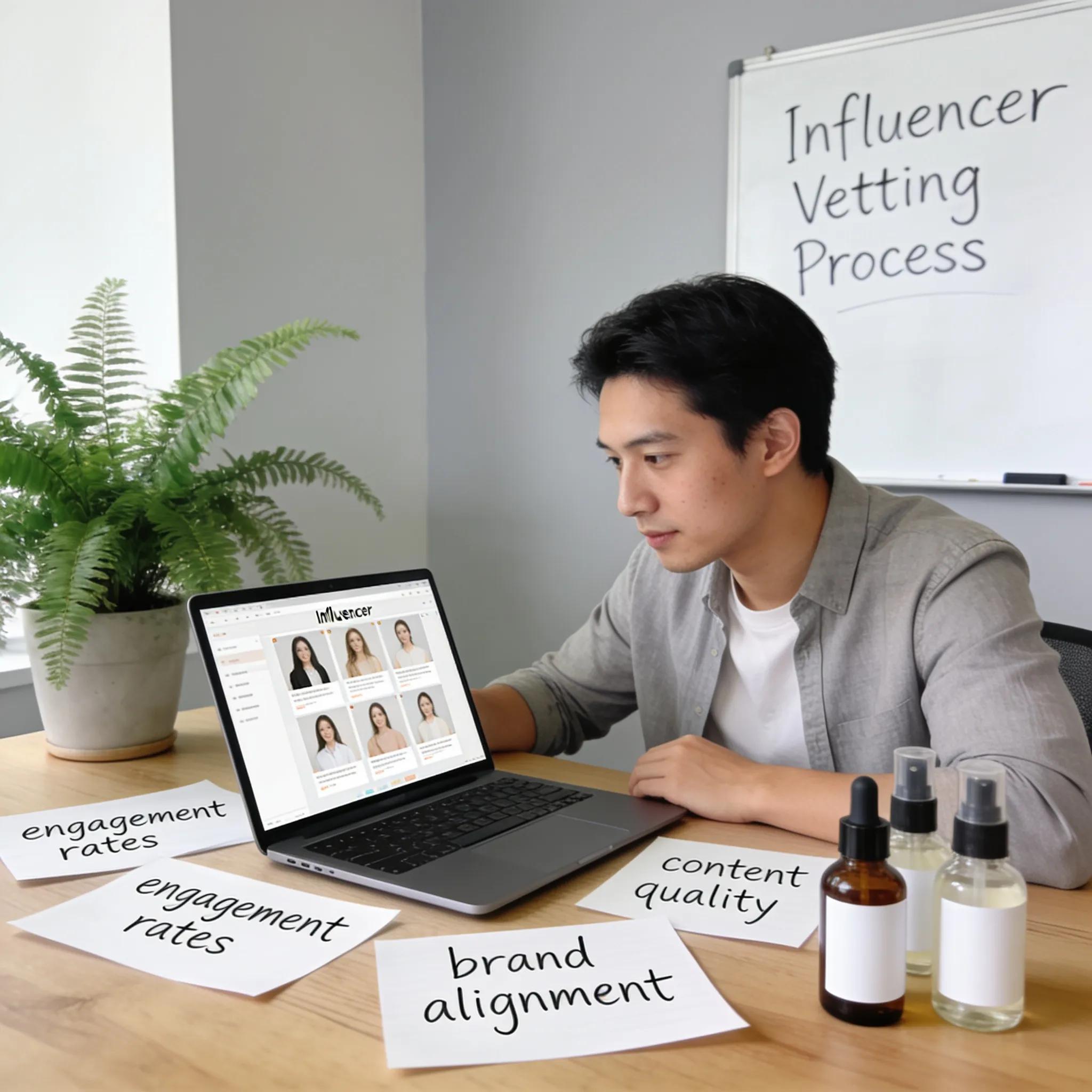
To build successful partnerships with influencers, skincare brands and clinics must implement a thorough vetting process. Authenticity is paramount; brands should evaluate potential influencers against criteria that include:
- Engagement Metrics: Analyze likes, comments, and shares relative to their follower count to gauge genuine interaction.
- Content Authenticity: Review past collaborations and content to ensure alignment with brand values and target audiences.
- Reputation: Investigate previous promotions for any negative feedback or controversies that may affect brand reputation.
Ensuring that the influencer resonates with the brand’s ethos is vital in establishing a successful partnership.
What Are the Engagement Differences Between Micro and Macro Influencers?
Engagement differences between micro and macro influencers can significantly impact a campaign’s effectiveness. Micro-influencers often exhibit higher engagement rates, with studies indicating that their followers are more likely to trust their recommendations. On average, micro-influencers enjoy engagement rates of around 6-10% compared to 2-3% for macro influencers. This difference highlights the potential for micro-influencers to generate authentic conversations around products, leading to increased sales and customer loyalty. Brands should weigh these metrics when deciding the influencer type that aligns best with their marketing goals.
For further insight into how engagement rates vary across different influencer tiers, consider this research on TikTok’s beauty sector.
Comparative Engagement Rates of Skincare Influencer Tiers on TikTok
TikTok has become one of the primary platforms for influencer marketing strategies among beauty brands in Indonesia. However, the assumption that mega influencers always generate the highest engagement has not been widely tested empirically. This study compares the engagement rate (ER) of beauty content across four influencer tiers, namely nano, micro, macro, and mega influencers on Indonesian TikTok. Data were collected through non-participant observation of 120 videos from 12 accounts using purposive sampling. Data analysis was conducted using the Kruskal-Wallis test and post hoc Mann-Whitney test with Bonferroni correction. The results revealed a significant difference in ER among the four influencer tiers (H = 17.311; p = 0.001; ε² = 0.145). Macro influencers had the highest mean ER (11.634%) and differed significantly from all other tiers. In contrast, mega influencers were not consistently superior, while nano influencers were not found to have the lowest ER. Mega Studi komparatif engagement rate konten kecantikan berdasarkan tier influencer TikTok: nano, micro, macro, mega, 2026
How to Plan and Measure Successful Influencer Campaigns for Clinics and Skincare Brands?
Planning and executing influencer campaigns requires a structured approach to ensure measurable results and strategic growth. First, brands should outline clear objectives, whether it be increasing brand awareness, generating leads, or driving sales. Once goals are established, companies can select influencers who align with their target demographics and values. Collaborative campaign planning involves developing content that resonates with both the influencer’s audience and the brand’s messaging.
What Key Metrics Define ROI in Skincare and Med Spa Campaigns?
Measuring return on investment (ROI) in influencer campaigns involves tracking various key performance indicators (KPIs) such as:
- Engagement Rate: The ratio of interactions (likes, shares, comments) to total followers.
- Conversion Rate: The percentage of users who take a desired action, such as making a purchase after viewing the influencer’s content.
- Brand Awareness Lift: Improvements in brand recall and recognition measured pre and post-campaign through surveys.
Using these metrics, brands can effectively assess campaign performance and refine future strategies for enhanced results.
Which Steps Ensure Effective Campaign Strategy and Execution?
A successful influencer marketing campaign requires a series of calculated steps:
- Define Goals: Establish what the campaign should achieve, such as increased website traffic or product sales.
- Select the Right Influencers: Choose influencers whose audiences align with the target demographic for the promotional objectives.
- Content Collaboration: Work closely with influencers to create content that feels organic and engaging while highlighting key brand messages.
- Monitor and Adjust: Continuously track campaign performance against KPIs and make real-time adjustments to improve outcomes.
Following these steps can help brands navigate the complexities of influencer marketing while optimizing their results.
What Legal and Regulatory Compliance Rules Impact Med Spa Influencer Marketing?
Legal compliance is a cornerstone of influencer marketing, particularly in the skincare and medical spa industries where regulations can be stringent. Brands must ensure that their influencer partnerships adhere to relevant advertising standards, particularly regarding claims made about products or services.
How to Navigate FDA Guidelines and Advertising Restrictions for Clinics
Influencers marketing skincare and medical treatments must be aware of FDA regulations regarding endorsements and claims. The FDA mandates that all marketing must avoid misleading information about product efficacy and side effects. Influencers should disclose any paid partnerships or sponsorships clearly to followers, ensuring transparency. Non-compliance risks severe legal penalties and damage to brand reputation.
Which Compliance Practices Protect Brand Reputation and Customer Trust?
To protect brand reputation and maintain customer trust, brands should:
- Implement Disclosure Policies: Require influencers to disclose paid partnerships appropriately to promote transparency.
- Conduct Regular Audits: Monitor influencer content to ensure compliance with FDA guidelines and industry standards.
- Engage in Continuous Education: Provide influencers with training on legal advertising practices and the importance of ethical marketing.
These practices not only foster trust but also enhance brand loyalty among consumers.
Which Social Media Platforms Optimize Influencer Marketing for Skincare and Clinics?
Different social media platforms present unique opportunities for influencer marketing, with some proving to be more effective for skincare and clinics than others. Instagram remains a leading platform for beauty influencers due to its visual nature, which allows brands to showcase product efficacy through engaging content.
How to Leverage Instagram and TikTok for Maximum Engagement
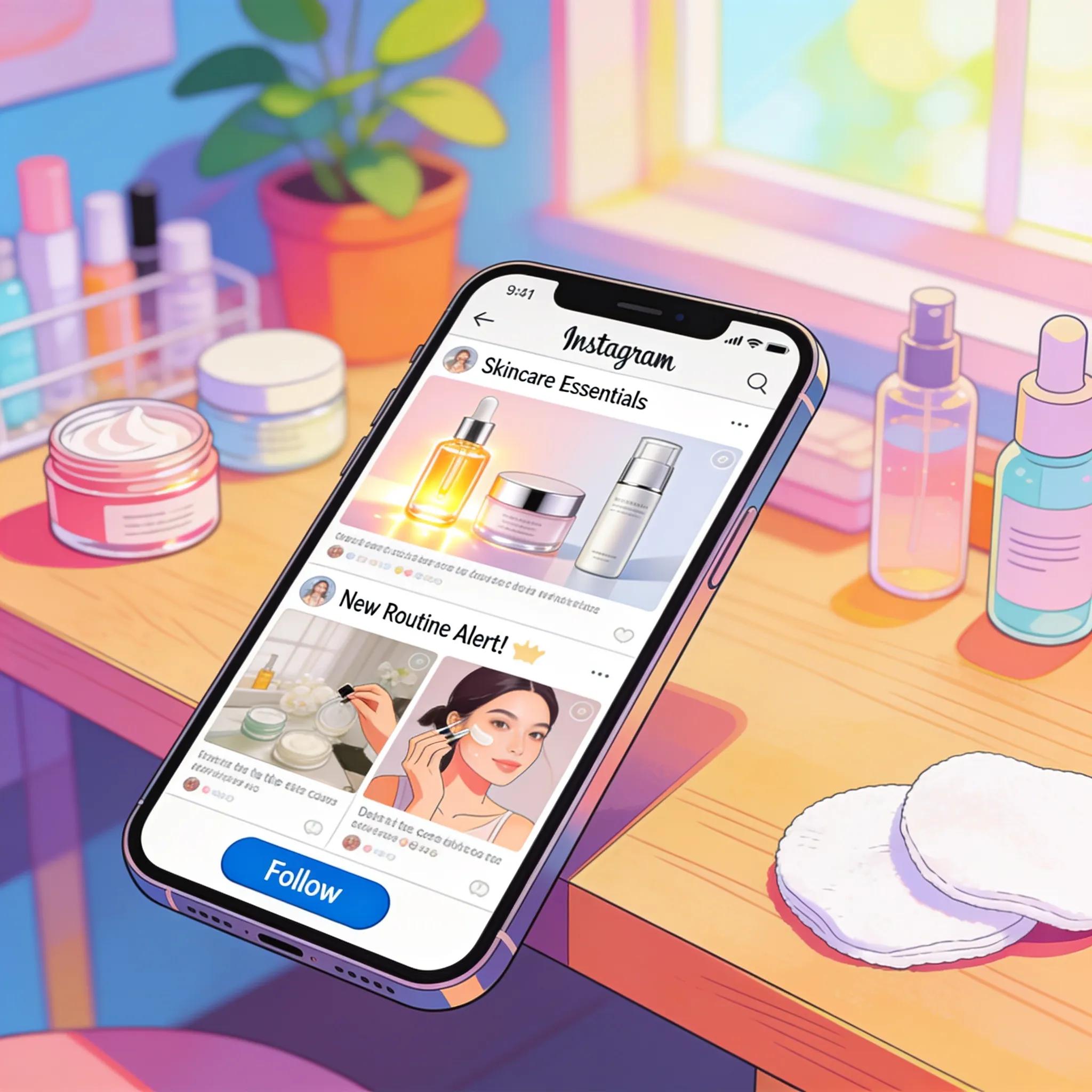
To maximize engagement on Instagram and TikTok, brands should focus on:
- High-Quality Visuals: Create visually appealing content that highlights products in use, showcasing results effectively.
- Engaging Stories: Use Instagram Stories or TikTok short videos to create a narrative that resonates with followers while promoting products.
- User-Generated Content: Encourage followers to share their experiences with products, fostering community and authenticity.
Capturing the attention of users on these platforms can drive meaningful interactions and conversions for skincare brands.
What Emerging Platforms and Trends Are Shaping Future Campaigns?
The influencer marketing landscape is continually evolving with emerging platforms like Clubhouse and YouTube Shorts gaining traction. These platforms allow for deeper interactions and discussions around skincare products and services, providing additional layers of engagement than traditional formats. Brands must stay attuned to these trends to leverage new opportunities for connection with potential customers effectively.
What Are Proven Case Studies and Emerging Trends in Skincare and Clinic Influencer Marketing?
Analyzing effective case studies offers valuable insights into successful influencer marketing strategies within the skincare and clinic sectors. Many brands leverage the expertise of influencers to create authentic narratives that resonate with audiences.
Which Campaigns Achieved Over 20% ROI Uplift and Why?
Several campaigns have demonstrated significant ROI uplifts, exceeding 20%. For instance, a skincare brand partnered with micro-influencers to create authentic user stories, resulting in substantial engagement and a 25% increase in sales over the campaign period. By focusing on genuine testimonials rather than traditional advertising tactics, brands can cultivate stronger connections with their audience and achieve remarkable returns.
How Are Micro-Influencers Driving Higher Engagement in 2025–2026?
Micro-influencers are projected to continue their rise in 2025-2026, primarily due to their ability to engage deeply with niche markets. With smaller follower bases but highly engaged audiences, they can create more authentic content that drives conversation and trust. Brands focusing on this sector will likely see higher levels of engagement compared to traditional influencer partnerships.
How to Implement and Monitor Influencer Marketing Performance Effectively?
Effective implementation of influencer marketing requires robust monitoring frameworks to assess performance continually. Brands should focus on collecting and analyzing data to optimize campaigns progressively.
Which KPIs Track Organic Traffic, Engagement, and Conversions?
Key performance indicators (KPIs) for tracking success include:
- Organic Traffic: Measure increases in website visits originating from influencer posts or promotions.
- Engagement Levels: Track likes, shares, and comments as a measure of audience interaction with the influencer’s content.
- Conversion Metrics: Assess the percentage of visitors who complete a desired action, such as purchasing a product.
These metrics provide insights that help brands refine their marketing strategies for greater effectiveness.
What Tools and Structured Data Markup Maximize Semantic Visibility?
Tools such as Google Analytics, Hootsuite, and SEMrush can significantly enhance data analysis. Structured data markup assists in improving search visibility, making it easier for consumers to discover campaigns. By optimizing these elements, brands can enhance their online presence and drive higher engagement rates, positioning themselves effectively within the competitive skincare market.