
In the competitive landscape of med spas, operational efficiency and compliance are paramount for success. This article delves into the essential steps for conducting a comprehensive operations audit, ensuring that med spas not only meet regulatory standards but also optimize their performance. Readers will learn about the critical components of an audit checklist, key performance indicators (KPIs) that define operational efficiency, and methods for financial performance analysis. Additionally, we will explore how process improvements can enhance client satisfaction and the role of technology in streamlining operations. By addressing these areas, med spas can significantly improve their service delivery and overall client experience.
What Are the Essential Steps in a Med Spa Audit Checklist?
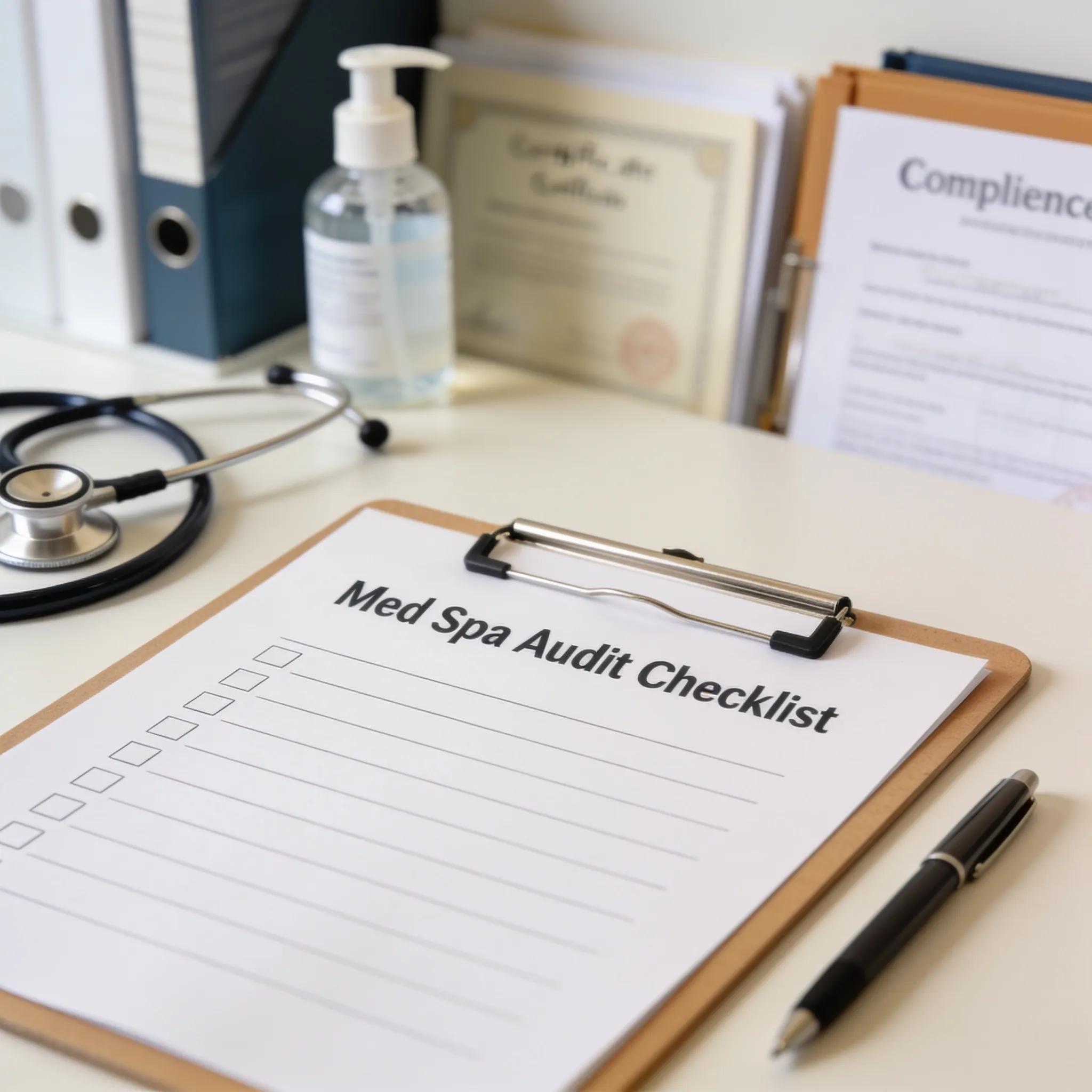
A med spa operations audit is a systematic approach to evaluating operational practices, compliance, and financial performance. This process ensures that all aspects of the business are functioning optimally and adhering to industry regulations. The audit checklist typically includes components such as operational procedures, financial records, and compliance with health regulations. Each step is crucial for identifying areas of improvement and ensuring the spa operates within legal frameworks. Understanding how to audit a med spa thoroughly is essential for maintaining operational excellence and regulatory adherence.
The importance of using checklists in medical spas for risk management cannot be overstated, as evidenced by their successful application in other high-stakes industries to reduce errors and improve safety.
Risk Management and Checklists in Medical Spas
Evidence has shown the benefit to risk management by using checklists, including presurgical checklists for reduction in patient complications. Checklists are used in other industries, including aviation, construction, and finance, to ensure that critical steps are followed consistently, thereby reducing errors and improving safety and efficiency. What is required of a medical spa’s good faith exams. Dr. Wendy Hansbrough, 2019
How to Plan and Prepare for a Med Spa Operational Audit
Planning for a med spa operational audit involves several key steps, crucial for spa operations consulting:
- Identify Key Stakeholders: Engage with team members who will be involved in the audit process to ensure comprehensive coverage of all operational areas.
- Gather Necessary Documentation: Collect all relevant documents, including financial records, employee training materials, and compliance certifications.
- Set Timelines for the Audit: Establish a clear timeline for the audit process, including deadlines for document submission and review.
These preparatory steps lay the groundwork for a successful audit, ensuring that all necessary information is readily available for evaluation.
Which Key Performance Indicators Define Spa Operational Efficiency?
Key performance indicators (KPIs) are essential metrics that help med spas evaluate their operational efficiency. These indicators provide insights into various aspects of the business, including financial health, client satisfaction, and service delivery effectiveness. Common KPIs for med spas include:
- Client Retention Rate: Measures the percentage of clients who return for additional services, indicating satisfaction and loyalty.
- Average Revenue per Client: Calculates the average income generated from each client, reflecting the effectiveness of upselling and service offerings.
- Service Utilization Rate: Assesses the percentage of available services that are actually utilized by clients, helping to identify popular treatments and potential gaps in offerings.
By monitoring these KPIs, med spas can make informed decisions to enhance their operational strategies.
What Constitutes Treatment Room Utilization Metrics in Med Spa Operations Audit?
Treatment room utilization is a critical metric in med spa operations audit and optimization. It measures how effectively treatment rooms are being used to maximize productivity and reduce downtime.
Key Metrics for Treatment Room Utilization
- Room Occupancy Rate: Percentage of time treatment rooms are occupied during operational hours.
- Turnover Time: The average time taken to prepare a treatment room between clients.
- Scheduling Efficiency: Alignment of booked treatments with available room capacity.
Analyzing these metrics allows med spas to identify underutilized spaces and optimize scheduling, ultimately improving client flow and revenue.
How Are Staff Scheduling and Provider Utilization Rates Evaluated?
Effective staff scheduling and provider utilization rates are key components of spa operations consulting, influencing both service quality and operational costs.
Evaluation Methods
- Provider Utilization Rate: The ratio of time providers spend delivering billable services to their total scheduled time.
- Staff Scheduling Optimization: Ensuring staff availability aligns with peak client demand to avoid overstaffing or understaffing.
Improving these areas helps med spas enhance efficiency, employee satisfaction, and client experience.
What Are Best Practices in Inventory Waste Management for Neurotoxins and Fillers?
Inventory waste management, especially for high-cost items like neurotoxins and fillers, is crucial in med spa operations audit.
Effective Inventory Control Strategies
- Accurate Tracking: Implementing systems to monitor inventory usage and expiration dates.
- Waste Reduction Protocols: Training staff on dosage accuracy and proper storage to minimize product loss.
- Regular Audits: Conducting frequent inventory reviews to reconcile stock levels and identify discrepancies.
Adopting these practices reduces costs and ensures product availability without overstocking.
Why is SOP Documentation Vital in Med Spa Operations Audit?
Standard Operating Procedures (SOPs) documentation provides the foundation for consistent and safe med spa operations. It is a critical focus area in spa operations consulting and audits.
Key Elements of SOP Documentation
- Detailed Process Descriptions: Clear instructions for each treatment and operational task.
- Compliance Alignment: SOPs reflecting regulatory requirements and safety standards.
- Regular Updates: Ongoing review and revision of SOPs to incorporate new treatments and protocols.
Comprehensive SOP documentation supports staff training, quality control, and risk management, strengthening operational integrity.
What Frameworks Guide Financial Audits in Med Spa Operations?
Financial audit frameworks provide structured approaches to evaluating the economic health of medical spas. These frameworks are integral to med spa operations audits and spa operations consulting.
Fundamental Financial Audit Components
- Revenue Recognition: Verification of income generated through services and product sales.
- Expense Analysis: Evaluation of cost controls and expenditure patterns.
- Profitability Assessment: Measuring gross and net profit margins to understand financial sustainability.
- Compliance with Financial Reporting Standards: Ensuring transparency and accuracy in financial disclosures.
Implementing these frameworks aids in identifying financial risks and opportunities for improvement.
How Does a Med Spa Compliance Review Ensure Regulatory Adherence?
A compliance review is a critical component of med spa operations, ensuring that the business adheres to all relevant regulations and standards. This process involves a thorough examination of operational practices, employee training, and client interactions to identify any areas of non-compliance.
Given the blend of aesthetic and medical services offered, ensuring compliance in medical spas is especially critical to maintain patient safety and business sustainability.
Ensuring Compliance and Patient Safety in Medical Spas
ABSTRACT: Chammout, Mike.Walden University ProQuest Dissertations & Theses, 2021.Compliance in medical spas is critical due to the hybrid nature of their services, blending aesthetic treatments with medical procedures. This study aims to explore the challenges and best practices in ensuring regulatory compliance within the medical spa industry, focusing on areas such as scope of practice, delegation of medical tasks, and facility licensing. It also investigates the impact of non-compliance on patient safety and business sustainability, proposing strategies for effective oversight and risk mitigation. Medical Spas: Ensuring Compliance and Patient Safety, 2021
What Are the Critical Compliance Standards for Med Spa Operations?
Med spas must adhere to several critical compliance standards, including:
- Health and Safety Regulations: Ensuring that all treatments are performed in a safe environment and that staff are trained in emergency procedures.
- Licensing Requirements: Confirming that all practitioners hold the necessary licenses and certifications to perform their services.
- Data Protection Laws: Complying with regulations regarding the handling of client information, including HIPAA guidelines.
Understanding and meeting these standards is essential for maintaining operational integrity and avoiding legal repercussions.
Operating under a physician’s supervision, medical spas must adhere to rigorous medical standards and patient safety protocols, which encompass various regulations from delegated medical procedures to staff qualifications.
Med Spa Regulation: Ensuring Ethical and Safe Operations
Medical spas must operate under a physician’s supervision, ensuring adherence to medical standards and patient safety protocols. These regulations cover aspects like delegated medical procedures, facility requirements, and staff qualifications, all designed to ensure medical spas operate safely and ethically. The medical spa industry has experienced significant growth, offering a blend of aesthetic and wellness services. Services offered by medical spas often include injectables (eg, botulinum toxin and soft tissue fillers), laser treatments for hair removal and skin rejuvenation, chemical peels, and other nonsurgical cosmetic procedures. Medical Spa legislation, regulations, and guidelines in the
United States, AM Malik, 2025
How to Conduct a Thorough Compliance Gap Analysis in Med Spas
Conducting a compliance gap analysis involves several steps:
- Define the Compliance Standards: Clearly outline the regulations and standards that apply to the med spa.
- Assess Current Practices: Evaluate existing operational procedures against the defined standards to identify any discrepancies.
- Develop an Action Plan: Create a plan to address any gaps identified during the assessment, including timelines and responsible parties.
This systematic approach ensures that med spas remain compliant and can effectively address any areas of concern.
What Methods Are Used for Spa Financial Performance Analysis?
Financial performance analysis is vital for understanding the economic health of a med spa. This analysis involves examining various financial metrics to assess profitability and operational efficiency.
Which Financial Metrics Best Reflect Med Spa Profitability?
Key financial metrics that reflect med spa profitability include:
- Gross Profit Margin: Indicates the percentage of revenue that exceeds the cost of goods sold, providing insight into pricing strategies and cost management.
- Net Profit Margin: Measures the overall profitability of the business after all expenses have been deducted from revenue.
- Return on Investment (ROI): Evaluates the profitability of specific investments, such as marketing campaigns or new service offerings.
By analyzing these metrics, med spas can identify areas for financial improvement and make strategic decisions to enhance profitability.
How to Interpret Financial Data to Drive Operational Improvements
Interpreting financial data involves analyzing trends and patterns to inform operational decisions. Key techniques include:
- Comparative Analysis: Comparing current financial performance against historical data to identify trends and areas for improvement.
- Benchmarking: Evaluating financial metrics against industry standards to assess competitiveness and operational efficiency.
- Scenario Analysis: Assessing potential outcomes based on different operational strategies to inform decision-making.
These techniques enable med spas to leverage financial data for strategic planning and operational enhancements.
How Can Med Spa Process Improvement Enhance Client Satisfaction and Quality Control?
Process improvement is essential for enhancing client satisfaction and ensuring quality control in med spas. By streamlining operations, spas can provide a better client experience and improve service delivery.
What Workflow Optimization Techniques Improve Spa Service Delivery?
Several workflow optimization techniques can enhance service delivery in med spas:
- Standard Operating Procedures (SOPs): Establishing clear SOPs for all treatments ensures consistency and quality in service delivery.
- Staff Training Programs: Regular training sessions help staff stay updated on best practices and new treatments, improving overall service quality.
- Client Feedback Mechanisms: Implementing systems for collecting and analyzing client feedback allows spas to identify areas for improvement and address client concerns promptly.
These techniques contribute to a more efficient and client-focused operational model.
How to Measure and Increase Client Satisfaction Through Operational Changes

Measuring client satisfaction involves several strategies:
- Client Surveys: Regularly conducting surveys to gather feedback on client experiences and satisfaction levels.
- Net Promoter Score (NPS): Utilizing NPS to gauge client loyalty and likelihood to recommend the spa to others.
- Service Follow-ups: Implementing follow-up communications after treatments to assess client satisfaction and address any concerns.
By actively measuring and responding to client feedback, med spas can implement operational changes that enhance satisfaction and loyalty.
What Role Does Technology Integration Play in Med Spa Audit and Optimization?
Technology integration plays a crucial role in optimizing med spa operations and facilitating audits. By leveraging digital tools, spas can streamline processes and improve data management.
Which Digital Tools Support Efficient Audit Tracking and Reporting?
Several digital tools can enhance audit tracking and reporting in med spas:
- Practice Management Software: Streamlines appointment scheduling, billing, and client management, providing a comprehensive overview of operations.
- Compliance Management Systems: Automates compliance tracking and reporting, ensuring that all regulatory requirements are met.
- Financial Analytics Tools: Offers insights into financial performance through real-time data analysis and reporting.
These tools enable med spas to conduct audits more efficiently and maintain compliance with industry standards.
How to Leverage Technology for Continuous Operational Monitoring
Continuous operational monitoring can be achieved through:
- Real-Time Data Analytics: Utilizing analytics tools to monitor key performance metrics in real-time, allowing for quick adjustments to operations.
- Automated Reporting Systems: Implementing systems that generate regular reports on operational performance, facilitating ongoing evaluation and improvement.
- Client Relationship Management (CRM) Systems: Enhancing client interactions and follow-ups through automated communication and data tracking.
By leveraging technology, med spas can ensure ongoing operational efficiency and compliance, ultimately enhancing the client experience.