In the evolving landscape of healthcare, effective communication stands as a pillar for successful patient outcomes. Patient education content templates serve as structured tools that clinics can utilize to enhance communication, ensuring that patients understand their health and treatment options. This article delves into the significance of patient education templates, outlining their role, design, best practices, and measurable outcomes. By employing these patient education templates and aligning with clinic patient resources, clinics can address common patient communication barriers, aiming to improve engagement and health literacy. The following sections will explore the components and customization of templates, best practices for implementation, including aesthetic education content, the necessity for ongoing updates, and the success metrics for these educational resources.
What Are Patient Education Content Templates and Their Role in Clinics?
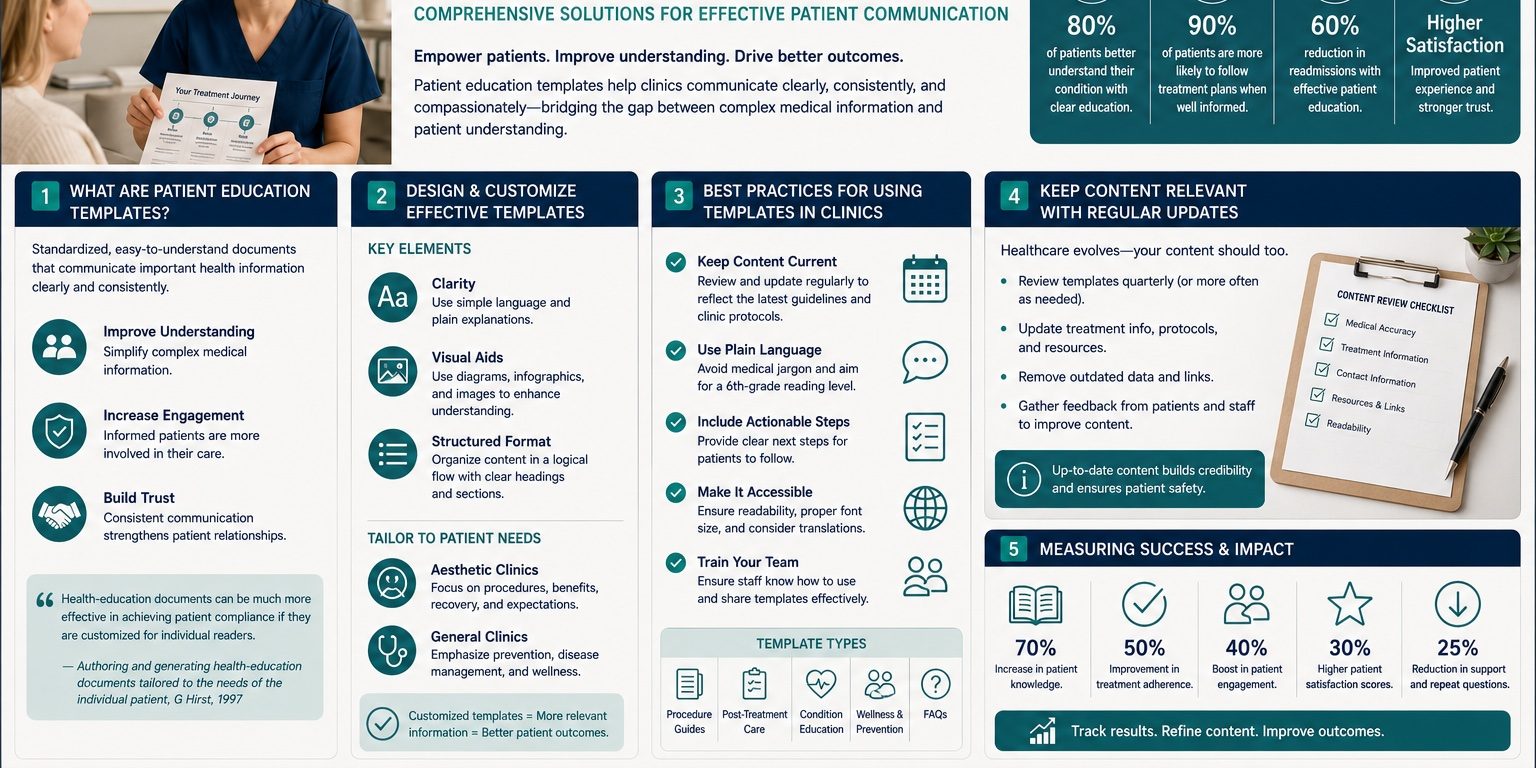
Patient education templates are standardized documents designed to communicate essential healthcare information to patients in a clear and concise manner. These templates are pivotal in enhancing patient understanding and engagement by presenting complex medical information in a format that is easy to comprehend. The primary benefit of these templates lies in their ability to provide consistent communication, which fosters trust and encourages patient participation in their own healthcare journey.
Definition and Purpose of Patient Education Templates
Patient education templates serve several purposes: they clarify medical jargon, outline treatment options, and promote understanding of health conditions. These templates are crafted to meet both patient needs and clinic standards, making them invaluable tools in clinical practice. By simplifying communication, templates support both patients and healthcare providers in navigating treatment pathways efficiently.
How Templates Enhance Patient Understanding and Engagement
Studies indicate that effective patient education can significantly increase engagement levels. By using templates, clinics can present information in a straightforward manner, which helps to improve patients’ comprehension of their health conditions and treatment plans. Engaged patients are more likely to adhere to treatment protocols and maintain regular follow-ups, leading to better health outcomes.
These templates can be even more impactful when tailored to individual patient needs, as highlighted by various research efforts.
Tailoring Health Education Documents for Individual Patients
Health-education documents can be much more effective in achieving patient compliance if they are customized for individual readers. For this purpose, a medical record can be thought of as an extremely detailed user model of a reader of such a document. The HealthDoc project is developing methods for producing health-information and patient-education documents that are tailored to the individual personal and medical characteristics of the patients who receive them. Information from an on-line medical record or from a clinician will be used as the primary basis for deciding how best to fit the document to the patient. In this paper, we describe our research on three aspects of the project: the kinds of tailoring that are appropriate for health-education documents; the nature of a tailorable master document, and how it can be created; and the linguistic problems that arise when a tailored instance of the document is to be generated.
Authoring and generating health-education documents that are tailored to the needs of the individual patient, G Hirst, 1997
How to Design and Customize Effective Patient Education Templates for Clinics
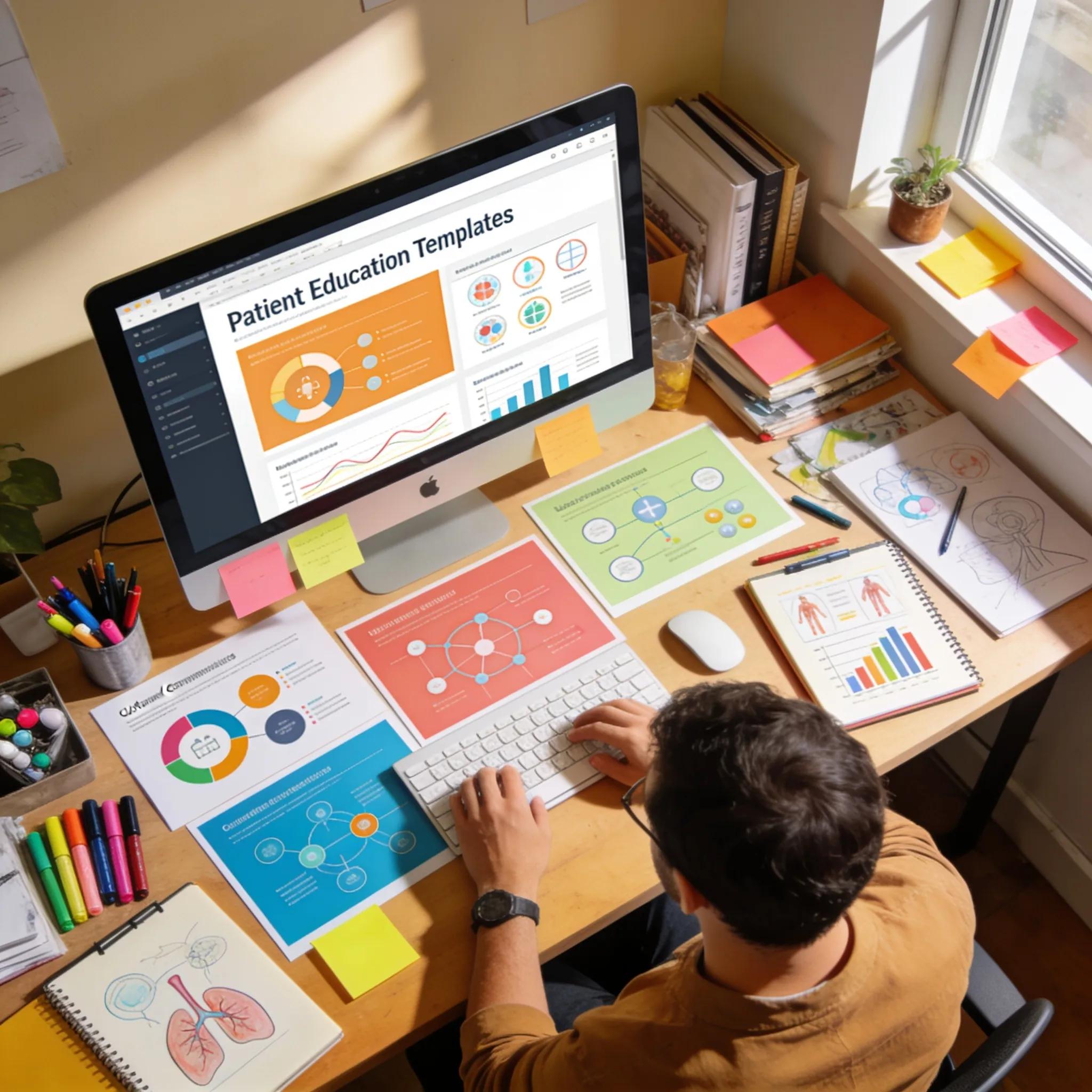
When designing effective patient education templates, it is crucial to consider the needs of the target audience along with the content’s clarity and accessibility. A well-designed template should facilitate easy navigation and comprehension for patients with varying levels of health literacy.
Key Elements of Clinic Patient Education Materials
Effective clinic patient education materials should include the following key elements:
- Clarity: Use simple language and clear explanations.
- Visual Aids: Incorporate diagrams or infographics to illustrate complex information.
- Structured Format: Organize content in a logical flow to enhance understanding.
By adhering to these principles, clinics can create materials that resonate with patients, helping them grasp essential health information effectively.
Tailoring Patient Handouts for Aesthetic and General Clinic Needs
Customization is critical for patient handouts, particularly in specialized fields such as aesthetic or general medicine. For aesthetic clinics, handouts might focus on procedures and their benefits, employing aesthetic education content tailored specifically to patient interests and concerns. General clinics could emphasize overall health management and disease prevention strategies. By tailoring content to the specific needs of their audience, clinics can ensure that patient education is relevant and engaging. med spa website design
Pre- and Post-Care Treatment Guides Using Patient Education Templates
Providing detailed pre- and post-care treatment guides within patient education templates helps patients prepare for procedures and understand recovery protocols. These guides contribute to reduced complications and better adherence to treatment instructions. Clinics can develop customized guides as part of their clinic patient resources, enabling patients to follow care plans consistently and confidently.
Key Components of Pre-Care Guides
- Instructions on medication adjustments or fasting
- What to expect during the procedure
- Preparations for facility arrival and check-in
Essential Post-Care Instructions
- Wound care and hygiene
- Signs of complications requiring medical attention
- Follow-up appointment scheduling and activity restrictions
Example Template Outline: Pre- and Post-Treatment Care Guide
Consent Education Templates for Patient Empowerment
Consent education templates ensure patients are well-informed about the risks, benefits, and alternatives of procedures before agreeing to treatment. These templates standardize the delivery of critical information, fostering patient autonomy and legal compliance. Clinics benefit from integrating consent templates within their patient education templates library to support transparent communication.
Components of Effective Consent Templates
- Clear explanation of the procedure’s purpose and steps
- Potential risks and side effects
- Alternatives and the option to decline treatment
- Space for patient questions and signatures
Structured Consent Template Example Outline
Aesthetic Treatment FAQs and Consultation Frameworks
Patient education extends beyond templates into comprehensive FAQs and consultation frameworks tailored for specialized clinics such as aesthetic centers. FAQs address common patient concerns about procedure safety, expected outcomes, and recovery timelines, enhancing patient confidence and decision-making.
Example FAQ Topics for Aesthetic Clinics
- What are the benefits and risks of the treatment?
- How long is the recovery time?
- Are there any side effects or downtime?
- What pre-treatment preparations are required?
- How should I care for myself post-procedure?
Consultation Framework for Effective Patient Dialogue
- Patient History and Expectations: Gather medical background and desired outcomes.
- Procedure Explanation: Describe treatment, benefits, risks, and alternatives.
- Address Questions: Encourage patient inquiries to clarify concerns.
- Consent Discussion: Review consent template and confirm understanding.
- Next Steps and Scheduling: Outline preparation steps and schedule the procedure.
Enhancing Patient Compliance Through Structured Education and Support
Patient compliance is integral to successful treatment outcomes. Structured education materials coupled with clear communication frameworks empower patients to adhere to care plans effectively. Templates and guides act as reference points that patients can revisit, reducing misunderstandings and promoting consistent care behaviors.
Strategies to Promote Patient Compliance
- Clear Instructions: Use concise and unambiguous language.
- Visuals and Reminders: Incorporate infographics and scheduled follow-up messages.
- Interactive Elements: Utilize quizzes or digital checklists to confirm understanding.
- Personalized Content: Tailor instructions to individual patient needs and circumstances.
- Regular Feedback: Engage patients to share progress and address barriers.
Procedure Explainer Infographics in Clinic Patient Resources
Integrating procedure explainer infographics into patient education materials enhances comprehension by visually describing medical interventions. These visual aids are highly effective in communicating complex procedures succinctly, meeting the needs of patients with diverse health literacy levels. Incorporating such infographics into clinic patient resources improves patient confidence and decision-making.
Design Considerations for Effective Infographics
- Use clear, labeled visuals showing step-by-step processes
- Incorporate simple annotations and avoid medical jargon
- Ensure culturally sensitive and inclusive imagery
Patient Portal Resource Integration for Enhanced Engagement
Integrating patient education templates and clinic patient resources into digital patient portals provides continuous access to educational content, fostering engaged and informed patients. This integration allows clinics to personalize information delivery, provide updates, and streamline communication.
Benefits of Patient Portal Integration
- 24/7 access to tailored educational materials
- Interactive features such as quizzes and feedback forms
- Automated reminders for care instructions and follow-ups
What Are the Best Practices for Patient Communication Using Education Templates?
Implementing best practices in patient communication is essential for the effective use of education templates in clinical settings. These practices enable clinics to maximize the impact of their patient education efforts.
Implementing Patient Communication Templates in Clinical Settings
To successfully implement communication templates, clinics should follow these practical steps:
- Train Staff: Ensure all staff members understand how to utilize and present the templates effectively.
- Integrate into Workflow: Incorporate the templates into routine patient interactions to ensure consistent usage.
- Gather Feedback: Encourage patient feedback on the clarity and utility of the materials to inform continuous improvement.
These strategies help to create a consistent approach to patient education, leading to improved engagement and satisfaction.
Incorporating Multimedia and Interactive Elements to Boost Engagement

Modern patient communication can greatly benefit from incorporating multimedia elements. Utilizing videos, animations, or interactive tools can enhance the appeal of educational materials. By engaging multiple senses, clinics can improve the retention of information and foster a more immersive educational experience for patients. Studies have shown that patients who engage with interactive content often report higher satisfaction levels and faster comprehension of their health information.
How Do Clinics Update and Maintain Patient Education Materials for Clinical Effectiveness?
The relevance and accuracy of patient education materials hinge on regular updates that reflect current health literacy and accessibility standards.
Updating Templates Based on Health Literacy and Accessibility Standards
Keeping templates updated is vital for compliance with evolving health literacy guidelines. Clinics can use resources from healthcare authorities to ensure that their materials reflect the latest standards. By integrating feedback from patients and healthcare providers, clinics can enhance the accessibility of their educational resources, ensuring that all patients, regardless of their health literacy level, can benefit from them.
Best Practices for Customizing and Version Control of Clinic Resources
Maintaining version control for patient education templates prevents the distribution of outdated information. Clinics should implement a tracking system to manage template updates, ensuring that all staff have access to the most current versions. Regular audits can also help identify areas for improvement and facilitate the incorporation of the latest health information into educational materials.
What Are the Measurable Outcomes of Using Patient Education Content Templates in Clinics?
Employing patient education templates has measurable outcomes that can be assessed through various metrics, which highlight their effectiveness in clinical settings.
Impact on Patient Engagement and Health Outcomes
Research indicates a strong correlation between the use of patient education templates and improved patient engagement. More informed patients tend to exhibit better adherence to treatment protocols, which can lead to favorable health outcomes. Increased communication through templates can significantly enhance patient satisfaction, ultimately contributing to overall clinic success.
Tracking Effectiveness Through Feedback and Analytics
Clinics can utilize analytics tools to track the effectiveness of their patient education materials. Gathering feedback from patients, alongside quantitative data on health impacts, can provide valuable insights into the efficacy of education templates. By regularly analyzing this data, clinics can adapt their strategies to improve patient interactions and the overall quality of care.
Where Can Clinics Access and Implement Authoritative Patient Education Template Libraries?
Accessing a robust library of patient education templates can empower clinics to enhance their communication strategies.
Available Resources for Clinic Patient Education Materials
Several authoritative resources provide access to high-quality patient education materials. These can range from governmental health services to professional medical organizations that offer vetted templates tailored to various health topics. Clinics should prioritize these repositories to ensure they are using accurate and reliable information in their patient communications.
Integrating Templates with Clinic Digital Systems and SEO Best Practices
To maximize their reach and effectiveness, clinics can integrate patient education templates into their digital systems. Applying SEO best practices ensures that educational materials are accessible to patients searching online for reliable health information. This digital integration can enhance patient engagement while also positioning the clinic as a trusted source of health education.