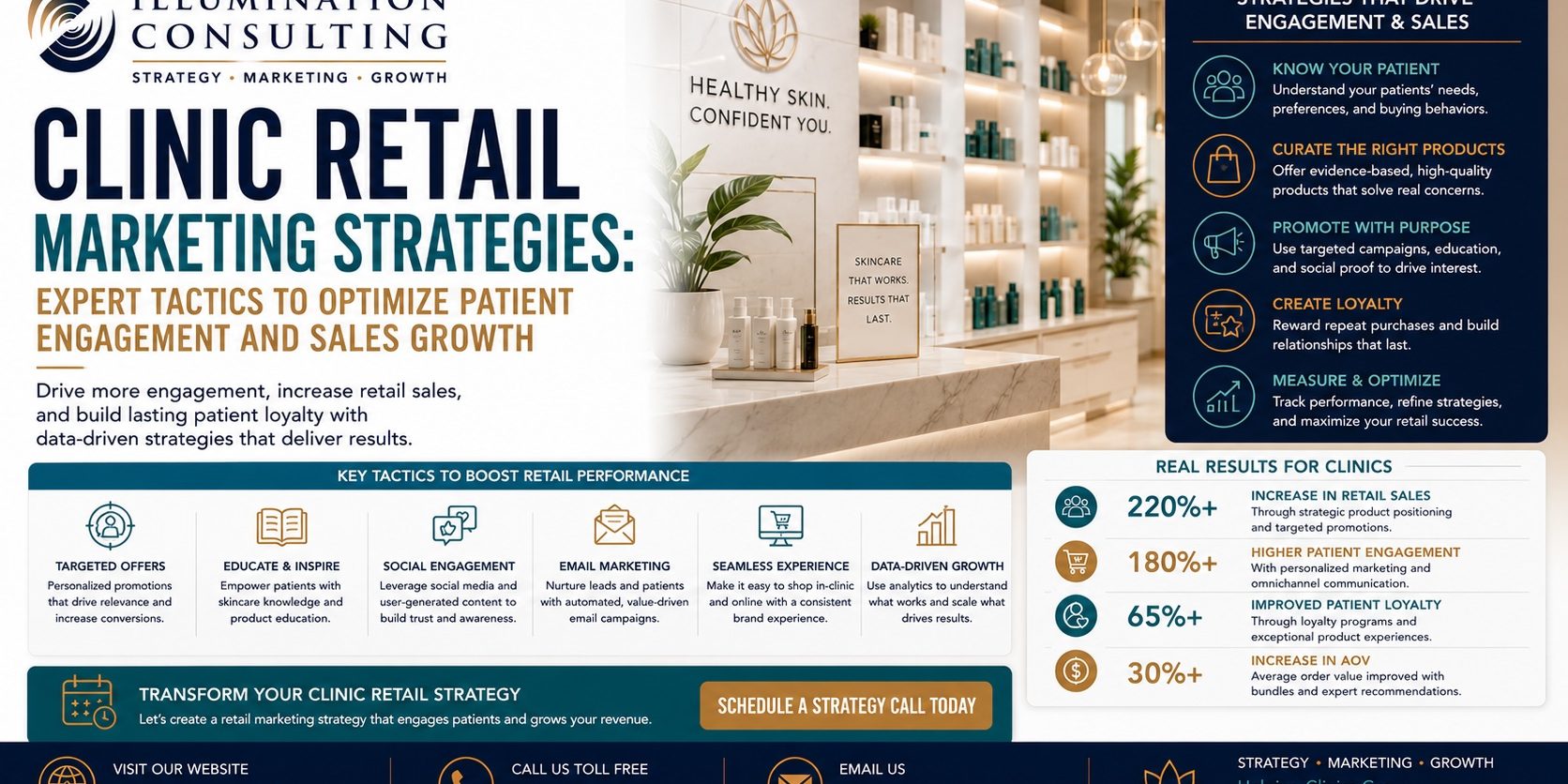
In the competitive landscape of clinic retail, effective marketing strategies are essential for optimizing patient engagement and driving sales growth. Clinic environments, particularly in aesthetic and healthcare sectors, require tailored marketing tactics that resonate with patient needs and preferences. This article delves into comprehensive strategies, such as patient engagement tactics, in-clinic merchandising, and digital marketing integration, aimed at enhancing the overall retail experience. Many clinics struggle with standing out in a crowded marketplace, but by implementing data-driven approaches, clinics can better connect with their patients and boost retail performance. We will explore crucial marketing strategies, including seasonal campaigns and leveraging analytics, to ensure clinical practices thrive in today’s marketplace.
Key Takeaways
- Personalized communication, loyalty programs, and active social media engagement drive stronger patient relationships and measurable retail retention gains.
- Strategic in-clinic merchandising — eye-level placement, themed displays, and trained staff — increases impulse purchases and overall sales performance.
- Retail analytics such as sales growth, customer retention rate, and average order value help clinics make data-driven inventory and marketing decisions.
- Integrating digital marketing across email, social media, and search creates a seamless omnichannel experience that boosts patient engagement and retail results.
- Well-timed seasonal campaigns, grounded in patient data and past performance, generate stronger engagement and revenue.
- Tracking ROI and core KPIs — conversion rates, retention, and lead generation — lets clinics continuously refine their retail marketing strategy.
Effective Patient Engagement Tactics
Engaging patients effectively is critical for clinics looking to enhance their retail offerings. Personalized communications, loyalty programs, and active social media engagement are pivotal for fostering strong patient relationships. Implementing these engagement tactics can significantly enhance the overall patient experience while positively impacting sales. Personalization in marketing allows clinics to tailor messages and offerings specifically to individual patient needs and preferences, fostering a deeper connection.
Modern research highlights the importance of transitioning toward a more individualized approach to patient interaction in the clinical space.
Patient-Centric Marketing: Strategies for Modern Healthcare Growth Patient-centric marketing aims to regard individuals not solely as users of services but as active players in their healthcare journey. This study examines the theoretical underpinnings of relationship marketing, technological adoption, and service-dominant logic to contextualise patient-centered practices. Patient-centric marketing and retention strategies in healthcare: a strategic and technological framework, A Shah, 2025
Industry data indicates that clinics utilizing “loyalty programs” see up to a 20% increase in patient retention rates. Moreover, the use of social media platforms for engagement not only helps clinics maintain visibility but also creates an interactive space for patients to share feedback and experiences. By embracing a modern marketing strategy rooted in personalization and engagement, clinics stand to enhance patient loyalty significantly, driving both foot traffic and online interactions in the retail space.
Following these strategies, Illumination Consulting specializes in enhancing patient engagement for clinics. We provide tailored consulting services that integrate effective engagement models within existing frameworks, ensuring clinics not only connect with their patients emotionally but also see tangible results in their retail performance.
Strategic In-Clinic Merchandising and Visual Placement

Merchandising strategies play a vital role in clinic retail environments, affecting how products are perceived and purchased. Effective visual placement can enhance patient experience by creating an inviting atmosphere. Techniques such as strategically locating popular products at eye level or utilizing themed displays during specific promotions can draw attention and increase impulse purchases.
Clinics should focus on creating a cohesive and aesthetically pleasing environment that aligns with their brand identity. For example, thoughtful use of colors and signage can guide patients toward featured products, while seasonal displays can generate excitement and encourage purchases.
Additionally, training staff to recognize the importance of merchandising can empower them to assist patients effectively, leading to improved sales performance. Understanding and applying these “strategic in-clinic merchandising” techniques can optimize product placement and visually engage patients, thereby increasing retail sales.
Leveraging Retail Analytics to Drive Sales
Data-driven decision-making is vital in enhancing retail marketing strategies for clinics. By utilizing retail analytics, clinics can identify key metrics that inform various aspects of their marketing and sales strategies. Effective use of data can drive sales improvement by highlighting consumer behavior patterns and preferences.
Key metrics to consider include sales trends, customer demographics, and product performance. By analyzing these data points, clinics can adjust inventory based on current patient demand, ensuring that they meet customer needs effectively. Furthermore, incorporating analytics helps clinics refine their service offerings and marketing strategies.
Here’s a comparison of different analytics metrics that can be used to optimize retail sales:
Using these metrics strategically empowers clinics to maximize their retail potential and adapt to the changing healthcare landscape.
Integrating Digital Marketing for Omnichannel Retail
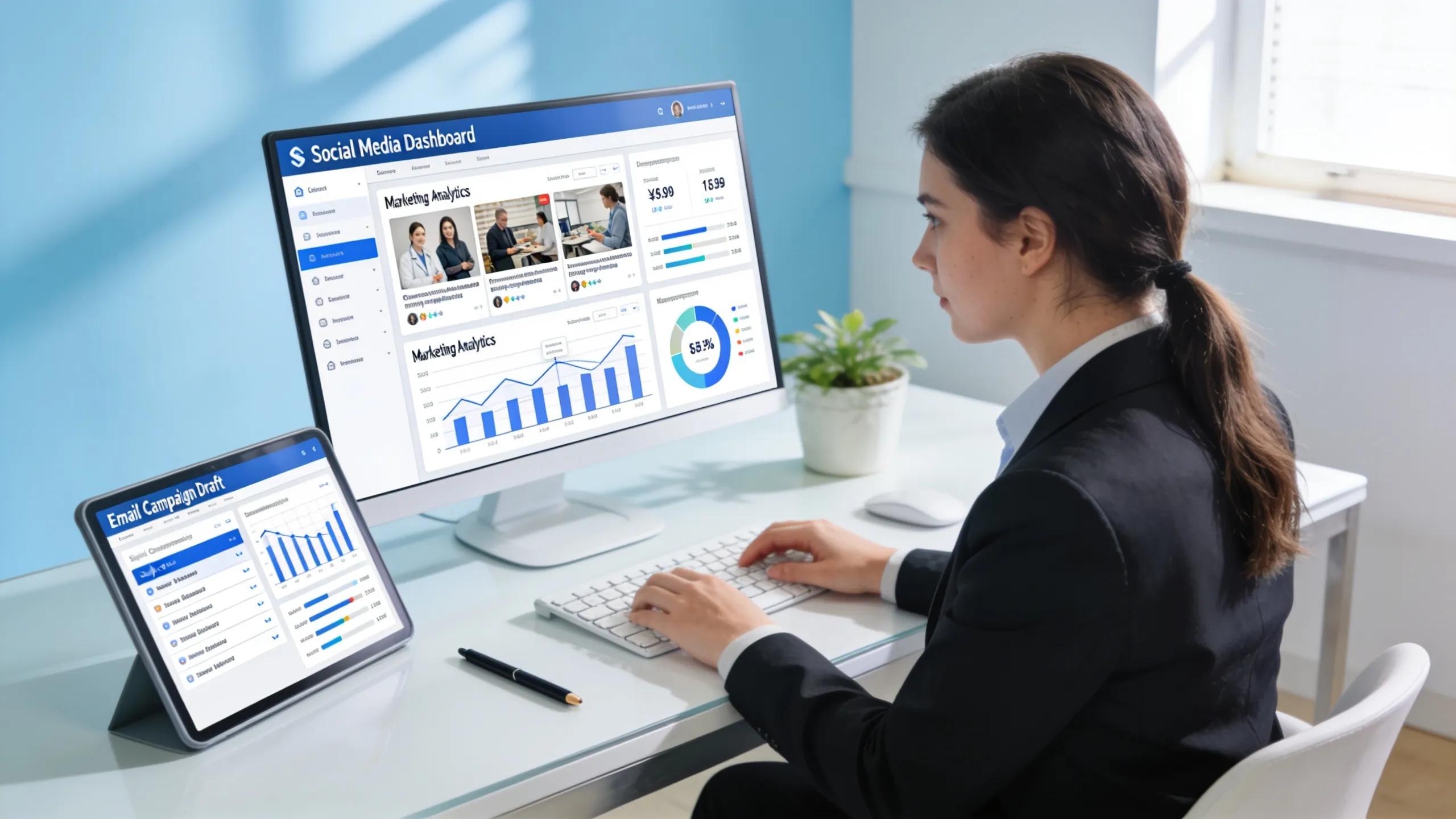
Digital marketing strategies are essential for unifying patient engagement across multiple channels. Integrating digital marketing enables clinics to create a seamless experience while reaching patients where they are most active, whether through social media, email, or direct internet search.
Cross-channel marketing tactics amplify clinic visibility by ensuring that branding and messaging remain consistent across platforms. Email marketing, in particular, has shown effectiveness in nurturing leads and retaining existing patients.
Implementing targeted campaigns based on patient data can yield higher engagement rates, while social media interactions help foster a community environment. Clinics that effectively harness digital marketing strategies can amplify their reach and enhance patient engagement, ultimately benefiting their retail performance.
Recent evidence underscores how integrating artificial intelligence and advanced digital tools can significantly boost these omnichannel efforts.
AI in Healthcare: Leveraging Data for Patient Engagement This finding is consistent with previous studies suggesting that AI can improve segmentation, personalization, automation, patient engagement, and follow-up in private healthcare organizations with stronger digital marketing practices. Artificial Intelligence and Digital Marketing in Private Healthcare Organizations: Evidence from Patient Acquisition, Retention, and Follow-up
Planning and Executing Seasonal Campaigns
Seasonal promotions are a key strategy for clinics to drive sales and engage patients at relevant times of the year. When planning these campaigns, it’s essential to set a budget and understand the timing and messaging strategies that resonate with your clientele. Effective seasonal campaigns not only align with patient needs but also integrate seamlessly into the clinic’s overall marketing plan.
Consideration of healthcare seasons—such as flu season or summer skincare—can shape promotions to align with patient concerns and interest. By evaluating past campaign performances, clinics can refine their messaging for better engagement and improved outcomes.
The following elements are crucial when preparing seasonal campaigns:
- Setting Budget: Determine the financial resources available for promotional activities.
- Timing: Align campaigns with significant dates that resonate with patients, such as holiday seasons.
- Messaging Strategies: Craft communications that speak directly to patient needs during seasonal peaks, leading to heightened responses.
Understanding how to execute seasonal campaigns effectively can yield substantial revenue while enhancing patient engagement.
Measuring ROI and Adjusting Retail Strategies
Measuring return on investment (ROI) is critical for determining the success of retail strategies in clinics. Understanding which marketing tactics bring the highest returns allows for the optimization of future campaigns and offerings. Tracking essential metrics such as conversion rates, patient retention, and sales volume provides insights into the efficacy of retail marketing efforts.
Additionally, continuous improvement processes should be implemented, allowing clinics to adapt their strategies based on patient feedback and data analytics. Regularly evaluating marketing performance ensures that clinics remain relevant and responsive to patient needs.
Here are key considerations for evaluating marketing success:
- Understanding ROI Metrics: Familiarize yourself with metrics that provide insights into performance.
- Continuous Improvement: Establish processes for addressing feedback and enhancing marketing tactics.
- Patient Feedback: Regularly solicit and incorporate patient insights to influence strategy adjustments.
By actively measuring and adjusting tactics, clinics can refine their retail strategies to maximize both patient engagement and sales growth.
Key Performance Indicators Measure Clinic Retail Marketing Success
Key Performance Indicators (KPIs) provide essential measurements to gauge the success of retail marketing efforts in clinic settings. Understanding and monitoring these KPIs gives clinics actionable insights into their marketing performance.
Essential KPIs include:
- Conversion Rates: Tracking the percentage of patients who make purchases following engagement.
- Patient Retention Metrics: Analyzing the proportion of returning patients over specific periods to understand loyalty.
- Lead Generation Volumes: Assessing how effectively a clinic attracts new patients through marketing initiatives.
These indicators collectively provide a comprehensive view of a clinic’s retail marketing success. Utilizing KPIs allows practices to make informed adjustments to their strategies in real time, ensuring continued growth and retention.
Leveraging Data-Driven Insights for Seasonal Campaign Success
Data-driven insights are vital for informing how clinics plan their seasonal and promotional campaigns. By analyzing previous promotional performances and patient feedback, clinics can craft campaigns that resonate more deeply with current patient desires.
Key data sources for insights include:
- Sales Histories: Identifying which products or services have successfully engaged patients in the past during seasonal periods.
- Market Trends: Understanding overall industry patterns that can influence patient purchasing behaviors.
- Patient Surveys: Direct feedback from patients about their interests and which promotions they find appealing.
Utilizing these insights enables clinics to adapt their promotional messaging and offerings effectively. Data-driven strategies ensure that seasonal campaigns are not only relevant to patient needs but are also structured for optimal engagement and conversion.
What Role Does Digital Marketing Automation Play in Omnichannel Clinic Retail Strategies?
Digital marketing automation is integral to enhancing the efficiency and effectiveness of omnichannel retail strategies. By automating various marketing processes, clinics can maintain consistent communication with patients across multiple platforms without sacrificing the personal touch that’s vital in healthcare relationships.
Automation tools enable targeted marketing campaigns that can be tailored to individual patient behaviors and preferences. For instance, automated email campaigns can be personalized based on past interactions, ensuring patients receive relevant information when it matters most.
The benefits of automation in clinic marketing include:
- Time Savings: Reducing the manual labor associated with marketing efforts allows staff to focus on patient care.
- Consistency: Ensures that all marketing communications maintain a uniform message and branding across channels.
- Enhanced Patient Engagement: Personalizing outreach to patients leads to improved engagement rates and loyalty.
By leveraging digital marketing automation, clinics can establish a strong, cohesive presence across all engagement channels, ultimately driving both patient satisfaction and retail success.
Frequently Asked Questions
What is clinic retail marketing?
Clinic retail marketing refers to the strategies aesthetic and healthcare clinics use to promote and sell retail products—such as skincare lines and wellness items—to patients. It combines patient engagement, in-clinic merchandising, digital marketing, and data analytics to increase retail sales while strengthening the overall patient experience.
How can clinics improve patient engagement to boost retail sales?
Clinics can improve engagement through personalized communications, loyalty programs, and active social media interaction. Tailoring messages and offers to individual patient needs builds stronger relationships, and clinics with loyalty programs often see meaningfully higher patient retention, which translates into steadier retail performance.
What in-clinic merchandising techniques increase product sales?
Effective techniques include placing popular products at eye level, creating themed displays tied to promotions or seasons, and using cohesive colors and signage that reflect the clinic’s brand. Training staff to understand merchandising principles also helps them guide patients toward featured products and support impulse purchases.
Which metrics should clinics track to measure retail marketing success?
Key performance indicators include sales growth percentage, customer retention rate, average order value, conversion rates, and lead generation volume. Tracking these metrics helps clinics understand what’s working, adjust inventory and messaging, and make informed, data-driven decisions about future campaigns.
How does digital marketing automation support omnichannel clinic retail strategies?
Automation allows clinics to maintain consistent, personalized communication across email, social media, and other channels without added manual workload. It enables targeted campaigns based on patient behavior, saves staff time, ensures brand consistency, and ultimately strengthens patient engagement and retail results across every touchpoint.