In the competitive landscape of skincare ecommerce, skincare retailers are constantly seeking innovative strategies to capture consumer attention and drive sales. This article will explore effective digital marketing practices tailored for skincare brands, the role of AI-driven personalization in enhancing customer experience, and the key features of leading e-commerce platforms. By the end, readers will gain insights into successful consumer engagement tactics, retention strategies, and emerging trends shaping the future of skincare online retail. As the market evolves, understanding these dynamics becomes essential for brands aiming to thrive in 2026 and beyond.
What Are the Most Effective Digital Marketing Strategies for Skincare Online Retail?
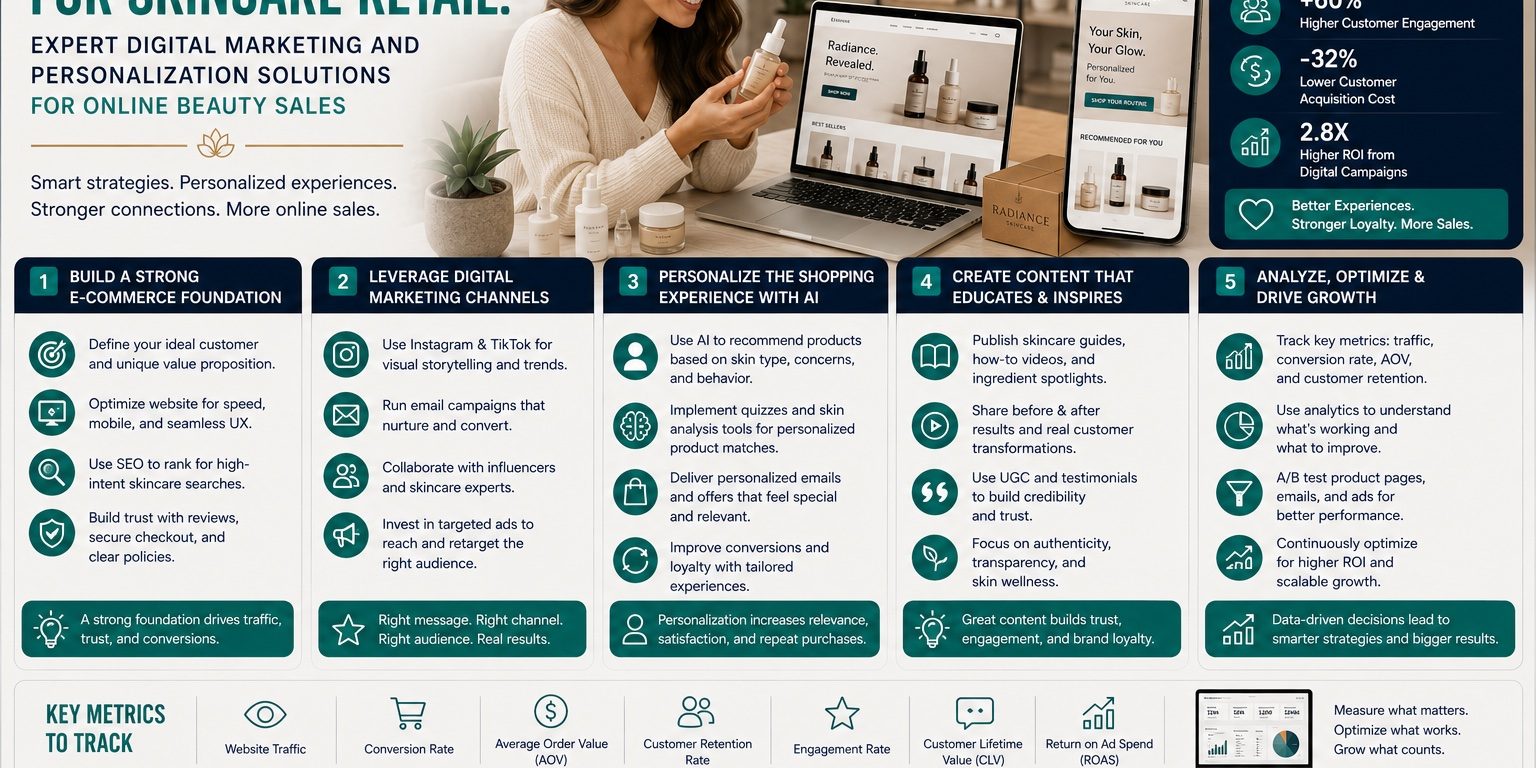
Digital marketing strategies are crucial for skincare retailers to connect with consumers and increase online visibility. Effective tactics encompass various channels and methods that resonate with target audiences, ultimately leading to higher conversion rates. Brands must leverage SEO, content marketing, social media engagement, and analytics to craft a comprehensive digital strategy optimized for beauty ecommerce optimization.
How Does Influencer Marketing Drive Skincare Product Sales?
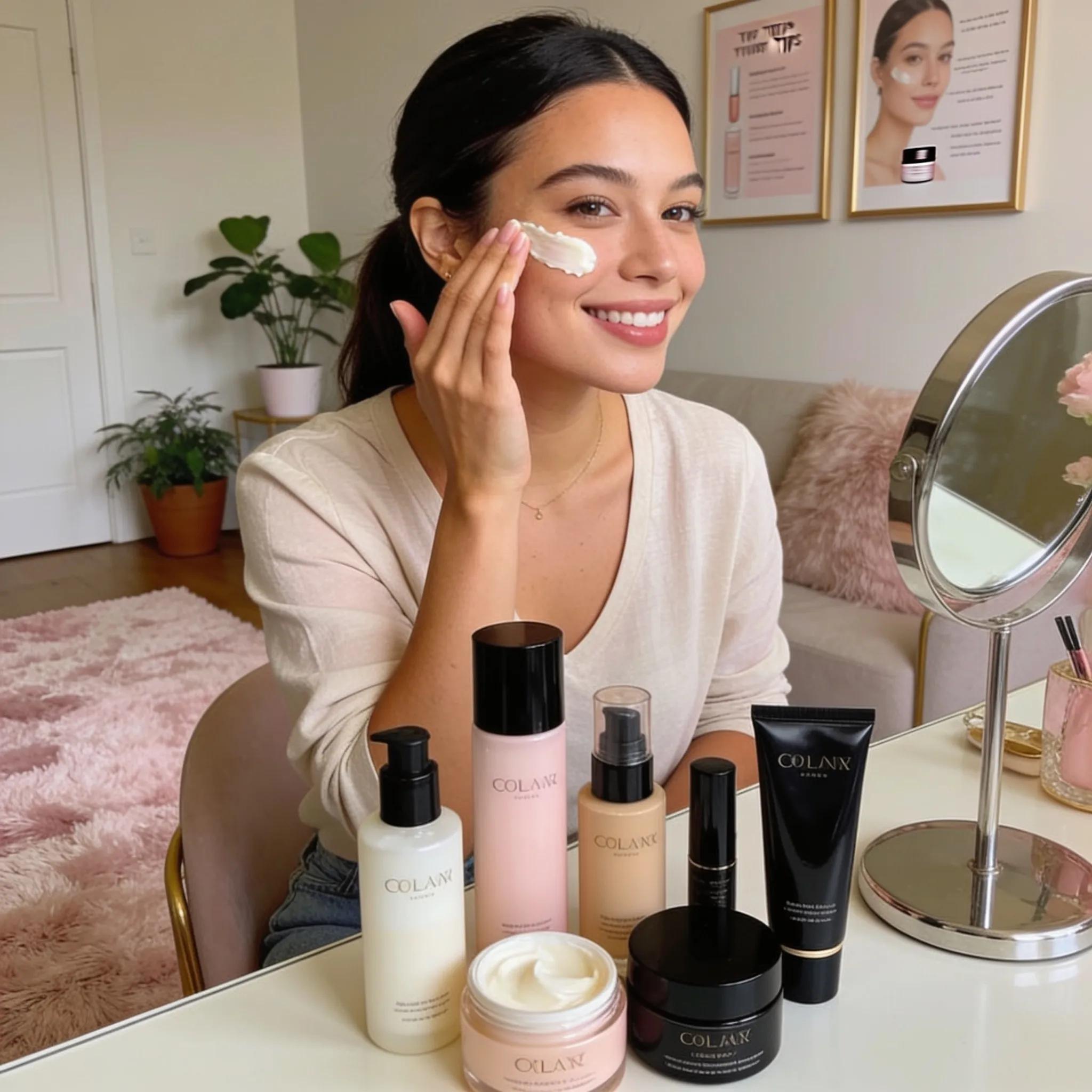
Influencer marketing has emerged as a powerful tool in the skincare industry, significantly impacting product sales. Collaborations with influencers can lead to heightened brand visibility and credibility, as followers often trust the recommendations of personalities they admire.
- Micro-influencers tend to have high engagement rates, making them cost-effective for brands targeting niche demographics.
- A successful influencer campaign can yield a ROI ranging from $5 to $18 for every dollar spent, depending on the execution and alignment with brand values.
Effective influencer partnerships not only drive immediate sales but also foster long-term brand loyalty.
Which Social Media Platforms Optimize Beauty Brand Engagement?
Different social media platforms offer unique advantages for skincare brands aiming to engage with consumers.
- Instagram is essential for showcasing products through visual storytelling, leveraging features such as Stories and IGTV for deeper engagement.
- TikTok has rapidly become a hub for beauty content, providing brands with opportunities to create viral campaigns that captivate younger audiences.
- Facebook remains relevant for community building and targeted advertising, allowing brands to reach diverse consumer segments.
Understanding the specific metrics and demographics for each platform ensures brands can optimize their engagement strategies effectively.
Comparing DTC vs. Omnichannel Retail Channels in Skincare Ecommerce
As part of an effective retail e commerce strategy, understanding distribution channels is vital. Direct-to-consumer (DTC) models offer brands granular control over branding and customer data, while omnichannel retail integrates multiple touchpoints including brick-and-mortar, online marketplaces, and social platforms.
Advantages of DTC Models
- Greater control over customer experience and branding.
- Direct collection of valuable customer data to inform personalization.
- Higher margins by eliminating intermediaries.
Benefits of Omnichannel Retail
- Broader market reach by leveraging multiple platforms.
- Enhanced customer convenience and flexibility.
- Integrated inventory and fulfillment systems improving supply chain efficiency.
Implementing the right balance between DTC and omnichannel approaches supports sustainable growth and increased customer loyalty in skincare ecommerce.
How Can AI-Driven Personalization Enhance Customer Experience in Skincare E-commerce?
AI-driven personalization is transforming the customer experience in skincare e-commerce by enabling brands to deliver tailored recommendations. Through analyzing user behavior and data, companies can enhance interactions and increase customer satisfaction.
What Role Does Behavioral Data Play in Skincare Product Recommendations?
Behavioral data provides invaluable insights into customer preferences, allowing for more accurate product recommendations.
- Types of data include browsing history, purchase patterns, and customer feedback.
- By utilizing this information, brands can increase conversion rates by up to 20% as tailored offerings resonate more with consumers’ needs.
Integrating personalized recommendations not only enhances customer experience but also supports brand loyalty.
How Do AI Algorithms Improve Customer Retention for Beauty Brands?
AI algorithms play a critical role in enhancing customer retention by analyzing buying habits and mapping the customer journey.
- Brands can implement predictive analytics to anticipate purchases, proactively engaging customers with reminders or promotions.
- Success stories from various brands highlight improvements in retention rates of up to 30% through AI-driven insights and targeted marketing efforts.
Investing in AI solutions can significantly streamline the retention process, resulting in cost savings and increased customer lifetime value.
The ability of AI to analyze vast datasets and predict consumer behavior is fundamental to modern e-commerce personalization strategies.
AI’s Impact on E-commerce Customer Personalization Strategies
With the rapid development of digital economy and the in-depth popularization of e-commerce, customer personalization has become a core competitive factor for e-commerce platforms to improve user stickiness and transaction conversion rates. Artificial Intelligence (AI), as a disruptive technological force, is reshaping the theoretical framework and practical path of e-commerce customer personalization strategies with its capabilities of massive data analysis, deep feature mining and intelligent decision-making. This paper explores the multi-dimensional impact of AI on e-commerce customer personalization strategies: first, it analyzes the inherent demand for AI-driven transformation of personalization strategies in the current e-commerce development stage, and sorts out the core AI technologies applied in the field of customer personalization.The Impact of Artificial Intelligence on Customer Personalization Strategies in E-Commerce, 2026
Product Page Conversion Rate Optimization: PDP Architecture, Social Proof, and Before/After Imagery
Optimizing product detail pages (PDP) is critical for maximizing conversions within skincare ecommerce. Key elements include:
- Clear PDP Architecture: Intuitive layout with prominent product images, ingredient details, usage instructions, and customer reviews enhances usability.
- Social Proof: Integrating verified customer reviews, ratings, and testimonials builds trust and authenticity.
- Before/After Imagery: High-quality visuals demonstrating product efficacy provide compelling evidence to potential buyers.
These components collectively bolster customer confidence and increase the likelihood of purchase, contributing to higher conversion rates.
Personalized Skincare Quiz Funnels for Enhanced User Engagement and Sales
Implementing personalized skincare quiz funnels leverages AI to guide customers through tailored product recommendations based on skin type, concerns, and preferences.
- Interactive quizzes collect user data to refine suggestions, improving engagement.
- The funnel approach nurtures customers from awareness to purchase, enhancing conversion efficiency.
- This strategy supports data-driven personalization efforts in beauty ecommerce optimization.
Recurring Subscription Models and Auto-Replenishment in Skincare Ecommerce
Subscription and auto-replenishment models are powerful recurring revenue drivers within retail e commerce strategy frameworks.
- Subscription services deliver personalized skincare products at scheduled intervals, providing customer convenience and consistent usage.
- Auto-replenishment reduces friction in repeat purchases, increasing customer lifetime value.
- These models commonly achieve a 20-30% increase in annual customer spend compared to one-time purchases.
Adopting these approaches fosters loyalty and predictable revenue streams crucial for skincare brands.
Average Order Value (AOV) Bundle Strategies to Maximize Revenue
Strategically offering product bundles enhances average order value by encouraging multi-product purchases.
- Bundles can combine complementary items such as cleansers, serums, and moisturizers tailored to specific skin concerns.
- Offering bundled discounts incentivizes customers to spend more per transaction.
- Effective AOV bundle strategies utilize data insights to personalize offers for distinct consumer segments.
This approach integrates seamlessly with overall beauty ecommerce optimization efforts to drive higher sales and customer satisfaction.
Fulfillment and Inventory Logistics for Sensitive Skincare Formulations
Managing fulfillment and inventory for sensitive skincare products requires specialized logistics planning to maintain product integrity and customer trust.
- Climate-controlled storage and transport ensure formulas remain stable and effective.
- Efficient inventory management systems help prevent stockouts and overstock, supporting optimal supply chain flow.
- Compliance with safety and regulatory standards is critical, particularly for formulations with active ingredients.
Brands investing in logistics infrastructure tailored for sensitive skincare gain a competitive advantage in global skincare ecommerce markets.
What Are the Key Features and Integrations of Leading Skincare E-commerce Platforms?
Selecting the right e-commerce platform is vital for skincare brands aiming to maximize their online potential. Key features play a crucial role in ensuring seamless operations and superior customer experiences, especially regarding beauty ecommerce optimization.
How Do Subscription Models Support Recurring Revenue in Skincare Retail?
Subscription models offer a recurring revenue stream, enhancing customer loyalty and increasing average order value.
- Brands can utilize skincare subscription services that allow customers to receive personalized products at regular intervals, ensuring consistent engagement.
- Financially, these models can see customers spend 20-30% more over the year compared to traditional purchasing methods.
This approach fosters a deeper connection between consumers and brands, promoting product discovery and satisfaction.
Which Platform Integrations Enhance Omnichannel Skincare Sales?
Integrating various platforms supports a holistic approach to customer engagement across multiple channels.
- Key integrations include CRM systems, which enable brands to consolidate customer data for better targeting and personalization.
- Utilizing social media integrations allows for easier product tagging and direct shopping options, increasing conversion opportunities.
These integrations contribute to a seamless shopping experience, encouraging consumer trust and repeat purchases.
Which Customer Retention Techniques Deliver Measurable Results for Skincare Online Brands?
Retaining customers is as important as acquiring new ones. Implementing effective customer retention techniques can yield measurable results over time.
How Do Loyalty Programs Increase Repeat Purchases in Skincare Retail?
Loyalty programs are designed to incentivize repeat purchases among existing customers.
- By offering rewards for purchases, referrals, or social media shares, brands can cultivate customer loyalty.
- Successful loyalty programs can result in affiliation rates upwards of 70%, turning satisfied customers into brand advocates.
This strategy not only strengthens customer relationships but also enhances the overall brand reputation.
What Are Effective Strategies for Personalized Customer Engagement?
Personalized customer engagement strategies are essential in fostering deep connections between the brand and the consumer.
- Techniques include leveraging email marketing to send tailored content based on previous purchases and browsing behavior.
- Engaging with customers through surveys and feedback loops allows brands to refine their offerings and demonstrate commitment to consumer preferences.
Such targeted engagement strategies can significantly enhance customer satisfaction and retention rates.
What Emerging Trends Are Shaping the Future of Skincare E-commerce in 2026?
As the skincare e-commerce landscape evolves, several trends are emerging that will influence consumer behavior and brand strategies in 2026.
How Is Sustainability Influencing Skincare Packaging and Online Retail?
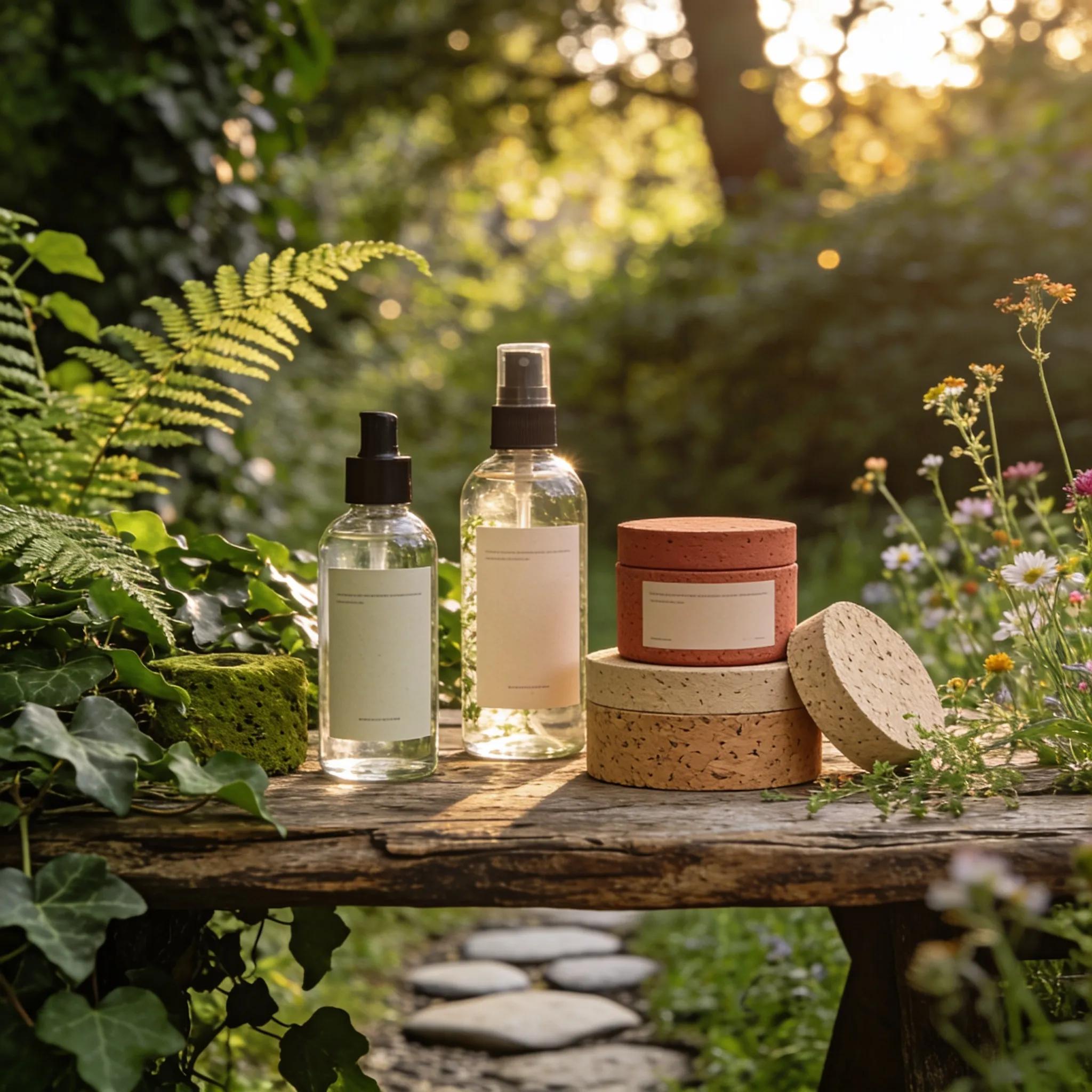
Sustainability is becoming a key consideration in packaging and product offerings. Consumers are increasingly favoring natural skincare products presented in eco-friendly packaging.
- Brands that adopt sustainable practices often see a positive impact on sales, capitalizing on the growing ethical consumer movement.
- By incorporating sustainable materials, brands can reduce their carbon footprint and appeal to eco-conscious consumers, ultimately enhancing brand loyalty.
This shift towards sustainability is not just a trend; it’s a fundamental change in how brands approach their product lifecycle.
What Impact Will Mobile Commerce Have on Beauty Product Sales?
Mobile commerce continues to rise, drastically shaping how skincare products are marketed and sold.
- The number of mobile shopping users is projected to surpass 2.8 billion by 2026, with conversion rates on mobile increasing steadily.
- Brands must optimize their websites for mobile devices, ensuring seamless browsing and purchasing experiences to capture this growing segment.
Failure to adapt to mobile trends could result in lost revenue opportunities as consumers increasingly prefer shopping through their phones.
Investing in these key features and integrations will position skincare brands for thriving success in the ever-evolving e-commerce landscape.