Effective skincare packaging design is a cornerstone for successful packaging for beauty products, combining aesthetic appeal with functional excellence and regulatory compliance. Thoughtful label design skincare not only enhances the visual impact but also ensures transparency and adherence to industry standards. This article explores comprehensive facets of packaging design for skincare lines, detailing sustainable material choices, practical label design tips, regulatory labeling compliance, and luxury branding aesthetics shaping the sector in 2023. Readers will gain in-depth knowledge of how these integrated elements synergize to create standout products that resonate with consumers while fulfilling rigorous guidelines.
Key Takeaways on Skincare Packaging Design and Labeling
- Material Selection: Choosing between glass, plastic, and sustainable materials affects product preservation, brand image, and shelf appeal.
- Functional Packaging Features: Innovations such as child-resistant locks, airtight seals, and UV protection enhance product safety, usability, and longevity.
- Impact of Aesthetic Packaging and Label Design: Visually compelling packaging combined with clear, compliant label design skincare strongly influences consumer purchasing decisions at the point of sale.
- Durability of Packaging Layers: Both primary and secondary packaging must provide strong, reliable protection throughout the product’s lifecycle.
- Regulatory Compliance: Accurate INCI ingredient lists, net quantity, safety warnings, and other labeling elements are essential for FDA and global standards.
- Unboxing Experience: Personalized, premium unboxing elevates brand loyalty and consumer engagement.
- Current Trends: Personalization, smart packaging technologies, and sustainable innovations are setting new benchmarks in skincare packaging design.
Choosing Sustainable and Premium Materials for Skincare Packaging Design
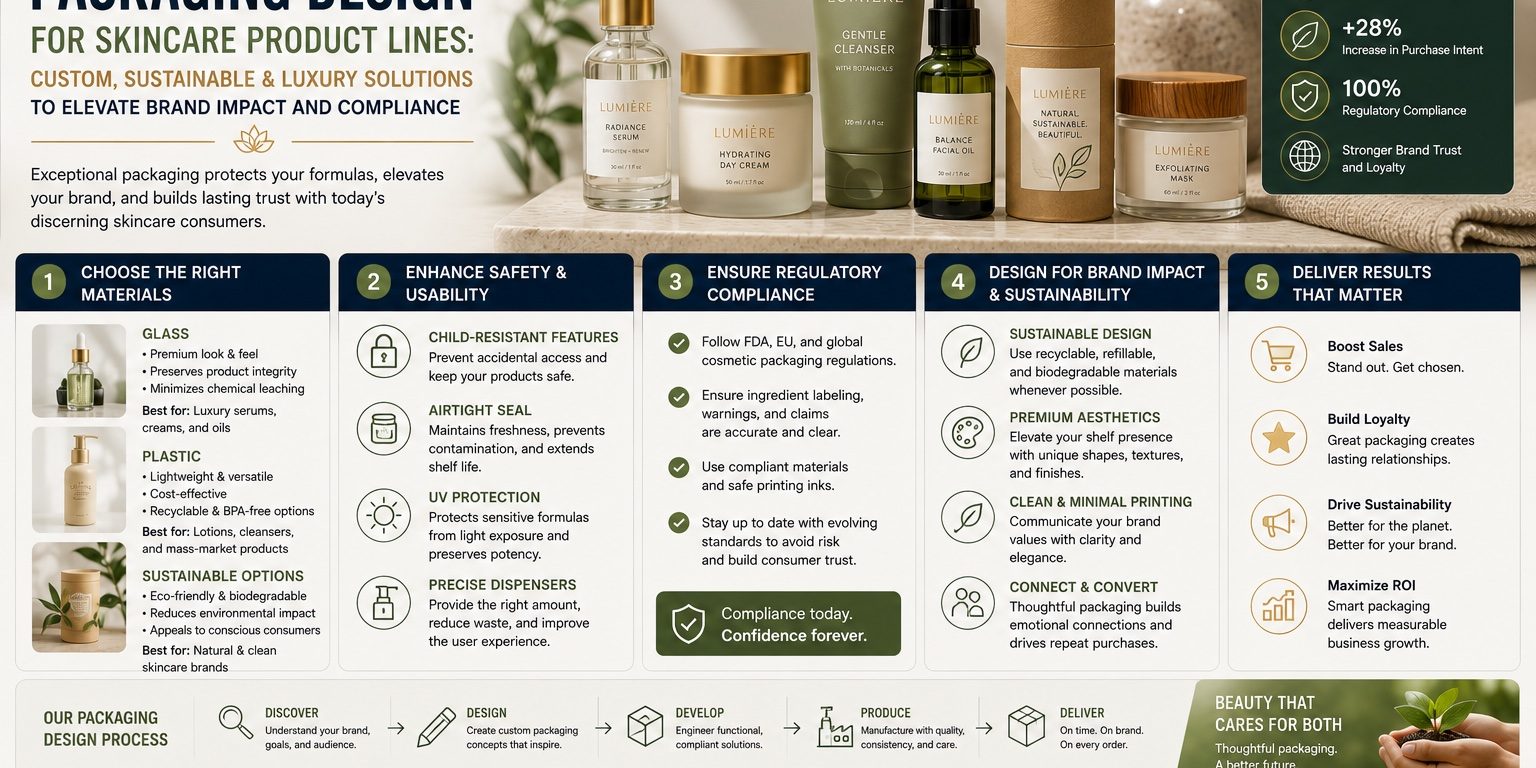
Material choice is central to efficient packaging for beauty products, influencing product integrity, user experience, and brand positioning. The sustainability aspect, coupled with premium aesthetics, drives consumer preference and environmental responsibility. The main materials include:
- Glass: Celebrated for its luxurious feel and excellent product preservation, glass reduces chemical interaction and supports sustainability goals through recyclability, ideal for high-end skincare lines.
- Plastic: Lightweight and adaptable, plastics remain popular but require conscientious selection of recyclable, BPA-free, and eco-friendlier variants to align with evolving sustainability standards.
- Sustainable Materials: The rising demand for eco-conscious packaging has intensified interest in biodegradable plastics, recycled fibers, and renewable resource-based components. These options support brand narratives focused on environmental stewardship and appeal strongly to modern consumers.
Integrating sustainable materials within skincare packaging design enhances brand credibility and addresses consumer demand for responsible products, influencing purchasing intent significantly (source).
Sustainable Packaging’s Impact on Skincare Purchase Decisions Research indicates that sustainable packaging design positively influences millennial consumers’ buying choices, motivating skincare brands to innovate responsible and appealing packaging solutions. Source: Analysis of skincare packaging on consumer purchase decisions, 2021.
Essential Functional Features Enhancing Safety and Usability in Skincare Packaging Design
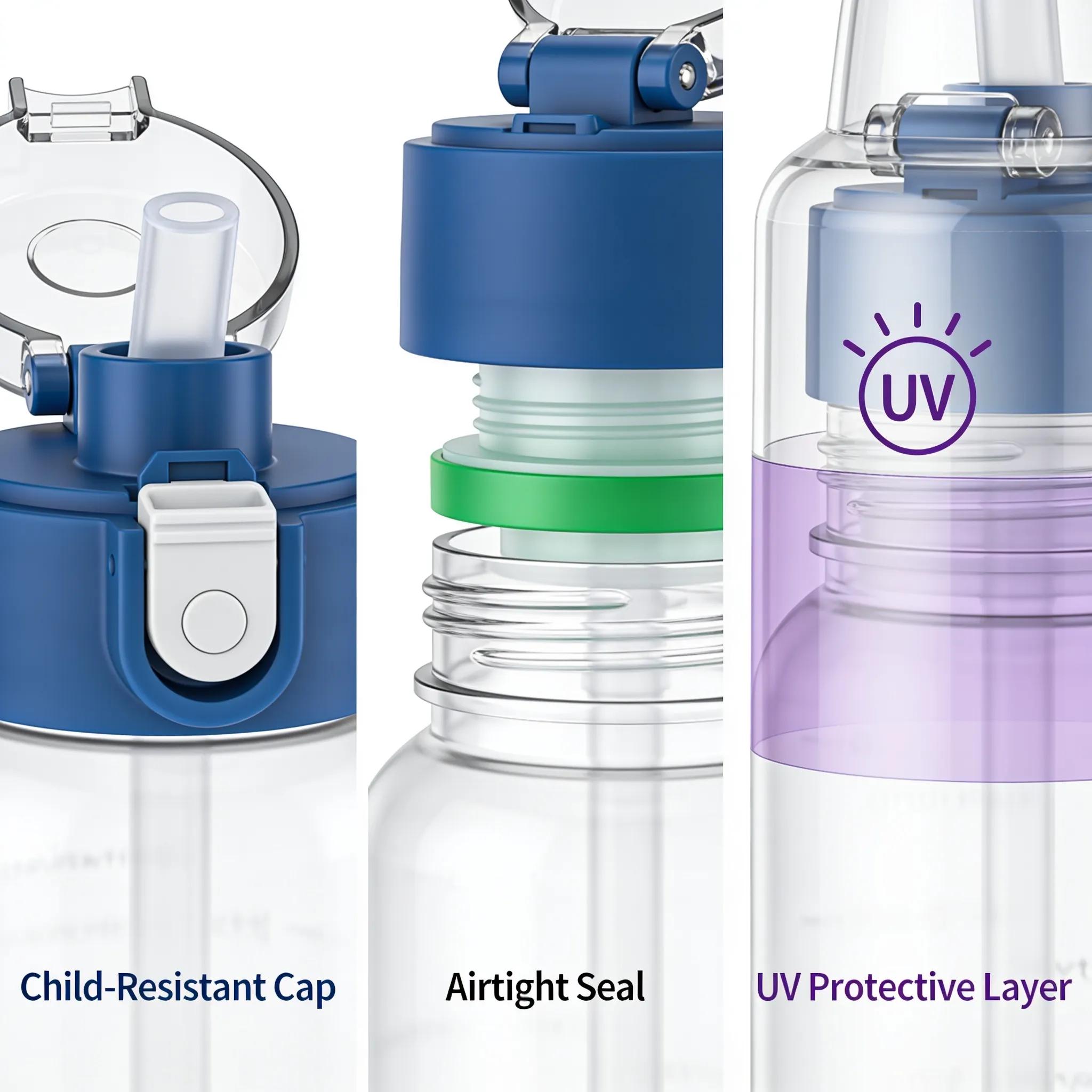
An integral part of advanced skincare packaging design involves incorporating features that safeguard users and maintain product quality. The principal functional elements include:
- Child-Resistant Caps: Critical for potent or sensitive skincare products, these mechanisms prevent unauthorized or accidental access, meeting safety regulations and consumer protection standards.
- Airtight Seals: Preserving product freshness and integrity, airtight seals avert oxidation, contamination, and degradation, essential for maintaining efficacy.
- UV Protective Packaging: Many skincare products contain photosensitive ingredients; packaging designed to block harmful ultraviolet rays extends shelf life and preserves formula potency.
Embedding these features into packaging for beauty products not only enhances safety but also improves customer satisfaction and trust (source).
Packaging Solutions That Integrate Business Priorities
Brands aiming to blend safety with sustainability should consider offering eco-friendly packaging equipped with child-resistant and airtight features. This fusion positions a skincare line distinctively within a competitive market by marrying practical innovation with environmental responsibility.
How Skincare Packaging Design Amplifies Brand Aesthetics, Shelf Appeal, and Consumer Perception
The visual and tactile quality of skincare packaging design profoundly impacts consumers’ perception of luxury, effectiveness, and sustainability. Strategic label design skincare enhances this effect by ensuring clarity, compliance, and visual harmony. Key considerations include:
- Design Elements: The thoughtful use of colors, typography, texture, and shapes crafts moods conveying exclusivity or eco-consciousness. Minimalist palettes and matte finishes tend to evoke luxury, while earthy tones connect with natural skincare values.
- Brand Identity Consistency: Harmonized packaging and label design across product lines reinforce recognition and reliability, creating a cohesive brand story that resonates with target audiences.
- Consumer Aesthetic Preferences: Tailoring packaging to meet preferences for sustainability or opulence ensures greater market relevance and emotional connection, influencing purchase behavior.
These layers in skincare packaging design are pivotal branding tools, steering consumer choices and fortifying brand equity.
Empirical findings confirm that packaging aesthetics and labeling transparency drive approximately 73% of purchase decisions at retail points, underlining the significance of meticulous packaging for beauty products design (D Ramakanth, 2022).
Packaging Design as a Branding Tool in Cosmetics Product packaging attracts consumers, persuades purchase, and communicates brand essence. Strong design and well-executed marketing combine to differentiate brands and embed distinct consumer perceptions.
Distinctive Packaging Solutions Bolstering Luxury Cosmetic Brand Identity
Innovative and unique packaging solutions that echo consumer values and luxury aesthetics help brands stand out. Customization, tactile finishes, and sustainable yet luxurious materials advance brand positioning in a demanding marketplace dominated by conscious consumers.
Ensuring Packaging Durability: Primary and Secondary Packaging Roles in Skincare Product Protection
Dependable, high-quality packaging for beauty products safeguarding product integrity involves:
- Primary Packaging: Direct contact containers like bottles or jars must guarantee product safety, formula stability, convenience, and hygienic use while accommodating detailed and compliant label design skincare elements.
- Secondary Packaging: Protective outer boxes or cartons sustain damage during transit, provide additional branding real estate, and enhance shelf visibility. Durability here is crucial for delivering an undamaged, appealing product experience.
Strategically optimizing both packaging layers maintains product quality from production to consumer, reinforcing brand reliability and satisfaction.
Comprehensive FDA and Regulatory Labeling Requirements in Skincare Packaging Design
Adherence to labeling regulations is mandatory in label design skincare to ensure consumer safety, regulatory compliance, and market trust. Critical components include:
- INCI Ingredient Lists: Standardized ingredient nomenclature must be present on labels, providing transparency about product contents.
- Net Quantity Declarations: Labels must clearly state the amount of product within the container.
- Safety Warnings and Precautions: Required warnings, usage instructions, and allergen information must be prominently displayed according to FDA and regional standards.
In addition to FDA mandates, brands should consider global and regional regulations affecting language, font size, and label placement to ensure full legal compliance and consumer confidence.
Enhancing the Unboxing Experience through Skincare Packaging Design
The unboxing phase is a critical touchpoint where packaging for beauty products crystallizes brand values and shapes emotional connections. Optimizing this experience includes:
- Visual Excellence: Utilizing premium materials, coherent graphics, and refined finishes creates an immediate compelling impression.
- Functional Elegance: Packaging engineered for intuitive opening, protective layering, and clear product information enriches convenience and satisfaction.
- Personalization and Engagement: Tailored touches such as custom notes, special design motifs, or interactive QR codes deepen user engagement and brand affinity.
Immersive and memorable unboxing experiences foster repeat purchases and solidify positive consumer-brand relationships.
Regulatory Standards Governing Cosmetic Packaging and Label Design Skincare
To successfully navigate an evolving regulatory landscape, skincare brands must consider:
- FDA Compliance: States precise criteria for labeling accuracy, safety disclosures, and truthful marketing.
- Sustainability Certifications: Verification by recognized bodies enhances brand reputation among eco-conscious consumers.
- Regional and International Standards: Variability in regulations across jurisdictions demands tailored compliance strategies for labeling, ingredient disclosures, and packaging materials.
Meeting these comprehensive standards protects brand integrity and supports long-term market success.
Emerging Trends and Innovations in Skincare Packaging Design for 2023
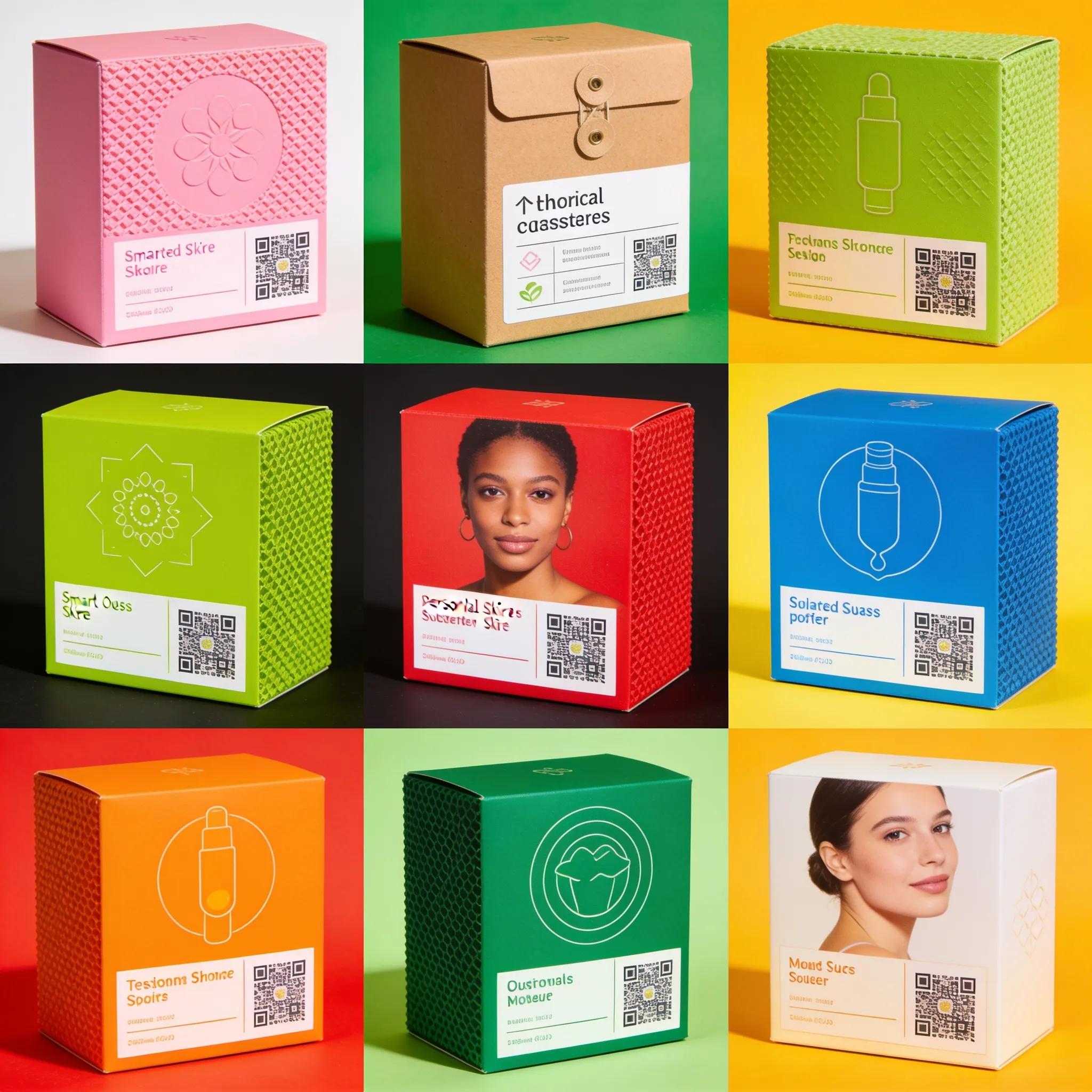
The 2023 landscape for skincare packaging design is increasingly dynamic, with notable trends including:
- Personalization: Customized packaging caters to individual consumer preferences, fostering stronger emotional bonds and differentiation.
- Smart Packaging Technologies: Incorporation of QR codes, NFC chips, and interactive labels enhances consumer education, traceability, and engagement.
- Sustainable Innovations: Use of upcycled materials, water-based and biodegradable inks, and modular designs promoting recyclability align with rising eco-conscious demands.
By embracing these developments, skincare brands can innovate their packaging for beauty products to align with consumer expectations and sustainability imperatives.
This evolution means brands must stay agile and consumer-centric, maximizing impact through innovative materials, smart functionality, and refined aesthetics.
Frequently Asked Questions
What materials are best for sustainable and luxury skincare packaging design?
Glass is preferred for its premium look and chemical stability, plastic offers economical versatility, and sustainable materials such as biodegradable plastics and recycled paper appeal profoundly to environmentally conscious consumers, supporting both sustainability and luxury brand positioning.
Why is incorporating label design skincare important alongside packaging design?
Clear, compliant label design skincare complements packaging aesthetics by providing essential product information, ensuring regulatory adherence, and strengthening consumer trust, all of which significantly influence purchase decisions.
What FDA labeling requirements apply to cosmetic skincare packaging?
Packaging must display standardized INCI ingredient lists, accurate net quantity statements, and necessary warnings, with attention to font size, language, and placement per FDA and regional regulations to ensure full compliance and consumer safety.
How do primary and secondary packaging differ in skincare packaging design?
Primary packaging contains the product directly, safeguarding formula stability and user hygiene, while secondary packaging protects the primary container during shipping and provides an extended branding canvas and shelf appeal enhancement.
Which skincare packaging design trends are shaping the industry?
Personalization, smart interactive packaging, and sustainability-driven innovations such as upcycled materials and eco-friendly inks define current industry trends, influencing brand strategies and consumer expectations.
Conclusion
As Illumination Consulting advises aesthetic brands, skincare packaging design is a critical strategic element — it goes beyond containment to communicate brand identity and ensure regulatory compliance. By integrating sustainable materials, user-centric functional features, expert label design skincare, and luxurious aesthetic presentation, brands can significantly enhance consumer engagement and market success. Staying attuned to evolving trends like personalization, smart technology integration, and environmental responsibility will empower skincare brands to build enduring trust and achieve competitive advantage in 2023 and beyond.