The skincare industry is a dynamic and competitive field, requiring a well-structured approach to product development and market launch. This comprehensive guide will walk you through the essential steps involved in skincare product formulation, regulatory compliance, private label skincare manufacturing, and effective marketing strategies. By understanding these processes, you can navigate the complexities of bringing a skincare product to market successfully. Many entrepreneurs face challenges in ingredient selection, regulatory hurdles, and effective marketing, but with the right knowledge and strategies, these obstacles can be overcome. This article covers the formulation process, regulatory requirements, private label considerations, marketing strategies, and quality assurance measures to ensure product excellence.
What Are the Essential Steps in Skincare Product Development?
The skincare product development journey involves several critical steps that ensure the final product is effective, safe, and appealing to consumers. This process begins with identifying the target market and understanding their needs, followed by selecting appropriate ingredients aligned with the product’s intended benefits and method of formulation. The formulation must also undergo rigorous stability and preservative efficacy testing (PET) to certify long-term safety and effectiveness. These core steps are integral to crafting a successful skin care product ready for market introduction.
How to Select and Source Effective Skincare Ingredients
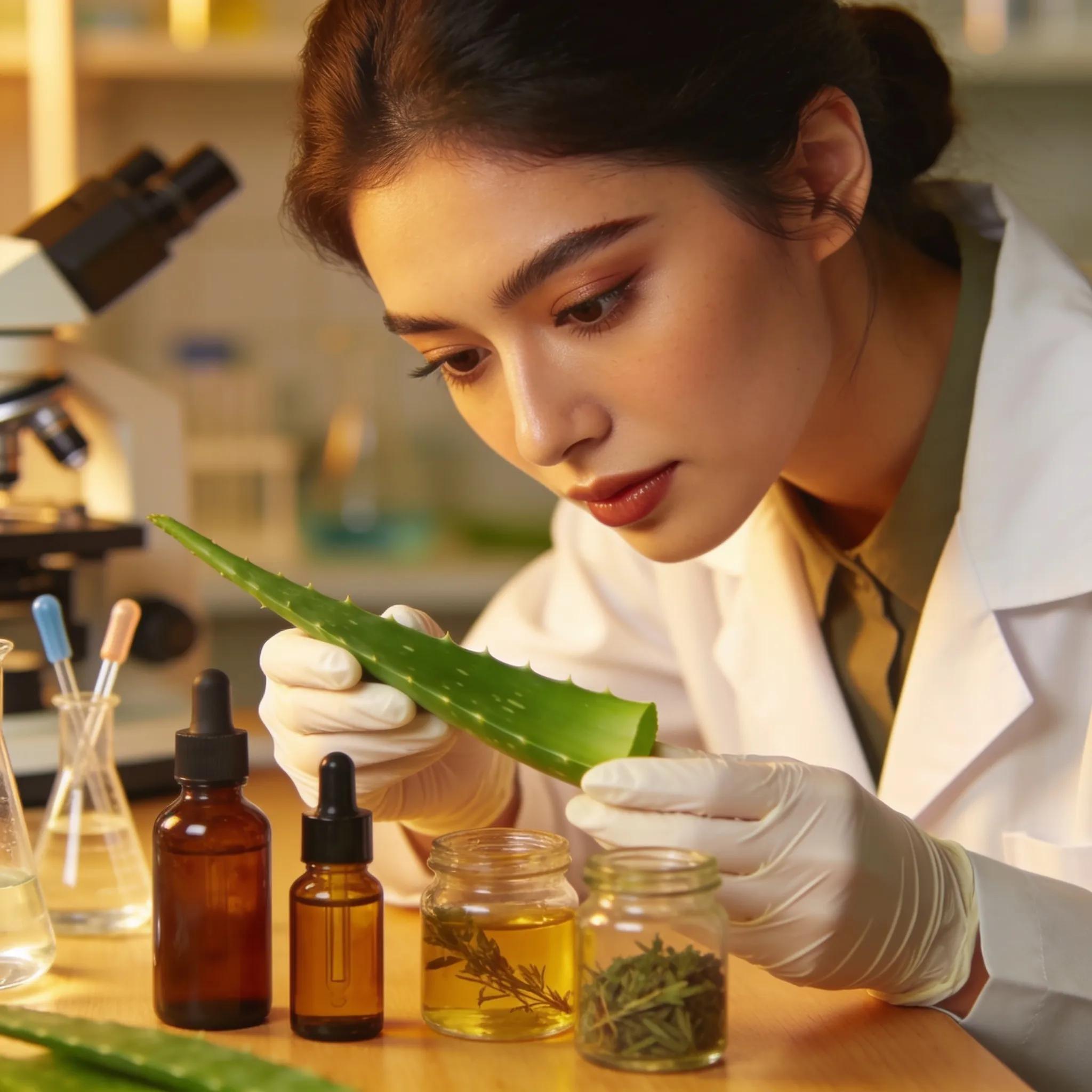
Selecting effective skincare ingredients is fundamental for a successful formulation and brand reputation. Key criteria for ingredient selection include:
- Efficacy: Ingredients should have demonstrated benefits such as moisturizing, anti-aging, or soothing actions.
- Safety: All components must be safe for topical use and comply with regulatory standards.
- Sourcing: Choose sustainable and ethical sourcing to appeal to environmentally conscious consumers.
Work with reputable suppliers offering high-quality raw materials and comprehensive documentation substantiating ingredient safety and efficacy.
Formulation Lab Selection for Optimal Skincare Product Development
Choosing the right formulation lab is a pivotal step in skin care product development. Consider these factors when selecting a lab:
- Expertise: The lab should specialize in skincare formulation with experience handling diverse ingredients and product types.
- Testing Capabilities: Availability of advanced equipment to perform stability and preservative efficacy testing (PET) is essential.
- Regulatory Knowledge: The team should understand compliance requirements for various markets.
- Customization Ability: The lab should offer flexibility for custom formulations rather than just standard recipes.
Best Practices for Stability and Preservative Efficacy Testing (PET)
Ensuring product stability and preservative efficacy is crucial to guarantee safety and performance. Best practices include:
- Stability Testing: Expose formulations to different temperature, humidity, and light conditions to assess shelf life and performance stability.
- Preservative Efficacy Testing (PET): Conduct challenge tests to confirm the preservative system effectively inhibits microbial growth.
- Routine Monitoring: Regular quality checks during production and post-launch to ensure continual compliance and product integrity.
Following these procedures helps prevent product degradation and ensures consumer safety.
How to Navigate Cosmetic Product Regulations for Compliance and Safety?
Navigating cosmetic product regulations is crucial for ensuring compliance and safety in the skincare industry. Understanding the regulatory landscape helps manufacturers avoid costly mistakes and potential product recalls.
Which Certifications and Regulatory Approvals Are Required?
To market skincare products, several certifications and regulatory approvals may be required, including:
- FDA Registration: In the United States, skincare products must comply with FDA regulations, including ingredient safety assessments.
- Cosmetic Product Safety Report (CPSR): Required in the EU to demonstrate product safety for consumers.
- Organic Certification: For products marketed as organic, certification from recognized bodies is essential.
Such certifications enhance product credibility and foster consumer trust.
Regulatory Compliance Filings and Documentation
Proper filings and documentation ensure legal market entry and ongoing compliance. Important components include:
- Ingredient Listings: Submitting full ingredient disclosure per regulatory guidelines.
- Product Safety Assessments: Providing documented evidence of product safety evaluations.
- Labeling Compliance: Ensuring labels meet all required language and warning standards.
- Periodic Renewals and Audits: Keeping registrations current and ready for inspection.
Adhering to these requirements helps avoid regulatory sanctions and builds brand reputation.
How to Implement Quality Assurance and GMP Standards
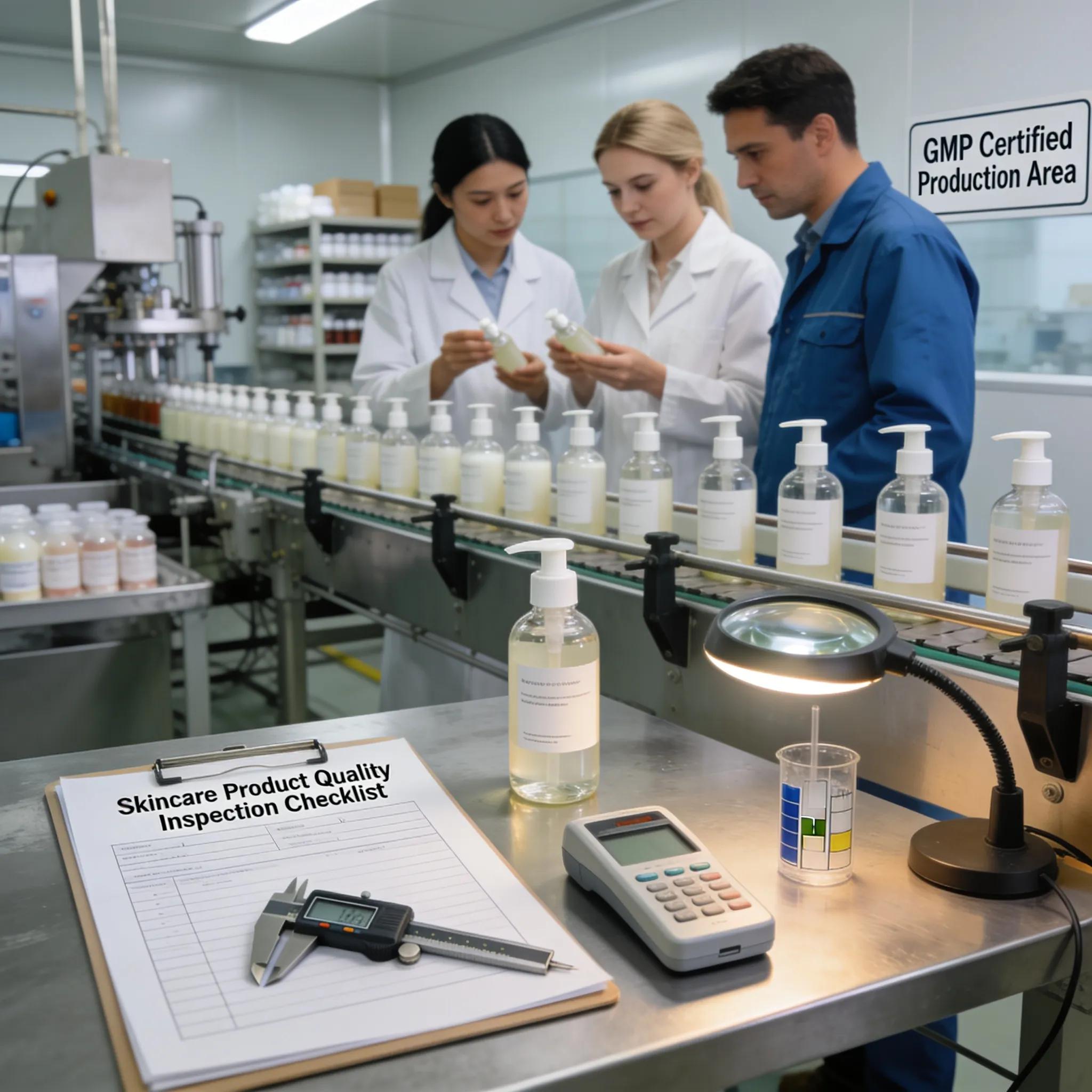
Implementing quality assurance and Good Manufacturing Practices (GMP) is vital for maintaining product quality and safety. Key components include:
- Standard Operating Procedures (SOPs): Develop SOPs for all manufacturing processes to ensure consistency and quality.
- Regular Audits: Conduct internal and external audits to verify compliance with GMP standards.
- Training: Provide ongoing training for staff to ensure they understand and adhere to quality standards.
These measures help in minimizing risks and ensuring that products meet consumer expectations.
What Are the Key Considerations in Private Label Skincare Manufacturing?
Private label skincare manufacturing offers brands a swift route to market by leveraging established manufacturing expertise. Understanding the nuances of private label skincare options helps in selecting the best approach aligned with business goals.
Custom Formulation vs. Turnkey Private Labeling
Brands must decide between custom formulations and turnkey private label skincare products:
- Custom Formulation: Enables unique product creation tailored to brand identity and specific ingredient preferences but requires more development time and higher costs.
- Turnkey Private Label: Involves selecting pre-formulated products with minimal customization, offering quicker time-to-market and lower minimum order quantities (MOQs).
Choosing the right model depends on brand differentiation strategy, budget, and target launch timeline.
Batch Manufacturing Minimum Order Quantities (MOQs)
Understanding batch manufacturing MOQs is essential when working with private label skincare manufacturers:
- MOQs Impact Cost: Larger MOQs can reduce per-unit costs but require higher upfront investment.
- Flexibility Considerations: Some manufacturers offer scalable batch sizes, suitable for startups testing market response.
- Planning for Inventory: Adequate forecasting helps manage inventory to avoid excess stock or stockouts.
Thorough discussion of MOQs with manufacturing partners can optimize production planning and cost-efficiency.
How to Evaluate and Choose Private Label Manufacturing Partners
Choosing the right private label manufacturing partner involves several critical factors:
- Experience and Reputation: Look for manufacturers with proven skincare industry expertise.
- Capabilities: Ensure they can meet formulation and packaging specifications.
- Communication: Clear lines for collaboration and problem-solving are vital.
Selecting a reliable partner can significantly impact product quality and launch success.
What Are Custom Formulation and Packaging Options Available?
Custom formulation and packaging options allow brands to differentiate their products in a crowded market. Considerations include:
- Formulation Flexibility: Work with manufacturers who can accommodate unique ingredient combinations and formulas.
- Packaging Design: Choose packaging reflecting brand identity and appealing to target customers.
- Sustainability: Opt for eco-friendly packaging to attract environmentally conscious consumers.
These options enhance product appeal and marketability.
How to Develop Effective Skincare Product Marketing and Launch Strategies?
Developing effective marketing and launch strategies is crucial for the success of skincare products. A well-planned approach can significantly enhance brand visibility and consumer engagement.
Which Marketing Channels and Tactics Drive Brand Awareness?
Utilizing a mix of marketing channels can maximize brand exposure. Effective channels include:
- Social Media: Platforms like Instagram and TikTok are ideal for showcasing products and engaging with consumers.
- Influencer Partnerships: Collaborating with beauty influencers can enhance credibility and reach a wider audience.
- Content Marketing: Creating informative content, such as blogs and videos, can educate consumers and drive traffic to your website.
These tactics help in building brand awareness and attracting potential customers.
How to Plan a Successful Product Launch and Monitor Market Performance
A successful product launch requires careful planning and execution. Key steps include:
- Pre-Launch Marketing: Generate buzz through teasers and promotional campaigns before the official launch.
- Launch Event: Consider hosting a launch event to create excitement and engage with consumers directly.
- Performance Monitoring: Use analytics tools to track sales, customer feedback, and market trends post-launch.
These strategies ensure a smooth launch and provide insights for future improvements.
What Testing and Quality Assurance Measures Ensure Product Excellence?
Testing and quality assurance are critical components in the skincare product development process. They ensure that products are safe, effective, and meet consumer expectations.
How to Conduct Safety and Efficacy Testing for Skincare Products
Safety and efficacy testing involves several methodologies to validate product claims. Key approaches include:
- Clinical Trials: Conduct trials to assess the product’s effectiveness and safety in real-world conditions.
- Consumer Testing: Gather feedback from potential users to understand their experiences and perceptions.
- Laboratory Testing: Perform microbiological and chemical tests to ensure product safety and stability.
These testing methods provide valuable data to support product claims and enhance consumer trust.
What Are Shelf Life and Stability Management Best Practices
Managing shelf life and stability is essential for ensuring product quality over time. Best practices include:
- Accelerated Stability Testing: Simulate aging conditions to predict product shelf life.
- Proper Storage Conditions: Educate consumers on how to store products to maintain their integrity.
- Regular Quality Checks: Implement routine checks to monitor product quality throughout its lifecycle.
These practices help in maintaining product excellence and consumer satisfaction.